
Insights
The decision that sat for six months
Lack of information was never the problem.
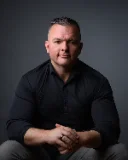 Leo Judkins, Founder, The iGaming Leader
A CEO came to me a few months ago. She was in the middle of a major restructure, juggling the ongoing business, the plans, the pressure.
And she had a decision that had been sitting with her for six months.
As it turned out, the decision wasn't complex. She knew what the right answer was. She just couldn't move on it.
She joined iGaming Leader on a Wednesday. By the following week, the decision was done.
For the first time, she had people around her who had no stake in the outcome. People who had been in the same seat.
She said it herself: it was her decision the whole time, and nothing besides herself was stopping her from taking it.
The group didn't give her the answer. They gave her the space to hear herself think.
A pattern I see in most founders and CEOs
Most founders and CEOs I speak to carry decisions far longer than they should.
The information is usually there. What's missing is a conversation that isn't filtered through someone else's agenda. Their team would freak out. Their investors need certainty. Their family loves them but doesn't fully get it.
So they carry it alone.
I recorded a podcast recently with Andy Koeberl, Co-Founder of Autonomous Minds and board member at BetGames, who has built and turned around several businesses.
He said that being a CEO is a very lonely job, and the best thing you can have is trusted advisors who've been in your shoes. People you can call and say: I have no clue how to handle this, without worrying what they'll think of you for asking.
He also said something that stuck with me: burnout doesn't come from hard work. It comes from emotional stress. And for a founder, that stress comes from carrying the weight without anyone to share it with.
What our NED event revealed
At our NED event, forty founders and CEOs arrived asking how to land their first board seat. Most of them left asking a different question: who's on my board right now?
Not a formal board. Just someone senior enough to challenge you, experienced enough to show you what you can't see yourself, with no agenda of their own.
The real risk isn't in weak teams or flawed strategies. It's in the total lack of structure around the person making the biggest decisions. Nobody exposing the blind spots. Nobody asking the question that changes how you see it.
That's where an advisory role comes in.
A group of peers with the battle scars to prove it, who tell you the truth without an agenda, who ask the questions you haven't thought about, or have been avoiding.
That CEO's decision had been sitting for six months. It took one week with the right people around her.
So who’s on your board right now?