
01 · Watch the episode
The full conversation
Watch on YouTube ↗ — if the embed above says restricted, it's a block on your network/Google Workspace account, not this page.
Or listen on:SpotifyApple Podcasts
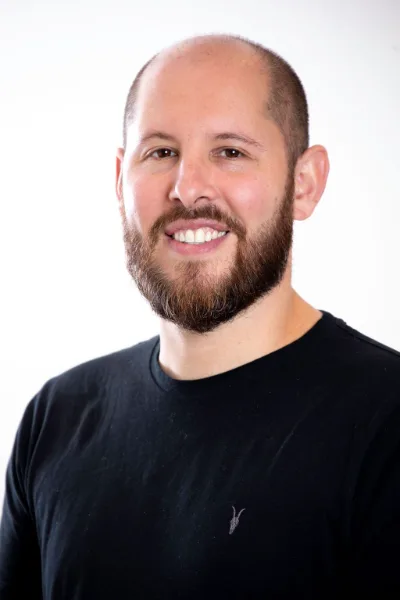
02 · The guest
Daniel Brookes
CEO, BetComply & Rdentify
Daniel Brookes is an experienced business strategist and leader in the iGaming and technology sectors, currently serving as CEO of both BetComply and Rdentify. Known for his expertise in regulatory compliance, operations, and innovative AI-driven player protection solutions, Daniel has been instrumental in scaling businesses and driving growth in complex, regulated markets. He is recognised for his hands-on leadership style, strategic vision, and commitment to fostering collaborative, trust-first company cultures. Daniel’s work focuses on helping operators navigate the challenges of compliance while promoting responsible gaming and customer protection.
Follow Daniel on LinkedIn →03 · Inside this episode
Moments worth queuing up
In their own words
“Lead from the top, not in the weeds. Trust the team to deliver.”
“The only way through it is to breathe through it.”
“Ask better questions: how do we disrupt and make this the best it can be?”
“Don't let anybody tell you to follow your dream if everything is saying no.”
Full transcript
Read the full transcriptHide full transcript
Some leaders are always at the front, always pushing and really kind of loud and busy. That's not me. I like to sit back. I like to grow people, support people. I really give them what they need to be successful. It's very easy to say, "Let go and let other people do the job." But you also need to understand that they're doing a good job. You have to be able to trust that they're delivering. And you have to very quickly get behind those people that have your back, trust your vision, and uh will challenge you, but also do a fantastic job dayto-day. If you choose the
right people, then all of a sudden you feel like everything's amazing. But that's because the people that are supporting you and your supporting are also amazing. The only way you can get through it is to breathe through it. The minute that you plunge into icy cold water, you forget to breathe and you panic and you stress and that that's how you drown. It's really important to be able to control your emotions, to write things down, to talk through things, talk about ideas that works for me, to cool the emotions and make me think more analytically. Then often solutions pop up. I'll be thinking about, okay, well, how
can I turn this into a 5 million, 10 million pound business? How do you disrupt? What are we doing differently? Hey, how do we turn this into a multi-million pound machine uh that prints money? Welcome to the I Gaming Leader podcast where we uncover the human side of some of the most inspirational leaders in our industry. I'm your host Leo Jutkins and as an ex eye gaming director turned performance coach, I've worked with over 200 leaders from companies like Entain, bet365, Flutter and many more to help them build the habits to achieve sustainable high performance. In these episodes, we share exactly what it takes for
you to achieve the same. So, with that being said, let's dive in. Hey everybody, welcome to the i Gaming Leader podcast. I'm here with Daniel Brookes who's either brilliant or completely mad, probably both. Dual founder, hands-on CEO. He runs both BetComply and Rdentify as the CEO and hugely impressive man and very empathetic leader who tends to turn moments of crisis into opportunities for innovation. He's also dad has a strong sense of what it means to balance leadership with his personal life. And yeah, Daniel, thank you for joining. I've been really uh really excited to talk to you today. >> You're welcome. Thanks for having
me. >> I wanted to talk about the first time we met. Actually, that's where I wanted to start. Honolul in Malta and I actually didn't really know what he did, right? because we we just got to talking. But mate, I was super impressed. You clearly super experienced, very good listener, very empathetic, very inspiring, I thought. And that was my first impression of you. But I'm really curious like how how would you describe yourself as a leader? Let's let's start there. >> Would say I'm a for leader. So what do I mean by that? Well, some leaders are always at the front, always pushing and really
kind of loud and busy. Everybody knows who they are, which is fantastic and actually a quintessential leader. That's not me. I'm an introvert, extrovert. I like to sit back. I like to grow people, support people. I I really give them the what they need to to be to be successful. I think in terms of being a leader, it's really important to do everything that everyone else would do, but also know to stop and when to go. So, I try and I I'd say I'm more of a mentor leader than anything else. >> I'd love to dive into that for a sec because I think it's
one of the hardest kind of pivots you make as a founder as well, right? When you So, on the one hand, definitely you need to get your hands dirty. you need to actually understand what the stuff is that that the business needs to go through and what what needs to happen. But then that moment of letting go, right? That's for some people that is so hard. Even if you're mentor type of guy or you're you're really good at delegation, I think just kind of knowing when to pull back and go, "All right, now I kind of and I still stay involved a bit, but I'm
not micromanaging here anymore." is one of the hardest pieces. And how how's that gone for you uh in these businesses and maybe historically through through your career? >> You know, I like to do things and I feel like I can do things quite well. So, I kind of made a step quite a while ago now and it was um ops director to COO and as an ops director, I still was quite hands-on. I was busy and I knew what was going on with all the teams, had my head in all the detail. And I got to COO and I was finding myself doing the same
thing. And I remember having a conversation with here's someone that I really respect. They were like, "Danny, you can't do it. You need to lead from the top. You need to trust the team to be able to deliver." And that's a skill in itself. And it took me a little while to really understand that skill because it's it's difficult. It's very easy to say, "Let go and let other people do the job." But you also need to understand that they're doing a good job. You have to be able to trust that they're delivering. And some people won't deliver for you sometimes. And by stepping back, you
need to be able to quite quickly understand and and trust your gut that they're not delivering just like the ones that are are delivering or have the capability to do. And you have to very quickly get behind those people that have your back like trust your vision and uh will challenge you, but also do a fantastic direct job dayto-day. That's the the skill in it for me. It it's if you choose the right people, then all of a sudden you feel like everything's amazing. But that's because the people that are supporting you and you're supporting are also amazing >> because even if you if you
have the right people very often I I certainly did for very many many many years. I got it my own way where I thought you know I could still do it faster or it's not exactly how I wanted it. And of course, the way it's I want it in my head is not necessarily the best way, but that's kind of how you think about these things, right? So, even if you've got really good people, they're obviously going to do it slightly differently and it's obviously not going to have the same standards. Have you found that as you kind of grew from that director to seale
to founding businesses? H how how's that gone for you? >> It's difficult sometimes because you can go on a journey. So you you provide that trust and people will say to you, well I I really want to do this and I've got this idea or I think we should move in this direction and you go okay and sometimes you can find yourself meandering you know round and round and you know that you could just cut to cut to the point and sometimes you need to so I have got examples you know where where someone's kind of done that meandering journey I've left them to it
and it's taken them a little while but finally they're doing something really good that I might not have got to if they didn't go on that journey. But I also have it quite regularly where they're meandering and it's still my job to say you're, you know, you're meandering. Let me let me talk to you and I'll poke them through it and show them where they need to be and how to get there. And I want to make it clear that if you ask someone about me, they they will say that I'll guide, but they'll also say I'm very straightforward, >> deadly honest with you as
well. like with a member of staff, if there is something that we need to change and there's a direction that we need to get to, it's very clear what where we've got to get to. What's that star that got that that north star that we want to hit? Then we can work through the points to be able to get there. But the best way to do that is obviously for them to feel like that they're engaged in that process and also that they're delivering those steps is to ask the right questions as opposed to demand a solution. It's the hard bit, isn't it? Where sometimes
being too nice or being too polite, like actually doesn't get you anywhere. It just makes the problem bigger. >> Yes. >> I mean, from early on in your career, have you always been like that, Danny? Or is that something that's changed over time that you've or or maybe learned from others in your career that you saw were managing you? How did that form itself? >> Think in my early career, I was managed really badly, but I saw it done badly and these were very lowkey jobs. They were hard work, customer support roles, KYC roles, retail roles, whatever I was doing as as a young man. And
I think as a young person, I was probably had ideas, had thoughts, wanted to do different things. I was very much boxed in and told you do it this way. And it took me a couple of jobs. I mean, I I was I I got fired a few times as a young man before um I realized that to be able to implement ideas and to be thoughtful and to improve things. I just needed to get my head down for a few years and do what I was told, even if it didn't make sense until I climbed the ladder to a point where I can affect
change. So, that really affected my psyche as to how to do things. And it always made me realize, well, I I don't want to be that type of of manager. What I also saw again probably as a mid manager is our CEOs that were extremely forceful and passionate in their vision that brought you along for the ride and you wanted to now there was a very specific journey to to to get to that but you you felt like you belonged in that space and wanted to deliver whatever it is that you know the the board or the business wanted to deliver at that time. those
type of leaders that were very clear in vision and no we're going to do this but he wanted to please they were I guessmemes so medium-sized business that have been funded maybe you know once or twice and really had a mission and those people moved quickly and theyated and they iterated on on on on the business that's how I culturally sell the businesses that I work in now it's speed of operations it's iteration it's being clear with each other while supporting the people in the business that can help it succeed and bringing them with you and eventually, you know, lifting everybody up. But it it's
that message. We don't do things slowly. We're always in startup mode. And yes, we have process. Startup doesn't mean just do anything however you want. It's there's process to getting it done, but we move quickly. We don't have bureaucracy and we push forward and we make mistakes and we learn from the mistakes. the the people that can work in that way are the people that I tend to collect around me. >> Yeah, I really love that Danny because it's such an important piece. Kind of what you're saying there is I think it's very true in operational roles where you're just told what to do and
you just got to do it and that's not motivating at all. Right. The the motivation comes from understanding why you're doing something and how that actually contributes to the bigger piece, right? Which is the like the vision, whatever that is. So yeah. So so so you're talking about uh kind of having people around you. You've been working with uh several people for you know for some time. The thing that struck me the most is like I speak to a lot of founders and you know founding a business is just that that's a whole different world of pain, right? something that most people never come to
realize, but it's it's a it's a whirlwind of emotion and sort of ups and downs of you know like catastrophing like all these crazy things that you don't even think about beforehand. You've done it twice at the same time more or less, right? So you're in the middle of two two startups like that's that's just a next level crazy in my mind. So how what what happened there and how like how did you get to to this point where you >> the buses came at the same time >> right >> so I've been plering around with Rdentify for a while I knew to find find
a core purpose for an idea that I thought was great and initially that that that took me on a journey so initially before the kind of AI NLP wave the recent one with large language models I was trying to look at language and using natural language processing or ways to understand what people were saying in conversations. And over the years, you know, that's taken me on a few different kind of journeys um and opportunities, which has allowed us to expand. And I've got to a position with that business where it isn't a huge business, but it's it's successful and it generates income and have a
very strong team within it, people that I I trust. Yeah. And that's allowed me to focus on on vision and be able to say, well, actually, we're in stealth mode right now, a little to be honest, where we're building something. We're still providing our services and we're releasing it. But I know that's on that's go that's ongoing. I know what I need to do there to make it successful. And that isn't me sitting in front of my computer for 9 hours a day. It's talking to the people and allowing people to know what they're doing to to build and to develop what it needs to
do. And um one day I was at um one of the events might have been SBC and I got approached by two industry professionals that I know very well Mike Degraphth and Martin Hodges and they told me about what they wanted to do in terms of consultancy in in compliance and how they wanted to be built on trust and integrity and how in the industry we're compliance businesses but sometimes they feel that that is lacking and they wanted to do something different in the case uh I was instantly bought into that that message. So it was more of a case of okay well how can
I help structure strategy you know direction but again I've got Mike Degraphth and and Martin Hodgeges and L the ops director there working in that business okay they are highly competent people you know um and what they need from me is someone that they can talk to discuss their ideas with brainstorm um and develop it and and sometimes to say no let's do something different or actually yeah guys you really going the right direction. Carry on. Everything's fine. So, I'm not in the m I'm see I'm CEO of those businesses, but I see myself more as a director in those businesses, mentoring and providing support
for the team that I've built to deliver. And that's a model that you can repeat. That that isn't me stuck in the mud with my head spinning all the time. Sometimes it does. And every business has its moments. and and you hope that you don't get too busy moment time. Ultimately, these are scalable things and I'm I'm always looking for people that I want to work with that have an idea that I can support, especially where they've come from, right? Their background, which we won't talk about, but like I can see how that um has turned into something where they want to be the opposite
of that. And that really aligns with your values as well. So, that makes makes a lot of sense. And but I'm sure like even if you're not stuck in the mud, you're not involved like I don't know whatever funding, cash flow, like all of those things, right? They they weigh heavy heavy on us. So I mean what what what have been some of the most more difficult moments that you've had where maybe two things happened at the same time in two different businesses with, you know, two different groups of people. What what what was some of the challenges that you faced there? Don't get me
wrong, I talk about not being stuck in the mud, but um there's been many nights where I've woken up at 2:00 in the morning with my head spent thinking about all the different things that we need to juggle in the different business. You know, I've had days where I've sat there and I've not really achieved much because I'm full of thoughts and worries um and stuff like that. I've had times where, you know, cash flow has been tight and I've had to raise money very quickly, you know, to pay staff in different businesses. I've had times where I've had what I thought was a large
client who invested a lot of money into them into building a product to recuperate that who've last minute let me down. You know, all all of these things have happened which we all know like as a small business you spend a lot of time working on things and trying to develop um solutions and as a small business larger business often forget the net effect of them not paying an invoice or um not renewing an agreement last minute without too many reasons. How what that causes to a business and the only way you can get through it. you mentioned to me at the beginning that you
boxed a little bit. One of the events is is to breathe through it. Um the minute that you to use another analogy, plunge into icy cold water, you forget to breathe and you panic and you stress and that that's how you drown. Um it's really important to be able to control your emotions. Um take a pen and paper sometimes. Um to write things down, to talk through things, talk about ideas. Sometimes they can be completely wrong with people at those moments. And that uh works for me to cool the emotions and make me think more analytically. And when what you are thinking analytically and you're
considering then often solutions pop up because that's the thing, isn't it? Especially if it's a when it's a small business and it's yours, you've emotionally invested so much into it, then any sort of business decisions by others like almost affect well not almost they affect you personally, right? and outside of the emotion and then if it if it also has financial consequences then the burden is on your shoulders for how that might affect the business and everybody who works in there who you've brought on your journey that you're now responsible for. So um so I love what you're saying. I was I was talking to
um Max Meltzer on podcast yesterday and and we're talking about the same thing journaling and uh and how he's used that. Is that is that that c that as a coping mechanism Danny? Is that something that you've kind of discovered out of nowhere? Were you initially struggling with kind of how to let go of the stuff that perhaps you couldn't talk to anybody else about in the business? How um how did that kind of happen? I >> think as a young man I used to write a little bit and I don't think I realized it at the time. I used to have it was one
of the first mobile allowed you to to write nicely. I don't think I realized it at the time but I think even then it was a coping mechanism, a way to express. Yeah. Um, so I think I've always done it a little bit and I always found even when I was studying, I'd always write everything down and that's how I memorized things and thought about things. So it's something that I've always done, but maybe it's become a little bit more thoughtful as times progressed. So yeah, just just write writing down um what it is that you're trying to achieve, what's happened and and breaking it
down allows me to fully comprehend what it is that that I'm trying to achieve. I also I I love technology, so I also use um AI for that. So creating like um private specific GPTs where I can have a back and forth with someone that isn't human where I can kind of consider my ideas, think through them, and just almost rationalize what I'm I'm I'm trying to achieve. So yeah, for me that that's important. And I'm probably someone that for all my talk about other people and bringing other people on, I'm not always the most open. You know, I can easily close down. and uh
compartmentalize things internally and I might say well that's that's to help others around me you know my my partner and my children don't want to know about my struggles in the workplace if there is a struggle you know they want to know about my joys in the workplace they want to see me help so that um natural tendency to push things down writing and that that that's a channel isn't it to to that and um get that out >> super important I think it's I mean it's certainly something that most um CEOs uh founders are stuck with any level really. You know the stuff that
you can't really talk cash flow is a great example, right? If there's cash flow issues, who who you going to talk to? Not your not your wife. You probably heard you speak about it. Speak about the business too much already. Uh not your friends, don't own a business, don't get it. Certainly not your employees because they're going to freak out that they're going to lose their job. So, so where do you leave that? So, journaling is one one thing. Are there any other things that you do to kind of people that you talk to or things that you do to help you with um opening
up when your tendency is to close down? >> It's less about opening up and more about taking myself out of the situation. I go for walks. So, I've got a beautiful lab German Shepherd and you know I if if I'm overthinking or need some space, I I'll go out for a long walk time and um try and switch off. But also since I've just moved through the issues in a different environment, you know, I love working from um this ability to be able to work from home or the office, you know, get so many benefits from being in different environments. I think though sometimes you
can get stuck in a certain place that can be just as easy to hide your desk in an office out as in in your your your office and home at home in in in the spare room. But I I just think that there's this tendency to really get tunnel vision by being in one place for too long. So, you know, if anyone ever says to me, "Oh, yeah, I'm just going for a walk and I'm having taking my meeting at the same time." Like, I I would say absolutely gives you that ability to consider things in a different way. >> Yeah, it's what we did
here in Jib as well, right? Just meeting in a coffee shop. It's nice and easy. Takes us away from the office. I think it's um yeah, it's really powerful. Hey, we talked about some of the challenges. Um let's talk about the opposite part of that like and maybe actually maybe it's the same thing. I don't know what are some of the what is what what's your proudest moment? What's something that you've really proud of? Maybe not necessarily with these business could be but just throughout your career. What's the what's the moment when you think back that's made really proud? What's what's that specific moment for
you? >> There's been the moment where I felt a freedom to be able to act. So when I wasn't really tired from my 9 to5 job and I had the opportunity to be able to build and develop things that that was a kind of eureka moment for me. allowed me to really focus on on what I was passionate about. So that's been massive. more recently comply it's we had certain KPIs certain customers that we wanted to bring in certain revenue figures that we wanted to bring in and basically seeing the speed and execution of that that that's been that that's that's been electric for me
and it identify it's seen people coming through the ranks like Daisy won't appreciate me saying this but it's seeing someone coming in on a bisdev kind of um level and uh building um their own kind of identity and business and I spoke about that meandering journey which took a long time earlier on and then finally kind of starting to get to a point where yeah this is an excellent idea. So watching people uh starting to really deliver like that you know and starting to really bring in their own revenue has been fantastic. I I I'm someone like I love to get that big deal. Don't
get me like I really love to get that big deal. But the the kind of fireworks for me is when we kind of achieved this this vision and people are all bought into it and we're all talking around the table and everybody's kind of aligned and we know we're doing well and you know we're having that that congratulatory beer and say you know well done. We're going in the right direction. They're the the moments that really stick in my mind. >> It makes so much sense. It's never the finish line, right? It's kind of the the journey. needs to run itself. >> Yeah. Yeah. It's
really true. >> Amazing. Makes a lot of sense. And it's it's cool that you're like your proudest moments are all in in the people. So So when you like one of the things you mentioned before is uh is that you made some really strong decisions under financial pressure and you know the financial pressures especially in a startup any founder will know how hard that is. So tell me a bit little bit more about those moments where you know you genuinely thought like one or maybe even both businesses might not survive and how did you deal with it? But I've had moments where I've been like, "Okay, well
cash is coming in in a week's time and I've got to pay the bills this week, you know, so have like a shortfall or cap for instance." And those moments are very scary because I think at the back of your mind, you know that you're going to get through it, you know, solutions. But it's um it's really finding those those those solutions. And there's been times where I've been down the wrong path. I think I was doing a round table about this and I was talking about how with Rdentify for example I had this idea that people operators in our industry would want to be
able to identify customer vulnerability in conversations especially in regulated markets. Um, all the initial feedback I got from that was like, "Yeah, that sounds amazing. That's really interesting." But ultimately, no one really wants to put it their hand in the pocket when it comes down to the decision to be able to find that out and to be able to do that because there's other uses for that cash. And these are mistakes that you make, big mistakes, because you have a whole R&D team building that out, you know, data scientists building that out. And you can see little old me in the front talking to people
about it, but they've got no there's people working on those things. And even if it's a team of five to 10, they're on 60 grand each, you know, there's a there's a burn rate there, right? There's a runway that you that you so kind of is I find going through that and then getting to position where you're like actually, you know what, we're not getting traction here. We need to pivot, you know, different. That's a very hard decision. It's extremely brave to be able to do it, able to go, okay, no, this whole brainchild that you've done, this vision that you sold everybody else on
me is it obviously raised capital and different things. So then going back and going, okay, well no, I need to change that. I needed to go in a different direction. It's still going to work, but we're going to utilize it differently. Is um really difficult and really brave. And people talk to me about that a lot and they come up to me and they they tell me about these these things and kind of like how they're making decisions I well it's not quite worked out and and how to change that. In businesses you call it change management but before you can do change management and
you can pivot you have to change yourself. It's obviously something that you know a lot about in terms of what you do with your coaching. Yeah. And for me, knowing and and realizing that a change was needed, that was probably more difficult for me as a process than having to find an extra 2030,000 because we've got two weeks of uh before our next payment comes in because that mindset change. >> Yeah, it's so difficult, right? I had um you know, Vladimir from Gazan Ganada Investment, he I had him on the podcast and he was talking about how important it is just to get dollars through
the door. just it doesn't even matter how much it is just get someone to pay for the idea that you think is great because just like you said said Danny right people will tell you amazing idea amazing idea but unless the hand actually goes into the pocket it doesn't matter right but I'd also like to talk about the opposite side of that I believe that often as a small business one of the disadvantages is that you can actually pivot so quickly and let me just really explain that real quick in you're in a large business, right? Like the business going to stay you're going to
stay a sports book forever, right? You're not going to all of a sudden become, I don't know, like a telecom operator or something. In a small business, the opposite, right? You're like a speedboat instead of an oil oil tanker. You can you can pivot like that. But it also means that a lot of founders, they don't stay the journey for long enough to actually be known for the thing that they're going to be doing or the service that they're going to be delivering. So, how do you balance that in in an example like you've just had, right, where you've got this sunk cost fallacy, right? You've
got all this sunk cost that you that you've already put in. There's a lot of opportunity cost there that you still think about. When is the decision enough is enough and now we've got to pivot. >> Let me unpack it because there's a few there's a few different things that you said there. Okay. So, I think the first thing is at the beginning of the question, you you noted that a larger entity, you want to move from being a sports book to a telecom provider. I don't think you do that as a as a startup or anme either. So when developing I used the example
before of Rdentify and I talked about customer vulnerability. When I developed that what was I developing? Well I was developing a really amazing way to analyze conversational data right that that's what I was doing. Um I was using specific tools to be able to do that in a way that allowed me to to scale it. I was building a front end that provided data and analysis and interesting stuff. We do a lot of like for account managers and customer support, we do a lot of analysis of the agents and the account managers and how they're performing and what the customer cares about and stuff. So
when I moved into that, I wasn't completely rebuilding. I was building building different data models in the background and I was creating new endpoints into my front end uh to provide that. So it it was a a change of direction but not a change of the business's identity is still core to it. It's ident it's it's it's data it's conversations and I would rather look at when you say about how you kind of present that to your to your customers so so they can see that you know that can be difficult and obviously that comes through communication and really excellent marketing but with me I
think it's more interesting to look at the different businesses so how can Daniel Brookes do all these different things you must be spinning a lot of plates you know And if you spin a lot of plates, you drop, right? You know, how how can be um doing all these these things. That's the the the interesting part about how you explain that to people and how you get that across. I'm a founder. That that that that's what I am. Uh I'm a master at understanding opportunity and what people need to be successful. I'm very good at understanding how my skill set can help someone else be
successful and knowing where they're what what they do well. Okay. And by doing that, this isn't the Daniel Brookes show. You know, none of my businesses are are about my face and and me, but ultimately I'm allowing other people to be successful because I'm good at understanding how to make things happen. That that that's really the message. If it was a business, I'd be looking to put across. So, whatever it is that's your ecore skill, you focus in on that and make sure people understand, ah, if I need this skill, I go there. If they need this, go to this place. >> It's about creating
the environment, the surface area for it, right? The contact area for it. And um yeah, you're right. It's not a full pivot. It's still within that same service. So, hey, so great example uh there there, Danny. you've um one of the things uh I wrote down here is uh that you've written that AI can't replace a fantastic agent which I think is such a like a really interesting an interesting concept. You know, you you're in a business that provides AIdriven player protection solutions. Where do you see that where kind of the one one area ends and the other starts? because I think that that gray
area is where a lot of people kind of feel very unclear on on where the handover is if you will. >> So things will change super quickly. If you look at the history of technology in the last 30 40 years if you think about the dot revolution uh can you imagine you know not having your phone or not having the internet now to be able to work like that sounds insane. But when these ideas came through, everyone was very scared about losing their jobs and very scared about the new technology and what that might mean to them. But if you look at the numbers and
the statistics that happened to happen, but the amount of jobs that have been created through new technology far away is the ones that most and we're going through a new type of revolution now with um with AI and we're going to go on a very similar journey where things that we can't comprehend now will become bailable very soon. I think it was Ellen Mosque who was talking about his GRO and how GRO his newest iteration is thinking at the same level better than a PhD student with someone who or someone who's got a PhD even and he's not using it reading between the line be
able to allow for you and I to be able to have good like you know conversations. He's using it to be able to for it to detect new technology and new opportunities and things that we haven't yet opens up a crazy world. So getting back to the the point about how we use um AI today, we use it as an assistant. So it's an assist tool. So it can think quicker than us. It can pull data quicker than us. And it's amazing for that. And we should use that I do dayto-day to be able to give us a base to give us information that we
wouldn't have been able to do, would have taken us time to be able to do. and for us as humans, as managers to to look at that data and analyze it and make decisions from it. So in the world of customer support, yes, we have bots and the bots are very good and they can even plug into your back end and pull information like they do that. But ultimately that bot can't answer anything. So knowing when the handoff should go over to that person who's way very well trained, who can look at that conversation, pull all that information straight away because that's already been done
and then make a decision. That's still what human beings are for and will be for for quite some time. Yeah, >> makes a lot of sense. It's like an escalation funnel almost, right? Filter funnel. Hey, one of one of the things that uh you spoke about before this question was how you're great at identifying opportunities, creating the creating the right environment for it, spotting it, enabling people to then take take that opportunity by the horns and and and run with it, right? How do you do that when something goes wrong? How do you deal with that? Like who do you who do you call? Um
who do you lean on for advice? How like do you have mentors in your environment where you feel I need to talk this through before it actually materializes? How how do you go through that? >> Absolutely. You need and if you don't have a mentor or a coach, I'd very much recommend that you find someone um who can who you can speak to. So I've got um couple I've got Warren Jacobs who I set up a couple of businesses with. Um it's been very successful, has a completely different way of thinking to me. We work well together, but we're not alike. So, he always has
a different way of thinking and doing things. And you know, I like that he does the same. You call me, we can have good conversations about things. Um, there's a gentleman Vicash MBE who, you know, if some of the stuff he's done, he's a serial entrepreneur. He also does a lot of interviewing very famous people about very interesting subjects. And he's one of those people. Do you have conversations with someone where you're just like, "Ah, I never thought of that. I have no idea." It just makes you feel a little bit like a light going off, but also a little bit like, "Wow, how did
you think of that and I didn't?" He's one of them. Basically, you'll say something to him, "Have you thought of this?" And he'll come up with ideas and concepts or he can introduce you to the right person. And both of these people you can talk through things with, know that it's not going to go anywhere. know that when you maybe say something out of turn that you shouldn't have said, they're not going to judge you for it and give you time to come down and and and do that. So, yeah, having people around me like that is um is key because there's not many people
where you could when you've had a really bad day in the office, you can really call up and won't either judge you silently or almost use it again like use it, you know, uh even if they don't mean to. So yeah, having those is amazing. >> How did you find them? Like for anybody maybe listening going I need I would love a mentor as well. How did how did that how did it materialize for you? >> So Warren was my boss. So in a company and I was working there and it kind of they quickly escalated to us doing business together. Now we do separate
things. So we have control of different businesses but he focuses in one area, I focus somewhere else. So there's um a collection of interests. Um yeah and I think uh Vicass um is an organization called Thai Tie. It's a collection of um entrepreneurs around the world and I think I went to one of their events and I met him there. Um and yeah, he's part of our kind of core group of people now. He's the chairman of Rdentify. >> Such an important thing to do to be able to to lean on experience and stuff that you can't see yourself, right? Sometimes we I always say
we're kind of stuck in our own bottle. we can't can't read the label sitting on the inside, right? So, so what are some things about your leadership that they see that you didn't see before? Do you have uh do you have examples of that? Uh things that you know areas that you hadn't hadn't thought about on how you perhaps lead or perhaps decisions that you make? >> Yeah, I I think that they would say that um I can move very quickly as that's a key skill for me and something that's very been good in the past. Sometimes they uh encourage me to be thought for
a little bit older than I am and and really and consider um and consider uh some of those things. I think Warren's he's a people person in a different way to I am to what I am. I'm a people person as in like I build very strong relationships with core people a core group of people that I want to work with that I want to be you know outside of work I want to be friends with that you know and they become people that I very rarely let go of isn't very good at fostering um those kind of relationships as well of course but commercial
relationships long-term day in dayout relationships like with clients and bests whoever that might be. And he's helped me a lot to develop that skill, which is it's slightly it's slightly different, you know, and um that's been something that I've had work on. Um it's not always been the quickest and easiest for me. So, he's been really good like that. And yeah, with Vicass, he's visionary. Um so, I'll be thinking about, okay, well, how can I turn this into a what's you know, 5 million, 10 million pound business? I think that's really good, right? That at some point turned to be to me aspirational. He's more
about how do you disrupt? What are we doing differently? Hey, how do we turn this into, you know, a multi-million pound machine uh that prints money and you know and and he's really like so so it's not just about what's your differentiator in your area. It's about really like look at your whole town here and how do you disrupt you know what already exists? It's it's a completely different way of thinking for you know and and that's that's something that I learned a lot of from him. So all my ideas now, all the things I work on, sometimes I can drive the team crazy because
okay, we can we we we're doing well in one area, but I'm instantly thinking about how do we grow that? What can we do differently? What other markets are that, you know, how do we turn this into the absolute best it can possibly be? >> So difficult to do it by yourself, right? Unless you actually have to answer that question that somebody asks you. How do we kind of grant Cardone? How do we 10x this? you know, it's it's very difficult to um to answer that. What about your your personal life, your well-being, your b balance in life? I mean, there's so much demands on
your time and uh you've got a family as well. Have you found that over time? Is that something that you've learned to prioritize more? Is something you have to sacrifice over time? How not only family but also your own wellbeing, your health, you know, taking care of yourself? How how's that gone? It's something that I see a lot of founders struggle with. So, I'd love to hear your take on it. In recent years, I've prioritized it a lot. So, what >> So, it's it's also understanding what you need. So, for me, um I was um maybe pleasing and trying to make everybody happy like constantly. In
a home environment, you need someone that's going to make you happy, make you comfortable as well as much as you make them comfortable. I think having that first of all helps a lot because it's some really you kind of rely on. I spend a lot of time with my kids. I find being with them relieves the stress of work. So, yes, it's tiring with them when they're jumping on you at 6:30 in the morning. You know, no, I don't want to go swimming at 10:00 a.m., you know, on on a Saturday sometimes, but works for me as a way of relieving stress, day-to-day stress from
from work and gives me an outlet, which which I really enjoy. So, people ask me all the time like I get it a lot where they're like, oh yeah, thinking about taking holidays, okay? And even from like really seeing new people and like why are you even like looking at like you're guilty for that be proud to take a holiday you know you've earned it go and have some fun spend time with your family you come back stronger so for me know I I do try and have a work life balance I work hard and if you ask my partner she'd say to you that
yeah Danny's on his phone a lot at night time when I'm watching when we're watching TV okay I am majorly got stuff to do but I do prioritize u being around the family and um I do prioritize guys going on holiday and enjoying that. I think it's really something that works for me um for both work and personal life doing that kind of thing. >> Yeah. Okay. Hey, last question for you. So, if you could go back to the the Danny first thought about starting Rdentify, what would you what would you tell him? Um maybe not to sacrifice or to prioritize. >> Such a good
question. Prioritize moving quickly but knowing have a concrete vision of what it's going to look like. Prioritize your team, not just people you found working with, also your developers. Make sure they they understand the mission and the vision. That for me is essential. If you try and start a technology um startup and you don't have the right engineering team, you're dead from day one. >> Yeah. Technical dead sport. Yeah. >> So yeah, prioritize spending time on on the team at all levels. get that right. Yeah. And then what would I sacrifice? What would I think less about? I think it's um knowing when to to
stop. So, everyone talks about really like making sure that you you you follow through and everything and you execute, but don't execute completely the wrong thing. >> Yeah. >> Like don't let me tell you to follow your dreams and your vision if if everything is is saying no. >> Yeah. >> Use those nos to to to to align realign. Don't be stubborn. Don't be pigheaded. >> Thank you very much, mate. Fantastic uh fantastic podcast. Thank you for sharing and uh yeah, thank you for joining today. >> Thanks for having us. >> Thank you for joining me on the i Gaming Leader podcast. If you enjoyed
today's episode, head over to iamingleer.com for more conversations and insights. Don't forget to subscribe to this podcast. I'm your host, Leo Judkins, and I hope to see you next week.
This episode is sponsored by


The AI platform for marketing automation used by leading iGaming operators. Turn player data into real-time engagement to deliver timely, relevant experiences and strengthen retention and loyalty across every touchpoint.
Related episodes