
01 · Watch the episode
The full conversation
Watch on YouTube ↗ — if the embed above says restricted, it's a block on your network/Google Workspace account, not this page.
Or listen on:SpotifyApple Podcasts
02 · The guest
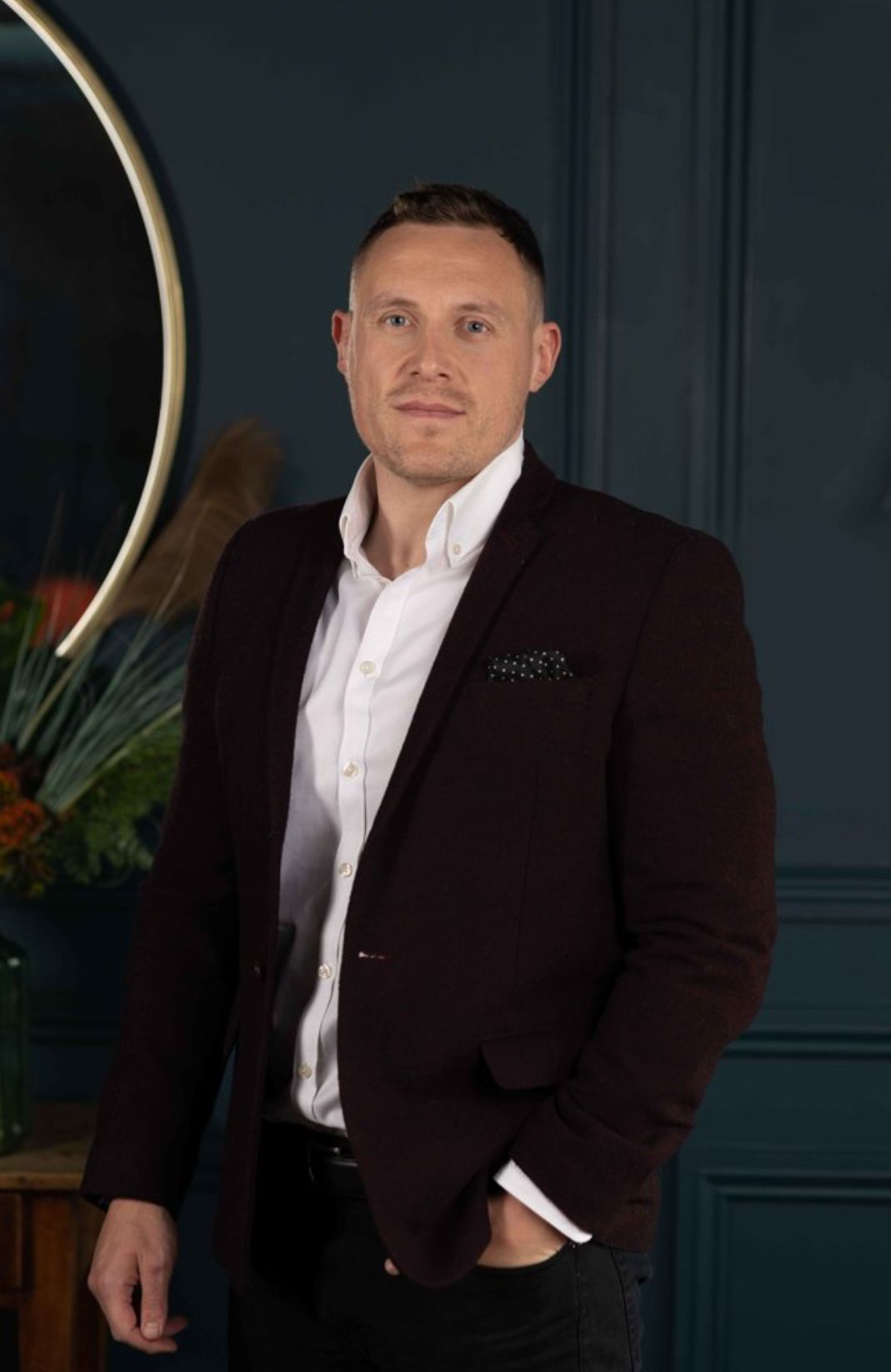
Lex Scott
VP Gaming & Gambling, ITV Studios
Lex Scott is a distinguished commercial leader in the gambling and casual gaming sectors, with extensive expertise in signing, managing, and launching globally successful IP licensing partnerships. As Vice-President of Gaming & Gambling at ITV Studios, Lex oversees the strategic development of interactive entertainment initiatives in these verticals, managing iconic brands such as Hell’s Kitchen, Love Island, The Voice, The Chase, and Schitt’s Creek. His career includes leadership roles with globally recognised media groups like Endemol Shine, Banijay, and Peanuts, where he has represented beloved franchises such as Peaky Blinders, Deal or No Deal, MasterChef, Black Mirror, and Mr. Bean. A proud father and stepfather, Lex draws many parallels between the challenges of parenting and business leadership. A passionate advocate for mental health, he is an active fundraiser for causes like Movember, often taking on physical challenges to raise awareness and support men's health initiatives.
Follow Lex on LinkedIn →03 · Inside this episode
Moments worth queuing up
In their own words
Full transcript
Read the full transcriptHide full transcript
The only currency we have is time when you realize that your investment isn't matching up to to what you get out of it I think that you have to cut the cord and embracing impermanence in everything your work friends family it's about embracing that constant change nothing lasting forever embracing that path leading to success and I think peace which is I think is really what we're all looking for I've had a coach I've started unpicking years of bad habits realigning my actions with my priorities humans are not made to be Islands we're social creatures and why try and do this yourself when there's so many
other people out there that are either on the same Journey or behind you or just ahead of you that you can support each other and learn from each other along the way welcome to the igaming leader podcast where we uncover The Human Side of some of the most inspirational leaders in our industry I'm your host Leo Judkins and as an exi gaming director ter performance coach I've worked with over 200 leaders from companies like Entain, bet365, flter and many more to help them build the habits to achieve sustainable high performance in these episodes we share exactly what it takes for you to achieve the same
so with that being said let's dive in Lex welcome to the igaming leader super excited to have you here on the podcast man welcome great to be here I wanted to dive straight in with a question about authenticity and openness I know you are really big on that when it comes to leadership can you tell me a little bit more about why that's so important to you and maybe even share a defining moment in your career where you have to choose between being authentic and and conforming with expectations yeah sure so I think it goes back to growing up as a kid and I was
very much a person who was very inauthentic so I was constantly Dawning different personalities different traits different characters if you like just to get by just to find some sense of purpose or position or validation and I think that I I lived that life for so long that you really end up having quite a a deep separation between who you truly are and who you're projecting to the rest of the world so I spent most of my time growing up to manage my own mental Health that I you know was struggling not enough with we did a lot of moving around as kids and that
kind of fear of change and fear of any sort of movement away from what would become my new normal was something I really shocked with so I used to create characters Lex in itself was a character that I created you know everyone back at my first second school would have known me as Alex and it was very much a mask that I'd put on every day in order to in order to get through the day in order to make friends feel like I was liked and I think gradually over time I just realized that there was this bigger and bigger divide between uh who I
was inside and who I was projecting myself to be and I think everyone comes to this point at some stage in their life whatever happens to be the stus for for causing the kind confrontation that you have between those two things and it was really important for me to eventually reconcile those two parts of myself and establish what was thein me and and it's very much something I've tried to take into my leadership style I am a very wal person and I think that's being it's very subjective right to whether that's a good or or bad things for many people often they don't always hear
what they want to hear and I don't always play um by you know the more conventional rules of corporate life I guess but it's been important to me just to be true to myself and and to the people that I'm working with because I don't really want to do anything different no I love that and I like from just knowing you that that's what I love most about you this is just who you're going to get this is Lex right and yeah you take you leave it but I want to kind of dive back into that next one of the things that you said there
what did you have a kind of a pivotal moment or something where you thought this kind of this character that I'm putting on is just not who I want to be and or did happen over time can you tell me a little bit more about that about when you decided to make that change and how that showed up yeah I think anybody that knows me personally will know that it's not just it's not just one incident one mistake that that's resulted in that conclusion that I've come to is very much been death by a thousand Cy in many ways I I'm not the quickest learner
when it comes to when it comes to these things and I think I realized that I was not only hurting myself but I was hurting people around me or was being detrimental is probably a better a better way of putting it in in being an authentic I was actually and pretend to be something that I wasn't what I thought people wanted me to be I was actually pushing them away uh and so it was a combination of things really over time that the real Pinnacle was was becoming a stepdad and becoming a father for the first time like so many things in my life I've
done a complete crash course four years ago I was single little in a two bed flat in London with the former University and rby teammate from from Lincoln and four years later I'm living up in the world with two step kids aged nine and 14 and two kids under two and I think that's why I drew a lot of parallels between leadership and in in the corporate world and parenty it really forces you to hold the mirror up or in some cases when you're refusing to hold the mirror up it will force you in front front of the mirror and I think that sometimes you
have to face that and embrace it embrace the suck and just acknowledge that there's there's certain things that you're falling way short on for yourself and for other people I think when you have kids or a team it magnifies it tenfold because you suddenly realize that you're responsible for other people and that the perhaps the coping mechanisms that you used previously that had been effective for you as an individual no longer served you as part of a larger Collective yeah love that man so Lex you talk about mental health and fatherhood really significantly having an influence on your leadership Journey so tell me a little
bit more about that like how has that shaped your leadership approach and what changes have you made as a result of your experiences with mental health and and fatherhood I think on all fronts it's it's encouraged me to be more patient I think patience is a is a really difficult trade to have especially anyone who's highly ambitious or or driven you want everything straight away you don't want to wait and so often you're pushing so hard to succeed to progress that you really don't appreciate or take the tie to enjoy the journey and to and and to also accept that like people people can't all
be running at the same Pace as you are so I think patience and empathy they're the two that have really have really come through for me from both of those I think historically which is quite shame for someone who who struggled with mental health over time is that I was I had a degree of intolerance to it or or aversion to it I think that I I almost felt like because of how it had followed me around growing up and through my adult life how it had also surrounded me with with my family and to an extent friends that it almost felt like something that
if I paid it too much time and attention that it would come back to me almost like a like a disease that I would would return if I if I let it so I did that trying to take the time to understand what people are receptive to in terms of leadership I they encourage you people to also take some P personal responsibility for themselves that's something that I wish that I'd had as as a kid and as a young adult someone teaching me how to conduct the self audit and look at myself holistically and take a measured approach to what I was doing I've been
a I've been a stop start Sprinter my entire life and trying to encourage people to become more of a distance Runner and I I guess adapt a more sustainable approach to both being a team member and also a leader that's really something that I I wish I'd had 10 15 years ago it's also shaped you doll right and and it shaped you to who who you've become today you're passionate about encouraging more authenticity and openness in especially in sea levels right and that's something that I've also seen is is quite hard for people in leadership position sometimes what do you think holds leaders back from
being maybe more vulnerable and how can they shift that mindset what's something that they could do to change that approach yeah so I think I think there's a stigma around leadership that you have to be Invincible uh and that you have to get every decision right and I think that embracing mistakes being open and honest about mistakes that you might have made in real time as well as um in retrospect I think that's really important I think not enough people take account for things at the time it's all well and good telling people a mistake that you made in retrospect that you've seen made good
and gone on to great success but to take ownership of something at the time I think takes real courage and real vulnerability I think really just a case of of spending more time with your team getting to know people naturally vulnerability and openness comes about from shared experiences and creating relationships on on a personal level with people so if you aren't doing that I can completely understand why you wouldn't want to be just to show you on what human side with do team very easy for me to say and very difficult in this current time this current climate where we've never been busier we've never
been uh more overstimulated or accessible to people and I think that all of those things make it really difficult to prioritize the things that actually might have a really high R away from you but might require you to move out of your comfort zone I think if it's a really interesting it's a really interesting mentality around highas as well that they think that they need to keep pushing they need to set an example they need to create this Halo of success around themselves and actually that's not what a team are looking for at all they're not looking for somebody that's perfect they're looking for somebody
that is going that that they can get behind and that they can turn up to work looking forward to representing and and contributing towards that Collective success I think that's what people do some of the best leaders that I've been around has they Inspire the team around them to to work for each other and and for that person and it's really hard to do that if you don't know if you don't know your leader yeah leaders are people who you want to follow right and and I think that's exactly what you described there I love that you've identified some key people as your mentors your
soul food your anchors and your pivots so tell us a little bit more about a time where you relied on a support network and what do you to learn about leadership and vulnerability from those situations yeah well when I've relied on my support network that is always that is a constant I think I've been incredibly lucky to have the sort of people around me that I do both professionally and personally I think to an extent I've created a lot of that luck myself I do crave Personal Collection and that that means I have a lot of people pulling for me and I've got a lot
of people that are willing to help me out and it goes both ways I I like to think that I can provide that to the people in my support network as well now professionally I have people like Mark Ward who was instrumental to me I met him at University back in 2009 we were playing rugby together we ended up running the rugby club together it was our first it was our first kind of foray into business together to an extent because we ran it like a commercial uh Enterprise we drove the membership to whole new levels that had never reached before retention like we we
genely ran that Sports society as a business and we looked at all of the key metrics fundraising Revenue performance on the pitch after the pitch and we were all about we were all about having a kind of shared a shared vision and message of of legacy and things that that are always the sort of things that who super important J 21 and the only priorities is they R being and going out he was tremendously important to me cuz we started running club nights together in our University City and we continued working together for three or four years after he left University I was kept behind
for for a f the year due to due to my own uh with my course and I think what was so valuable to me is that he he always saw the best in me he always tried to push me to be more to be better to fulfill my potential at least the potential that he saw in me way the floor I saw in myself eventually he ended up hiring Me edal Shine which is a big or was a big media production company uh they Brands like deal on o deal and pey blinders and Maria chef and black miror and it was I think it was
the first time that I really realized how important it was to have someone fight in your corner because all of a sudden I was representing this huge franchises and I loved what I was selling I think that was the difference you know I'd kind of bounced around different roles up in the lead up to that and it was only when I landed at endal that I truly understood what it was to love what you do and to and to really find meaning and purpose in in your dayto day and Mark giv me that opportunity I'd had no experience in TV or media I had no
experience in in in what this specific operation was which was licensing the intellectual property of those TV shows into gaying and to gambling and he gave me a chance and I think it was the started me really starting to build confidence and understand what what leadership looked like now I'm not going to say that our Dynamic was was for everyone it was a steep learning curve and I I think that a lot of people might struggle under the type of Mentor relationship that we had but for us it worked really well and I think that's again the sign of like a great supporter or a
great leader it it's really much of the say it's how that person can engage you and really Elevate you or encourage you to elevate yourself yeah I I mean I huge amount to Mark I know he also owes a huge am to me his bonuses over the years has have paid uh his his lifestyle and and I like think I've contributed a significant amount to that so I know that I've repaid that and that's also really important part of any support network is that it's a mutual it's a mutual relationship you know you give and you take equally I think that's super important always be
open to adding to that support network I think anything that you ever do there are chapters in your life and that support network is not always scalable there are people that are going to be around for the entire book and there's people that are going to be around to just certain chapters and that is fine I think embracing impermanence in everything whether it's your work friends family it's so important I think it's about embracing that constant change state of change nothing lasting forever embracing that path leading to success and and I think peace which is I think is really what we're all looking for so
I think yeah I've been so incredibly lucky I I could do a full Oscars speech on all the people that I'm I'm grateful to I think the most amazing thing about the I gaming industry in particular is it is so welcoming and it's so unique I think in its culture and its attitude to it loves bringing new people in and it's such an interesting time for the industry because as you've touched on with some of your other podcasts like it's still relatively immature in the grand steer themes and it's still in many respects finding its feet but it's also got this huge amount of Revenue
involved with it this huge amount of Regulation it's all of a sudden gone to had really high stakes game which makes it super exciting as well to be involved I absolutely loves that I have this kind of this hybrid role that allows me to I kind of Jack of all trades master of nothing but I be been able to be involved at least peripherally from a thirdparty brand perspective and and in both the ey gaming space and then also in the Casual gaming space it's just been the most incredible thing to be a part of when technology and and its advancements Innovation it's just I
feel like it's I couldn't be in a more exciting space quick break here if you're ahead of director VP or executive in igaming who's successful at work but is finding it hard to achieve balance in life and switch off from work then I got something that's going to help on the third of February we are launching the igaming leader reset a six- week coaching program in which I will personally work with 15 igaming leaders to build habits for sustainable high performance all in just 20 minutes a day it's limited to only 15 laders so if that's something that you want to know a little bit
more about head over to igaming leer.com and I hope to see you there now let's get back to our conversation one one of the things that uh we all know is true in ey gaming is that there's an immense pressure to deliver results quickly right so how do you balance that kind of urgency with especially in your in your area it's all about relationship building and so how do you balance that sense of urgency with perhaps more long-term relationship and and and long-term Vision yeah that's a great question I think that's something that I've been really working on more recently since I started ITV so
ITV is a it's a publicly traded company has shareholders that we have to keep happy to an extent you're operating year to year you also have to you have to have medium and long-term strategies and goals you know in order for you to breach that year-by-year mindset and and be at the Forefront of really exciting in the industry so that's something that my SP Steve wling has been great for me I am somebody who my BL is pretty hectic and I think just taking the time not just as a leader on an individual basis but also understanding the people above you the people below you
like what is important to them what is important to our customers you know what to people want to see I've done enough deals that have that I've thought that that were great decisions in the here and now which have further down the line proved to be perhaps the the wrong choice and I think there's also of pragmatism that has to come with this stuff that hindsight is is a great thing but I think that's what I admire about what I admire about leaders the ones that I have on the pedestal are the ones that are able to make decisions quickly and that are able to
make a majority of them good ones right I think that speed of decision making is particularly in gaining and and gambling is is absolutely key because everything's moving at a million miles an hour um and and being a to make those those snap decisions it's it's invaluable because you just have to look at the most kind of successful companies in space they're also the most disruptive right you think of people like a Nick Robinson and someone who's like a true disruptor and what I love about what what lcks managed to do with Big Time gam is create a intellectual property out of megaways a mechanic
that he's patented and he's licensed across the industry I think it feels like that being able to Pivot quickly that's the sort of thing that I I have a huge amount of respect for and I tried to replicate I tried to replicate in my own in my own leadership I I don't always get it right because I'm also very OCD and I do have a tendency to overanalyze but I think making there there's the best thing you can do is make quick decision the second best thing is making no decision and the and and the worst thing you can do is making a slow decision
so something I'm trying to I'm really trying to ingrain in myself because at times I have been on the slow side again just because perhaps I don't have the I haven't had the confidence to take that big step so talking about making quick decisions what are some of the things that you do when you don't have all of the information yet you still want to make a quick decision what do you do to get through that discomfort of not knowing at all yet but still uh still wanting to make that decision I think he's about cre in a culture where mistakes and failures are okay
and that you embrace them and learn from them so I don't think I don't think he necessarily about getting it right every time I saw a podcast recently it was saying that the big Advantage the big competitive Advantage is is speed and that in the time that you've taken to make one decision I've already made three mistakes and come up with a better process for for addressing the original problem so I think I think that not having any feeling of failure which is so difficult right in this modern world we live in the blame culture the lack of empathy or patience social media is really
taken it to whole new levels you only have to look at the hate that that people get when they post something that they perceive as being positive that sort hater mentality is so ingrained in our culture that fear of failure you know can almost stop you in your tracks and I think that there's some great books out there like blackbox thinking by Matthew said um where it talks about he refers to the Black Box in aviation which is a device used to analyze accidents and it symbolizes a culture of learning from mistakes and and failures and improving processes on the basis of those failures so
it's it's all about building building that confidence I think it's something that comes with age as well as experience I used to care a lot more what people thought and I I think letting go of that was a really important part of grow as as a leader I think that's so true Lex you know it is about like almost that fear of judgment for many people right and therefore not then not taking decisions and then you end up with mediocre products and mediocre everything instead of uh yeah embracing it embracing the discomfort and actually making decisions and then learning from those failures and adopting as
as you go along talking about quick decisions you I know this year you were uh in a sea level position for 48 hours and made a quick decision there after well probably wasn't a quick decision but you made a decision there to to leave that must have been incredibly difficult so he took us through what was going through your mind in those two days and what ultimately LED you to step away yeah so 20124 has been a a really big year of change right for me as a as a professional as a person it started with leaving my role of eight years at ban where
I was commercial director I was very comfortable there but there was some restructuring and there was an opportunity to take voluntary wood uny and you know I after eight years in the same world felt like a change was necessary I've been redoing my house uh which has been a slog in itself it was a real fixer uper and that that redundancy package it just made sense for me at the time I I thought it was time to embrace the change explore what else is out there and so I went to Market I had two opportunities one which was a a very safe play in in
IP licensing I super attracted to it because the management team I had a huge amount of respect for I worked with them on multiple different occasions indirectly via ban and then this complete left field approach from an i gaining company came in and it was an opportunity for me to take on my first sea level Ro it was a kind of jeel CCO CEO position and I was super bought in to what they were trying to achieve and I'd been a long time admirer of the company so it was no-brainer for me to take this step I'd already made the big breakway from my from
my safe spot Al a banage so why not go for go for the big one and unfortunately it just didn't it didn't transpire to be what I had thought or hoped it would be and that would became very apparent to me very quickly and I was s do you know what I was super proud I put a lot of preparation into into going into that role I'd obviously told my friends of family that I was going to be taking on that role and there was a huge amount of pride at stake going into this and as soon as I realized it wasn't a rightous thing
I made a very quick decision to to exit and I think that was something I'm I'm hugely proud of it was a you know the me of 5 years ago would have would have hung in there would have refused to take a knee and would have tried to make it work and I think that again time age Parenthood it's given me a perspective the really the only currency we have this time and the only and perhaps as a secondary one energy and so when you realize that your investment isn't matching up to to what you get out of it I think that you have to
cut the cord and and that's something that could be quite difficult right so many people they teach this kind of toxic culture with don't quit don't walk away never give up and sometimes it's actually a a completely like a diminishing return that you're you're forcing yourself to Eno and you you're hanging in there from a point of Pride right it was not something that I was over enamored with admitting to people that this big sea level position I'd done you know that I'd signed up for the pr that had been planed and and everything that that came with it the introduction to the team to
to have to call that if feel like I had to call that two days in it was it was intense but it was not something I regretted for an instant and I think again without trying to sound too basic I really had bought into the green lights mentality by Matthew mcon and I do sound very basic picking out a Hollywood Al there as my North Star that think that his book that that came out a couple of years ago it really resonated with me and it might be because I I listened to it on Audible and his voice is just incredible you know it teaches
you about the whole kind of premise of of life being full of of green lights and and and red lights orange lights essentially your fail is becoming your fail is starting off as as red lights but in the rearview mirror of Life becoming green lights because ultimately you know you can use that you can learn from it to move on and grow do something better and I get that's that gives you a sense of perspective when bad things are happening or when you're going through tough times that it won't always last and that it might and then it might turn out for the best that
was what got me through and lo and behold the opportunity to work with the team at ITV as I said you know I really byy into and leaders and that's what I've always done is is something that's crucial to me I can't work for someone I don't stand or a d think I can build a relationship with and the opportunity to work with Yuri and vmir and and Steve Watley ITV was it was absolutely no-brainer for me I was you know I'm tremendously grateful that I had the opportunity I didn't have that most time out of work and to to be able to move to
such such an awesome company and representing braa Hell's Kitchen and love Island and shit's creek and the voice again I just I I love being able to sell things I really believe in and uh and that I personally love ultimately that red life it it became a very big cleen light for me love it Le because your ego could have been in the way there as well right very easily you you were saying That's first time I'm I've got this opportunity for a sea level position did you struggle with that at all with that ego part of it yeah I guess to an extent I
did yeah I I like to try and make light of anything and that that's happening in my life the time it's generally how I managed and coached things so you know even with my my my partner Katie she's scouser and her support and her mutually dark humor has been a real a real sad and Grace for me with that because this there's nothing like Mery side mentality you know to always bring you down a peg or two to make light of dark situations and just turn it like it is as well that's they're the sorts of things that have been really important to me you
talk about support network again people like Mark were incredible for me during that time and also pushed me to start looking at doing things on my own so I'd always loved the comfort blanket of of corporate life and everything that came with it and how well it shielded me and the security and it pushed me to be to do things that made me feel uncomfortable to to pitch myself for consultancy roles and and advisory roles and you know also then pushed us to to getting ktie started with her own limited company which is Aesthetics and doing courses and training around that so I think the
whole experience really taught me so much and it taught me a lot it was a valuable experience really just in the preparation for that role because you know I really went full I went full immersion on the preps for that I had all of these strategies and and and and ideas that I wanted to implement and I was already profiling like the members of the team to understand how I could build relationships with them and and it really helped me to establish as well I'd always I for a number of years I'd been bid to Senor level to them moving to se level what was
that jump like and what was like what was going to be the difference in me as a leader and and also what my not really giving any thought to like what my mhip style was it had always been quite had hwk up to then so you know was I was I a coach mentality or was I an autocratic sort of leader or or a servant so I I think that the whole experience was just super beneficial to me and and I wouldn't change it I I think I there's still there's still that nich to have a a dedicated ey gaming role because so many of
the people that I look up to and Admire have really flourished in the space and yeah time tell but I'm super happy where I am at the moment I'm grateful for everything that's come to pass us has got me here love it man hey uh let ITV you've had a bit of a unique opportunity also to step back and really focus on your own development without direct reports so what's Crum to that self-reflection and what's been the most eye openening part of that process I mean it's it's been super unique in that regard because there aren't many there are many people in a vice president
position who have no direct reports and yeah this is my first time in in four or five years that that I've not had somebody that I've been working with super closely and trying to develop historically ITV has been a very small qu tee the majority of their operations have been UK focused and I was bought in to scale their operation in the gaming gamley space globally so we've had this kind of unique period almost like a h for me before before the new year starts and our team uh moves into a different area of the bus this where I've just been able to really take
a step back particularly given everything that's happened this year and just assess myself and where I'm at and also look at perhaps problems that are still that feel are still really rearing their head or affecting my habits and routines which I don't find particularly helpful so I've hi a coach I've started onp picking years of bad habits and and begun really realigning my actions with my priorities and yeah I think it's surprised me how deep rooted some of those bad habits or what I perceive as being bad or damaging habits are I'm trying not to beat myself up too much about them because they have
all got me to where I am and they've all contributed towards the success but I feel like when you talk about chapters in your life and and and people in your support network having chapters within your uh life story I also think that habits routines attitudes and and I guess just characteristics that you've built up over time also have chapters so you know what served me from 20 to 35 might not serve me anymore but from 35 to 50 so it's really about again embracing that impermanence embracing the change and just trying to find one new Baseline and my new normalist yeah love it Lex
well my final question if you could um go back to the beginning of your career what advice would you give yourself about maintaining that being and especially that that sense of self in a high pressure industry or environments N I would just say just stick at it that would be my only bit of advice and I think to anybody out there it's it's a case of just keep going the good times they will pass the bad times they will pass too and I think the gaming and the gambl sectors who wouldn't want to work in this space right who wouldn't want to be creating gains
for other people to enjoy whatever they might be and and who wouldn't want to be going to Vegas who wouldn't want to be going to Barcelona and I think that there's so much that this industry has to offer enjoy it embrace it keep doing what you're doing I would say pause take a breath and really take the time to decide who you want to be and whether says a leader whether that's as a team member and or whether that's as a father son brother that's something that really should be taught in schools it's such an incredibly outdated education system that we have being able to
self- audit and doing it incrementally over time is just so important and if I'd been taught how to do that as a kid I would be in obviously a very different spot to where I am now but I I probably wouldn't have wasted as much time so I think firstly do you care because a lot of people don't you know at the stage of that they are they don't care what people think of them they don't care the effect they have on others they don't they W even care about what they're doing if you do care where are you now and then where do you
want to be and and I think recruiting a support network whatever that happens to be people that are your soul food people that are your anchors your mentors building out an Avengers style team for yourself I think that's the advice that I would give to people because humans are not we are not made to be Islands we're social creatures and I think why why try and do this yourself when there's so many other people out there that are either on the same Journey or behind you or just ahead of you that you can that you can support each other and learn from each other along
the way thank you very much Lex really loved this talk and uh thank you for being so open and honest thanks mate thank you for joining me on the igaming leader podcast if you enjoyed today's episode head over to igaming leer.com for more conversations and insights don't forget to subscribe to this podcast I'm your host Leo Judkins and hope to see you next week
This episode is sponsored by


The AI platform for marketing automation used by leading iGaming operators. Turn player data into real-time engagement to deliver timely, relevant experiences and strengthen retention and loyalty across every touchpoint.