
01 · Watch the episode
The full conversation
Watch on YouTube ↗ — if the embed above says restricted, it's a block on your network/Google Workspace account, not this page.
Or listen on:SpotifyApple Podcasts
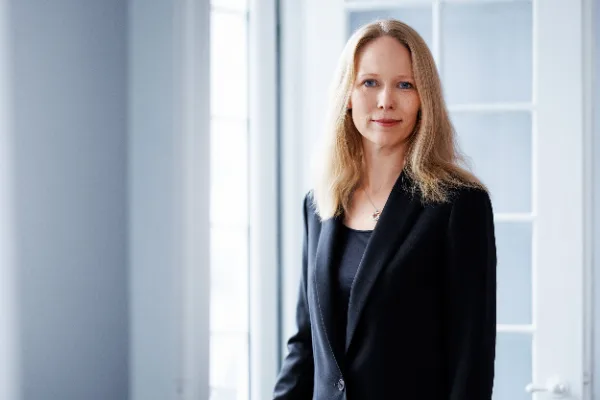
02 · The guest
Britt Boeskov
Executive, iGaming & digital transformation
With 20 years of experience in the i-gaming industry, Britt is a board member and advisor who specialises in strategy, customer experience, and digital transformation. After a long C-level run with Kindred Group, she now serves on the boards of Better Collective, Mindway AI, GAMING1 Group, MAG Interactive and Racecourse Media Group; and provides tailored support through 4see Advice.
Follow Britt on LinkedIn →03 · Inside this episode
Moments worth queuing up
In their own words
“You don't get the corner office. You take the corner office.”
“High performers balance humility and curiosity with ambition and persistence.”
“The one lasting thing you build in this industry is your relationships—hold on to them.”
Full transcript
Read the full transcriptHide full transcript
Mata STS who's now the CEO at L Street interactive he said to me you don't get the corner office you take the corner office I see high performers being extremely humble curious interested in other people showing lots of empathy and and sort of soft skills and on the other side I also see high performers you know being ambitious being hungry being stubborn qualities that are not always described as positive ones I felt like was in the very very deep Waters and just two days after I actually did this and felt very proud of myself one of the managers who would report to and asked a
range of people to go with him if you're a team leader or a CEO the moment you believe that the people who work with you or for you can handle stuff you can breathe in a totally different way I one wants to recommend any can't use that instead of saying Hang on we're working for an industry no one want to recommend maybe we need to do something about it welcome to the igaming leader podcast where we uncover The Human Side of some of the most inspirational leaders in our industry I'm your host Leo Judkins and as an exi gaming director turn performance coach I've worked
with over 200 leaders from companies like Entain, bet365, floter and many more to help them build the habits to achieve sustainable high performance in these episodes we share exactly what it takes for you to achieve the same so with that being said let's dive in britz I am so glad that you're here on the I gaming leader I've been um wanting to talk to you after having been recommended to get you on the podcast um really excited to have you here and talk about your really long history in ey gaming and the progress that you've made but before we even start let me just say
welcome to the ey gaming leader thank you so much Le I'm really glad to be here and thank you for contacting me it's a great have an opportunity to discuss with you back in 2005 you started in in business development and management training position I saw on LinkedIn and then you moved all the way up to Chief experience officer in that whole journey BR what was some of the biggest highlights that you've had first of all I have to say one highlight was to even find the the ey gaming industry I mean I was uh I was meant to go more in the direction of
academic research at Copenhagen Business School plan but I thought it would be nice to get some work experience and I struggled to find a place where I would be allowed to use any kind of leadership theories or management theories in in practice because didn't have any experience and this Management training position came up I actually thought it was an unpaid internship and I called them the guys at unibat on that basis feel like I might be able to do that I do it for a whole year cuz I can't afford that and they were like no no this is a job this is a job
where you get paid to move to London and support management team of this upand coming company in the IG gaming business also this is amazing that happened exactly at the time where unipet Danish country manager had been arrested by the police in Denmark because there were obviously concerns or around what the law was at the time and uniat was very Forefront about leing in the European Free Trade Agreement and obviously went full marketing in Denmark with with the brand so there was some skirmishes there and I I had that was one of my first questions to talk to the chief legal officer and the CFO
of unibet at that time we had a lovely discussion about you know risks and differences of opinion around regulatory things and little did I know that was something I was going to deal with was that an out management JY and it was a highlight to join a company that experienced epic growth because to grow that fast and not just Financial growth but just like the mental maturity that my first bous Tony Johansson was he told me this in the interview he's like you might not know this industry but you'll never get a chance to be on a roller coaster like this this just so much
fun and the growth is going to sustain all your needs for personal growth and development as well and that was a good sell I love it that is amazing and it's it's it's so true isn't it it's such a highly volatile industry and in that ride with uni beds later on Kindred like how did you yeah what what was some what's were some of your proudest moments there there was so many I mean from seeing the UN loo go up at the Danish National Stadium that was about 12 years after the said incident with the country manager being interested that journey into legitimacy from being
like an outcast Pioneer Challenger brand to becoming an Insider part of society part of the dialogue in society I think that me has given me many proud moments because it's necessary to to move that way it's also giving me gray hairs frankly s it's really a lot to adapt to um to all those markets but another uh moment for me I think was when I realized that I wanted to step into leadership I had a situation where I was a team leader of a small team with five people and my manager had to move back to his native country very quickly and left within days
and I was asked to look after the other Departments of this rather large organization and I didn't know what to do because you know how do you assert yourself as a very young woman uh when the other five or so managers were guys in their mid-40s and and I sort of edged closer to my boss's office and ended up sort of sitting a little bit outside a little bit inside try to do a few meetings in there and my colleague Matia stats who's now the CEO at BL Street interactive he said to me you don't get the corner office you take the corner office and
so after a few weeks I just walked in there and said out of the chair and sure enough by just taking that on and telling our CEO like you know I see this is things are not working I need to get this running give me the case please and and he said yes and that was my entry into to the world of leading people and having a greater responsibility in the company leading up to the moment what did that look like and how did you feel because I can totally imagine you've got it in your head right you're going to say this thing of all
right as see this opportunity and I want to step up but there's all these thoughts that racing through it so take me to that moment please I don't think I felt conflicted about it I saw some actual problems and that needed to get solved and and people that needed to feel sure that and needed guidance and I just felt that that was a very practical thing to do and and it was a bit the same way I got involved in a lot of other things but so seeing that this isn't working you know a tech team isn't working or the business development isn't working and
just getting involved I didn't feel anything other than a sense of Duty towards solving the problems and also of course a sense of gratitude that I had colleagues who would definitely support me I knew that that was a great precondition I knew I've had a tyght network of peers that would support me and uh guide me such an important thing right your environment really dictates your like your whole trajectory such an important important piece of and and you mentioned it when we spoke before as well and you were talking about how important it is you know to have a bit of luck to have the
right timing to have the right people and this is although I completely agree that that is true I also often feel that it takes takes some of the shine away from high Achievers like you said you know who have progressed and who have sustained performance and have gone through the challenges that would needed to to get to where you are right so how do you feel about that tell me a little bit more about that if you will timing is very important of course there are some conditions that I continue to see in people who have sustained performance and it's very often it's about balancing
things so on the one side I see high performers being extremely humble curious interested in other people showing lots of empathy and and sort of soft skills and on the other side I also see high performance you know being ambitious being hungry being stubborn quali that are not all always described as positive ones but it's when the two of them can sit together that people can continue to sustain performance if they have too much of one or the other I think it becomes difficult so I think in my personal development it's not one or the other but a combination of those factors and then timing
is really important it's not always that something opens up for you in that company where you are and that's always why I also say to people that you know you need to forge your own way and maybe your right path is to go and start your own company or work with someone else just because a company is really good like Kindred group was an amazing place to to grow up as a leader but it didn't mean that it was right for everyone and so you got to respect that and not tie down just to a brand yeah and that makes so much sense but sometimes
you just got to take the corner office right that's you got to do I would say then and once I did that I was a real what came with that and that was you know like jumping into yeah I bet a department full of challenges I felt like I was in the very very deep Waters and just two days after I actually did this and felt very proud of myself one of the managers who would report to me and wentor and asked a range of people to go with him so oh stuck and I was I was scared there because I thought you know what
if i' gone beyond my post and now I'm ruining things and and it's going to be really bad te company and on Rec card but I was very fortunate that not only did I have good peers I had contact with one of Bard members at un who also supported various processes in in the business and he said oh this sounds bad let's go and fix it together so we went animation to to fix this department and find a new person just having someone who was more senior who didn't tell me what to do but who was there to reflect and support was something that helped
me immensely I would always say to people don't shy away from getting help look for people who've done the stuff that you are getting into and see if they can give you some advice you had such great advice because you don't have to do it all yourself we often feel that we have to right that we have to figure it out or that we even have to have the answers already which is just not true but tell me a little bit about how you felt in that moment when that manager quit and took other people away like I'm sure emotionally that must have been so
difficult for you for for a period of time question yourself and say oh I probably went ahead of myself and ahead of my rank and I probably don't have the skills to do this so there definitely the the whole imper syndrome in in very real time and also watching the teams who were then suffering with that lack Clarity or them sitting there going like well what are we going to do there's no one here who is in charge on the one hand feeling the concern but also the still the the sense of Duty to say okay this is my thing I need to do something
about it and I think that was U that was at the end you just need to have that little extra wish for fixing the problem and making that more important than your concerns and your worries and your insecurities yeah that makes most what what happens to a lot of people in those type of situations though uh because of that sense of loyalty and ambition and curiosity and empathy like you said which really underlines high performance for a lot of people is that they almost um also forgo their own well-being right they start compromising on their own personal life just to make sure that they get
things back in order did that happen to you and if so how did that show up for you not really just I don't know I'm uh fairly B person and I know that I need to to look after myself but but there have been you know times of worry and Times of concern and I think the kind of energy that eats at you it doesn't have to do with the real problem but the fact that find the problem is so existential it's so you know terrible and the truth is most of the work we do no one's going to die if we make a mistake
and that's very different from other people's jobs but you can hurt people if you make Stakes so of course you need to take good judgment you do that better if you've had a good night sleep and some fresh air so quite that in no matter what I think I've managed L time I've been more pressured at other times in my career for example when my kids were very small and I would say especially if you're in a situation in your life where you can't sleep because someone's keeping you up all night that will really imps your your s resilience but definitely uh remember to to
take time out for yourself is important yeah as a parent myself I'm also super curious how you did it what what were some of the things that really helped you maintain that balance through those early years with kids right when they keep you up but also just being present at home when stress from work is maybe still on your mind like how what how did you deal with some of those things we lived in London at the time and the UK compared to Scandinavia there's whole different Paradigm for what you can do like example it's okay to have a nanny G was it in Denmark
it's like no you're bad person so I'm glad I lived in the UK because that did allow me to professionally Outsource some of here give her hearts that were really important and my kids love people supported them and and I came home fairly late that's just the truth and I traveled as well and very young so certainly not getting the gold star mom thing but I I think I felt there was enough for a balance and in love of an acceptable situation for everyone that I was very happy with but what I was able to do early in my career was to establish a leadership
Paradigm that had to do with empowering other people and that helps a lot and it doesn't matter what level you're at if you're a team leader or a CEO I think the moment you believe that the people who work with you or for you can handle stuff you can you can breathe in a totally different way if you believe you always have to be on top of everything and always have to ask questions and and that everything's probably going to fall to pieces then you get no peace of mind so I was in a very fortunate situation to have SE level roles with competent highly
competent and lovely senior managers who reported to me and not only were they able to manage their own areas they were also unable to contribute to the company's development beyond all departments and that that meant everything for me to get them to that point a big part of that is also you trusting your team right that's kind of what you highlighted there earlier which is one of the mistakes so many people I'm going to say more than half of them leaders and managers make which is they become their own bottlenecks right because they can do it faster or better and and then they become the
crutch to the te team doesn't solve things but you've decided that you're going to trust your team of of course there were good people there but you decided to to give that trust away and that was and and then also show up for them in in cases where perhaps that didn't go the right way so did you learn that early on how did that how did that form itself that panal leadership so you can only learn that by doing right and I had some lovely people recording to me also people who were more senior older than me but one of the first people I recruited
from outside the company to work in senior position for me was Daniel escula P poker at the time and when I interviewed him I asked him what do you want to do five years from now you know the classic and he said I would like to have your job I was the CEO at the time and I thought that was great and I was like that's really great I'm I'm absolutely sure you can make it and I'm also fairly sure that I can find something else to do so let's work towards that and I think that became the starting shot for me to start sharing
a lot of stuff with my direct reports that didn't just have to do with their business it has to do with why why did we decide on the budget like that why did we not go into that market why did we decide on a strategy that held back on bonuses here and there why did we go for this regulatory regime but not that one steps that maybe wasn't Central to their job but it made them able to grow into people who could handle the business and who could handle their pure go in a completely different way so if I've done one good thing I've given
a lot of information to people and trusted them with the with a bigger picture and that started early on because I saw that quite a few of them would at some point move into sea level and I think about three or four of the people who reported to me eventually didn't move into sea level and therefore needed that information and that frame of mine I was just happy to to have that it helped me so much that's amazing it's such a it's such a big part you mentioned it when we spoke before as well when you talked about that just being able to give the
why or also understanding your why in whatever role you're in and understanding your purpose and having purpose in your role is really important so tell me a little bit more about that Brit where did that first show up for you and and how did when did you realize that that was such an important part of of feel you know being motivated and engaged in your role well I think it happened with especially around the time where where uned group changed to Kindred group because for a long time the why was so we can become bigger so we can become faster so I can get a
new job and and and you know have more insights and more opportunities so the the questions were very growth oriented but then around the time where there was a very serious debate in our markets about the social license for gambling company why should there even be ging does it do anything good the purpose started to seep in and B a really good headed Communications who really challenged us as a leadership team to talk about these things and I could feel that from talking about financial targets we started talking about what the group wanted to be in the world and that was that was a great
process it of course came down to finding an actual purpose and it also came down to getting people more involved in being honest about some of the backlashes that gambling has so that that sense of purpose and that sense of finding your way in the world was really something I was happy to contribute to yeah it makes it's it's such a game changer I think even with delegation and with leadership right we often talk about it in our program we talk about almost as an inverse pyramid when we talk about why what and how you know for delegation and um I think it's one of
these big pieces that often people just miss you know if we don't talk about the why if you don't help people identify the purpose of what they're doing and how they're actually contributing to the bigger ho of either the business or just what the world in general it just becomes a salary draw right and then you you lose all of that engagement and more importantly it also becomes a drag on people's emotional resources because they feel like they're fighting against some unknown the entire time I've been working the companies I've worked for have been growing and there has been growing pain meaning that there's been
change there's been limited resources there's been priorities that couldn't be met there's been stress about timelines and deadlines and if people don't see the wider picture those become the thing that just inats up everyone's time and resources and they got to be careful with that yeah makes all sense um when we spoke before you mentioned you moving from kind of the sea level to now more advisory roles and non-executive roles you you talk that perception there can you tell me a little bit more about what inspired that move kind of moving into where you are today and perhaps some of the challenges that you faced
with that absolutely yeah I would say it has been one of my big challenges because I'm sort of personally very wedded to the present and I like things just continue and I'm like oh I have a big job that's what I have to do and I would say everything about working for Kindred group was wonderful in terms of credibility the sort of ease of connecting with people and everyone knew where you were from and all of that so this break to being sort of just a a person who does work for various groups instead is very very different from an identity basis and I would
say it didn't come as an inspiration it came like more like a life work balance car Crunch and as it does for those people like a nicely managed process but I had moved back to Denmark gotten a new full-time job was very excited and then my time commitment to my family suddenly Rose because I have elderly parents and young kids and the setup is totally different in Denmark and I was like what am I doing I cannot make this work out I quit and it was it was not a fantastic experience I was worried that I would sort of burn a lot of bridges but
I do everything I can and not do that and I think that's worked and then of course The Bard R came on the side and I started wondering is that something I can do fulltime instead so I fairly quickly build up my portfolio of five companies who I serve on the board one of which I am now the chair small company from Aus called mindway very exciting one in the in the responsible gambling space so I'm very pleased to be able to contribute in this completely different way which is much more from a helicopter perspective I don't get to do my operational stuff that I
love I don't get to have stuff which I sometimes Miss but in return I get to contribute to the growth and transformation of those companies while also having some space for for my family life and right now that's a great balance but it is a tradeoff and sometimes wake up thinking I'm a bit like a 65 year old man that's kind of my work life but I hope that I can contribute in a good way that helps each of these companies and continue to Lear myself then then so good I love what you guys are doing with mind way is amazing hey if you're a
VP a director founder or executive in igaming and you want to achieve sustainable high performance with without sacrificing your personal life or your well-being then the igaming leader Mastermind might be your kind of thing it is a highly vetted community in which we work together with other igaming leaders in the industry to achieve that sustainable high performance because leadership in igaming can be really lonely and isolating but when you've got the right people around you it can make such a difference to your performance your productivity and your personal life so if that's something you want to know a little bit more about head over to
igaming leer.com and apply to join I had a question from one of the one of the people in our Mastermind Jordan oras he's the CEO of retention studio and he he asked with your experience in strategy customer experience and digital transformation what major shifts have you seen in player engagement over the past decade and how do you think operators should adapt to changing player expectations particularly with the rise of AI and personalization it's a really good question it changes all the time I would say my work with customer experience is most visual on my CV from the three years that I was was but it
started a long time before with the net promoter score that was actually a fantastic tool to find out if people would recommend you and a lot of people in gambling discarded that saying oh no one wants to recommend gambling any you can't use that instead of saying Hang on we're working for an industry no one wants to recommend maybe we need to do something about it so I think that journey of actually working with the the customers experience and asking them what is it you want what is it you want now and differentiating that it will never stop and I've seen big changes from line
gambling being extremely nich and something that people did out with the operators I mean that it was a sport in 2004 and five in Denmark to try and outdo the casinos of bonuses right it was a sport to then win in poker and get sent to Las Vegas to play a big tournament there was an opposition Run Sports bers you know hated your bookie because they were the bad ones and you were the good one you knew more than them so the tension between customers and and operators was very significant and to move that into situation where you have trust and well-being and entainment as
the main parameters has been a really big shift I think it will continue but I would say the reduction in attention span is probably one of the most difficult things to Grabel with ideally you would want people to stick around read your content see what you have to offer but we will get that what that makes experience integrated and um still waiting for that perfect personalization The Operators for that Flawless integration into new channels so I think there's lots to do yeah I love that and it's I think often in gaming we're just a little bit behind on other Industries you know we kind of
to catch up here and there and and and I think that's okay is there any any potential Market shakers that you've seen that really caught your attention when it comes to those kind of things maybe personalization or AI it's hard to say but uh I think you just need to look at the at the difficult ones where there's a real battle for the people so whether that's Finance or BC brands in general I think that a lot of them are working hard in storytelling I also am a board member of the gaming studio more mobile games and the amount of pride and Innovation they put
into making games that really work on people's behavioral psychology to keep them inlay keep them engaged they do so much more than we do and I think you could really learn from there and how's that sit with with mindway AI then Brit like how do you see Ai and personalization affecting player protection and RG in general I'm extremely really hopeful around what AI will do for our business because I see mindway was an early example of just how very few people can make a global product that can have a huge impact really fast and yes that's together with the biggest operators in Partnership but it's
it's still mindblowing that you can take Neuroscience or any kind of Science and bble it into an algorithm so I have huge hopes for more bright people finding connection idea between science base and the technology EMB botling something that we need for the industry to be faster better and more interesting it doesn't just have to be in the RG field it can be anywhere but to build the the responsible gaming algorithm since everything we do is up the next level and we want to to see that shift to have the good effect but it could really be an innovation on liting anywhere else I'm really
excited with what can be done I've been super impressed just talking to you before and then looking at your LinkedIn and then doing some research I've been so impressed with all of the progress that you've made and you know the projects that you've LED and and and your overall minds and even this conversation is amazing you're very you're a very inspirational person I'd love to hear from you somebody that is maybe also I don't know mid senior level and is looking to progress in their career doesn't just want to depend on luck and timing but really wants to hor their skills and their behaviors what
would be some of the best ad advice you could give them to to make further progress in their career yeah I I think that all the people who want to do that they look very much at what they want to achieve maybe it's to launch that product or get that marketing campaign out or enter that market or even you know start their own business something and I would say stop doing that today and realize those are all exciting projects but no matter what you produce in that space whether it's the best marketing campaign best product best software whatever someone will supersede that some point it
won't be your finite contribution and it won't be your finite results you won't get to hold on to that because the growth and the innovation in the industry you'll need to let go of that at some point and see someone else doing it even better and that'll kill you if you don't accept that and then I will say the one lasting thing you will build that you can always take with you will be your relationships with the people that you meet in this business in this fantastically colorful and diverse business build those relationships also people you disagree with because you're very likely to meet them
again somewhere and you might as well have brilliant working relationships with a ton of people even those you disagree with that will last and it means that when you meet them 20 years later you give them a big bear hug and it'll be fantastic and you'll feel like you achieve something that you can hold on to Forever even if the company you used to work for is no longer there even if what you did has long been Fone so hold on the relationships make sure you build those also with people who have tons of knowledge and can help you with young people who are coming
up through the system and with your peers amazing thank you very much Brit it's been so fantastic talking to you and thank you for sharing it's been fantastic thank you lovely and thank you Leo thank you thank you for joining me on the igaming leader podcast if you enjoyed today's episode head over to igaming leer.com for more conversations and insights don't forget to subscribe to this podcast I'm your host Leo Judkins and hope to see you next week [Music]
This episode is sponsored by


The AI platform for marketing automation used by leading iGaming operators. Turn player data into real-time engagement to deliver timely, relevant experiences and strengthen retention and loyalty across every touchpoint.
Related reading