
01 · Watch the episode
The full conversation
Watch on YouTube ↗ — if the embed above says restricted, it's a block on your network/Google Workspace account, not this page.
Or listen on:SpotifyApple Podcasts
02 · The guest
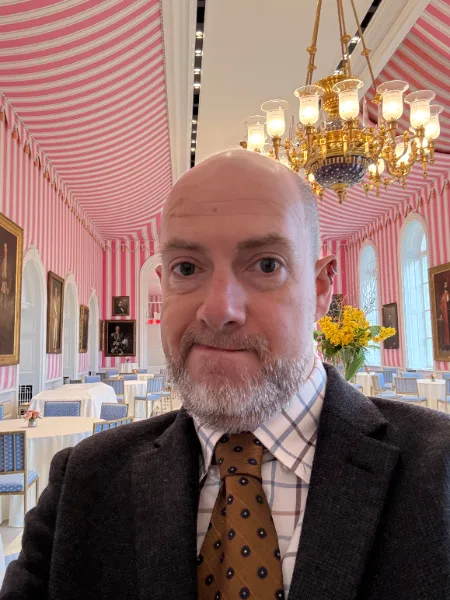
John Wright
Co-founder, StatsDrone
John has been in iGaming for over 20 years as a professional gambler, affiliate manager, casino operator, affiliate and now as an affiliate analytics software builder. On top of being an affiliate coach, he is also on the Board of Trustees at BetBlocker
Follow John on LinkedIn →03 · Inside this episode
Moments worth queuing up
In their own words
“All those previous 20 years they made me better at what I am today.”
“You don't realize what we're locking inside ourselves…”
“So when I look at people, I try to go a bit deeper and go, I know there's more pain and things that we don't see on the surface”
“I believe if I don't do this work, someone else will but if I do this work, I also have an opportunity to do something positive about it”
Full transcript
Read the full transcriptHide full transcript
That was a tough decision. Are we going to go through this hell and burn a big chunk of money and time and start all over? I mean, if it fails, I'm putting my name and reputation on the line. That wasn't a fun proposition. At one point, I was making up to $1,000 an hour. So, you have to imagine my friends and family. They kind of looked at me as here's John Wright. He's the high roller. He's got the nice car and he's traveling the world and all that. My goal is to have success with what I'm doing as a company. And if I need to
be frugal as hell to have more money to invest back in the company, I don't care what people think anymore. There's a weird power that I think people don't understand when you just start saying, "Hey, I'm not afraid to say these things." Welcome to the i Gaming Leader podcast where we uncover the human side of some of the most inspirational leaders in our industry. I'm your host, Leo Judkins. And as an exi gaming director turned performance coach, I've worked with over 200 leaders from companies like Entain, bet365, Flutter, and many more to help them build the habits to achieve sustainable high performance. In these episodes, we
share exactly what it takes for you to achieve the same. So, with that being said, let's dive in. Hey everybody, welcome to the i Gaming Leader podcast. I'm here with John Wright, who many of you will know, the co-founder of Stats Drone, has been in I gaming for over 20 years, and today we're going to talk about sustainable high performance, how he's run his business, and where things are today. Really excited to talk to you, John. Welcome to the podcast. Leo, thanks a lot for having me on and looking forward to having a couple chats and maybe sharing a few things that are maybe a
little less business related and more personal. I always love diving into that stuff. Let's uh let's dive straight in. You I mean you're you've been in the industry for so long, 20 years. I'd love to kind of hear a little bit about your beginnings. I know like professional gambling, we've talked about it a bit before as well, but can you take us back to those old school days and how it all kicked off for you? It was uh totally accidental. I went to school for engineering and I had my career path lined up. I knew I always wanted to be an entrepreneur. I was very
into robotics. That's what I studied in school. So getting close to graduating, one of my high school friends who also went into engineering then switched to I think psychology and statistics then dropped out. He started becoming a professional gambler and he felt that I would have made a great person to also, you know, learn all these skills. And I didn't believe him at first, but the after a couple years, he's like, "Yeah, I just bought a BMW M3 Roadster." And I was like, like we're we're like early 20s, like just barely out of school. And I was like, "Okay, this story is getting ridiculous." So, I
went to go see him and I didn't see the car, but I saw his office and it was just filled with students eating pizza, playing video games, and in between they basically played blackjack online. I was like, "This is beyond weird." So, I went and learned it and I said, "Okay, let me get started." And, you know, I had a lot of debt from university and I just said, "Okay, what's an extra $500 of debt going to be on top of a big chunk of debt? I can just go and get a job and it's not a big deal." So yeah, I started playing blackjack
at, you know, some of these original casinos. Some of them are still around today. This is, yeah, 2021. And yeah, it was a weird experience, but it it took off very quickly. It got to the point where, you know, I made way more money than I would have as, you know, having a job. So it gave me the opportunity to start traveling and that's when I kind of left Canada and went to Europe, went to Spain and went to the Caribbean and just said, "Okay, I can take my computer with me and go anywhere." And as this whole process was happening, I got to see
the other side of the the industry, the marketing side. Like, if you can afford to constantly pay me out when I'm literally extracting money from casinos, sports books, and some poker rooms, like there's got to be a lot more money on the other side. And you just get exposed to everything. the the bonuses, the designs, the the changing in software when brands go out of business, when brands seemingly come from out of nowhere and somehow become, you know, big stars like Bet 365 for example. So yeah, lots of lots of learning and yeah, it's been kind of difficult to change ever since. It's a exciting
industry. When you've got those skills, it's kind of like you just you just keep using them. Makes a lot of sense. You're an affiliate coach. You've got affiliate BI podcast. Your product and your service and your business is all around. Now, tell us a little bit more about how that started. You see all this money kind of coming in. You you look at it from the other side. So, what was your first step into affiliation? Where I really got the the inside scoop was becoming an affiliate manager, running white labels, and helping to set up a few of these companies. So, I had four casinos
with two affiliate programs and I don't know, maybe 400 active affiliates. What's cool about being an affiliate manager is you get to build relationships with affiliates. You you literally have access to the data on their program. So you see exactly how much money they make when you have a chance to talk to them. You you learn their story. You ask them, "How did you get started?" And their stories were fascinating. So one thing I've probably should have paid attention to early on in my career is knowing what do I really like doing? So I really enjoyed coaching and I just enjoyed B2B. Like I like
connecting with other entrepreneurs. and your entire affiliate database is just all entrepreneurs. So doing that affiliate manager job was actually kind of heaven for me and I remember taking over one of the programs that I had access to and I was just like I did minimal effort and the thing just kind of took off and it just made me wonder. I'm like how much more work could we extract from this? But and then after running those white labels and where things weren't going well it's basically like okay I was I nearly went bankrupt from the whole experience. So I just said well affiliates start with
no budget and they build stuff and they kind of use SEO. So that was my journey into saying let's start building some affiliate sites and you know giving my go at it and yeah it's different side of the business but you just keep learning. I love it. One of the things that we've spoken about before and you've mentioned before is that it took you a very long time to really find your like what you were meant to do, right? Find your purpose. I think that's so true for so many people because of the nature of our industry, you often start asking, you know what, is
this the right industry for me? Like talk us through that for you a little bit. How did that go for you? Like finding your purpose and finding what you were meant to do. Yeah. Uh good question. I I'm going to start with the ethics part first where I believe that if I don't do this work, someone else is going to do it. So, and I also believe that if I do this work, I also have an opportunity to do something positive about it. So that's the first part. In terms of finding my calling, honestly, it took me like 20 years to do. I feel almost
embarrassed, but at the same time, I don't beat myself up over it because you meet people in life that they never find their calling. And you know, I I find that a sad story. For me, finding my calling took a long time, but I kind of wouldn't really erase the journey and say, "Okay, that was a mistake. Let's let's fix it." So in doing professional gambling, affiliate management, you know, fraud management, running casinos, being a VIP manager, building affiliate sites, doing SEO consulting, even designing my own websites and being a consultant. That's a lot of experience, but I've learned like what I like doing and
where I'm going to be good at. Probably about 10 years ago, I started doing houseboating trips. I was just constantly being busy all the time and running an affiliate site, but it wasn't really getting to that next level. and I just felt like I'm spinning my wheels and I'm not really not really growing as where I could be. So I took a bit of time off and rented a housebo and that forced me to be offline for almost a week. It's you just can't be on your computer. So that gave me a bit of time to think, okay, what projects what do I really want
to work on? And this whole concept of Statone was that was one of them. That's where the idea kind of said, you know what, I've been thinking about this for years before and I was like, I need to start building a plan. So that became the starting thought where two two years later became like creating of the company of the logo and of the concept and you know starting to spend the first money on programming to build it and then that was an accidental discovery. I just wanted to solve a problem. I really wanted to work on this project. So in getting involved in it
I didn't realize we were getting into business intelligence. Like we went we went and pitched to an investor and he's like yeah this is a great BI project. I'm like what is BI? Like I didn't even know what the keywords were. So yeah, sure enough, it's like the deeper we've gone into this project, the more I'm like, "No, I I want this." And even when we launched our first version and we we actually failed, 2018 went live, 2020 we shut it down, started all over again, 2021, we relaunched, I'm like, that was a tough decision. Like, are we going to go through this hell and
burn a big chunk of money, end time, and start all over? I mean, if it fails, you know, I'm putting my name and reputation on the line. So, that wasn't a that wasn't a fun proposition, but you know, I'm glad I figured this one out. And yeah, it's all the things that I'm good at. All those previous 20 years of skills kind of they make me better at what I am today. And yeah, it's it's maybe it's cliche, but you know, trying to find what your passion is and where you can just apply it. It it's worth going through any exercise to figure that one
out. Mine was just pure accidental. Yeah, thank you for sharing that, John. It's something that I think most people find very, very hard. You know, what's your purpose? Such a big question and you know perhaps the answer is actually in the journey rather than in you know what is my purpose but what are what are some things that you found that have helped you with kind of discovering that answer for you were talking about journaling but what were some things that have helped you the most with yeah identifying what that might mean for you that purpose I think for me in in terms of purpose
being someone who likes doing new things is a good thing but it's also can be a bad thing it's bad in the sense that you don't always stay consistent with the project. So that was that was my my my own falling so to speak in terms of okay let's do affiliate let's do SEO consulting. So all the other things I think they made me better at just being patient and that took a long time. You know, it's like there's there's trying to find your own path in a discovery of what you want to do and then there's kind of like you know getting comfortable with
yourself and going okay how do I become a better person or a better leader or or you know better at what I want to do and staying focused and staying focused I think is something that I've I've struggled with for a long time. So going through that painful journey was half of it. The other half of it was just a whole cluster of things, things we we chatted about briefly. I started journaling. I think it was 2019. I just basically said, I think this is something I should be doing. I'm always a guy who like I I like having books with me all the time. So, I'm
always writing things down, daily thoughts, anything. And it would also be like what are my goals for the year? Sometimes I break it down by months. And I just tried everything in journaling. Like I study what other people do for journaling. And then I just said, "Okay, let me let me add this." The next thing I looked at was psychotherapy. And that one was an unexpected thing. So I thought I was coming for this, but what I ended up with was it was just like a tall mountain. It's hard to describe. But with psychotherapy, I didn't realize how much I needed that until I went
through it. You know, just things that I bottled up for pretty much most of my life. Like losing my dad when I was, I think, 16 or 18. Before that, like our family starting to fall apart. So when he passed away it wasn't really painful. So what I realize now is that you know we as humans kind of protect ourselves from pain sometimes. So you kind of lose that emotional attachment. So that happened and then going through psychotherapy and having one session and just kind of talking about it for the first time since he passed. Like I actually felt that emotion kind of come out. You
don't realize what we're kind of locking inside ourselves until you try some of these things. And psychotherapy was a big breakout for me. It was the first time for me to talk to anyone to share stories. So, I think I maybe mentioned to you briefly that yeah, after running some casinos on white labels, I nearly went bankrupt from that whole process. So, I went for professional gambling. At one point, I was making up to $1,000 an hour. So, you have to imagine my friends and family, they kind of looked at me as, you know, here's John Wright, you know, he's the high roller. He's got
the nice car and, you know, he's traveling the world and all that. And then yeah, at one point, you know, just said, "Okay, I'm going to borrow money to keep this thing going." Just went into massive debt. And that's something that kind of can dent a lot of people that I think people don't always recover from. So for me, I was able to kind of hide my success in saying, "Okay, I'm going to rebuild myself with affiliate sites." But I think with my friends and family, I kind of like put them aside for quite some time. I think there was a good five years where
you I just kind of was like ghosting, but that was painful to kind of have to rebuild that part. And then now I'm at the point where I'm like, I don't care anymore. Like today, I'm more transparent. This conversation would never happen 5 years ago if I hadn't gone through some of these experiences of psychotherapy. So now I'm not afraid to say, "Yeah, I drive cheap car because I'm I'm now a proud cheap bastard." I'm like, "My goal is to have success with what I'm doing as a as a company. And if I need to be frugal as hell to have more money to invest
back in the company, I don't care what people think anymore. It's so true, isn't it, with therapy that you don't know what to expect or you have some sort of expectation and then you get something really different back from it that you didn't even see that you didn't even know existed. So at that age of 16, 18 and not feeling those emotions and then h talking about it many many years later in psychotherapy, how was that for you? That must have been very confrontational. It's still a weird experience when I think about it. You know, my dad had a a big problem with alcohol, so
he's just wasn't taking care of himself and you know, the family was just like totally disjointed. So, you know, growing through that, it's not a fun thing to do. But going through the experience with psychotherapy just kind of it unlocked a lot of things. I don't really sit back and go okay you know poor me and you know life's not fair and I don't uh hold you know you know ill will or a grudge towards my dad for how things went. I just say you know this is what happens in life and there's lessons you can learn from it. I have a choice. I can
either be like you know poor me and life's not fair and the world's against me or this could make me tougher and I'm just going to say let's accept it. And I think the thing, you know, just going full circle, just being able to talk about it. Yeah. Five years ago, I would have struggled to talk about this with anyone. I would have been like, "No, things are fine. Yeah, the business is good." And, you know, wouldn't told you about the finances, but you know, I wouldn't have pretend like, you know, that I'm driving like, you know, a nice cheap Elantre type thing and you
name it. And we often talk about it in our mastermind as well. You know, it's all about taking off the mask. And I think we so often almost compare ourselves to everybody else's highlight reel, you know, and it creates this real unfair comparison and and we feel we have to pretend that we're something that we're not or perhaps succeeding while we're actually, you know, in our head really struggling. Coming out of that, John, so over the last five, six years where you are now able to talk about it, what are some of the things that's changed for you? How has that helped you in perhaps
in business or in your personal life? I don't know where to kind of start to explain it, but I mean just to take one small example just to be able to go to investors and say hey we're raising money for a company. It's like I want success. So I mean like you got to basically say like you know hey John you've got 20 years experience in I gaming like why don't you have a couple million in the bank. It's like well you know what I did make some mistakes along the way so I wear those as I wouldn't say badges of honor but I'd say
like it might be scar tissue but it's also experience. And I've kind of learned that some investors and entrepreneurs kind of respect that. And I think you've probably met some of these people over time where everyone sees the iceberg effect. They see the top of the iceberg. They don't see underneath like, you know, the big giant or the hard work that it took to get there. So yeah, it's I just had to swallow my pride a bit. And there's a lot more benefits that come from it of just being open and just at some point. It's weird like we all care in some aspects like
not put on like a good face or be presentable or look after ourselves but there is some weird aspect of like not caring what people think and just say you know what I'm not comparing myself to some of the other high rollers that have like you know just kind of made tons of money and it's like it's if you're going to be a better SEO or a better affiliate I accept that now because it's like I'm not competing with you oneonone there. I found my passion and I know exactly what it is and that's where I want to be number one. So, I'm quite happy
being in the lane that I've picked. I wanted to talk a little bit about what you said earlier about patience, right? And you having to learn patience. I think as a founder, co-founder, it's one of the hardest things, right? Because you have a small business and unlike big corporate giants, you can basically do whatever you want. You can just pivot, you know, tomorrow, today. and the grass always seems greener on the other side because you we have to go through these challenges to to get to be known for something. So, so I think on the one hand founders are being agile is is very important
and is also and not having patience is actually the reason why people found a business, you know, start a business in most cases, but it's also a curse, right? So, how have you managed to balance that over time? Somehow I've locked out in choosing a business partner. My co-founder Daryl Helier, he he gives me that that patience. So, we work together great as a team. He comes from the corporate background. So he knows what slow and steady and professional and organization looks like. Whereas for me I like the chaos. I like the ideas and I like you know let's not wait. Let's just go and
do it. So yeah and then actually one or two days ago Travis Jameson who I'm in his snowball group he posted the same thing. It's like you know everyone's just not patient in business but I think this is also in life. You know it's like when you offer someone like slow and steady investment on one side and then a lottery ticket on the other side. But I mean, we see what the lottery ticket impulse looks like. I think everyone wants the lottery ticket win, but no one really says, "I want the 5-year grind of building a SAS company that might make some millions, which is
on paper, that's amazing, but it's like, what would you rather have? Work hard and then win big, or not work hard, the lottery ticket, and just win big?" Like, yeah, we we all want the impatient stuff. And I think when it comes to looking at people and their success, I think I'm very good at pattern recognition. So when I look at people, I try to go a bit deeper and go, I know there's more pain and things that we don't see on the surface. So the more I talk to them and ask them about their stories, the more I kind of learn and go, okay, yeah, I
get it. And then even just talking to investors as well, it's like they ask questions like, is this your only project? And my answer is yes. And years ago, we made an intentional pivot to divest ourselves of affiliate sites and say, "We're all in on one project." And actually, I talked with the Finton Costello about this, maybe about six months ago. He's like, "Yeah, just learning how to do one thing really well, it's sounds easy, but it's very difficult and not a lot of people ever figure that out." And that also took me that took me 20 years as well. It's very hard. I I
actually coach Finton, right? And that's something that we still talk about to this day. And it's a hard thing to do. And again, maybe that's in the journey. I don't know. I think finding the balance between the two is the key is on the one hand being able to focus and limit distractions and deciding what not to do. But on the other hand, another podcast guest of mine, Andrew Bullis, was talking about how curiosity is such an important aspect of running a successful business, right? Just being curious about people and other business models and other industries. Yes. Those two things sometimes they just don't don't
work together very well. Yeah. How have you found out? I do think where it does work well is not being afraid to ask the dumb questions and talking to people and networking. For me, it's like I think you probably understand this yourself, running a podcast. My superpower is my podcast where I get to ask the dumb questions and interview a lot of people where sometimes I feel like man, if I paid them money and no one saw this, I'd be like I'd be ecstatic. I'd be I just gained so much from it. So there there is a you know networking is always going to be
important but having these podcasts where it's not just you connect with people it's like you get to kind of level up some skills. Yeah that's always good and if it helps you sharpen your business maybe hopefully what it leads to is kind of narrowing up the path rather than going I'm going to completely pivot the path and hey if you pivot the path and you want to do that you figure that out and if it doesn't work out that's that's your journey. I want to talk a little bit about the journey with Statron. Like any business, right, you've had your ups and downs. You've had
a very difficult time in the beginning. You've had to relaunch. You spoke about that earlier. Tell me a little bit about that 2020 2021 period and what you went through and how that felt. What were some of the things that were going through your mind? Yeah. So, just to rewind time a little bit, 2017 we basically said we're going we're doing this project and then we launched it in 2018. So I put a lot of time and work into it. My business partner did and we started hiring a developer. We put at least 250k into this over two years. And in 2020 we made the
painful decision going this is just not working out with both the developer and the way we built that project. So we actually shut it down, switched teams and we're lucky that we actually had a developer that was been with us for 10 years. Started all over. In 2021 we relaunched. So that was painful. I mean, there's so many painful journeys where we thought when we relaunched it, it was like the fish are just going to swim right in the boat, like it's going to sell itself. Long buyer journeys and trying to just get people to trust us and even if they do trust us, it's
kind of like just getting them to test it out. I mean, that's that's been such a painful thing. But having to reinvest more money, our decision was this. We had affiliate sites that paid for the development of our software. So after burning 250K, we realized if we put that money into our affiliate sites, we'd be making millions. So that was the first painful part. The second tough decision was like, are we going to do this one more time? Because there's more money that can actually go into keeping these sites going. So we launched it and once we felt confident that this was going to get
off the ground, it was still a major risk. We just said, you know what, let's sell the affiliate sites and let's put that extra money back into the company. We have one focus and I did believe that if all this failed, I'd be able to start all over again. Not something I I in particular really want to do. Even though I've already done it once before, I do feel confident that if you know push came to shove, I had to start from zero. I would probably do the best job than what I've ever done compared to in the past where, you know, starting with affiliate
sites and no budget and, you know, being actually massively in debt. It's not a good place to be in, but I think I'm in a better position to to be able to launch anything or, you know, build a project or do it with patience. Now, I think that focus focus becomes a superpower, right? And being known for something, it just like one thing, it gives so much clarity. Actually, I was talking to somebody else about it earlier today. I think that's what requires discipline, right? It's the focus on one one area and not our curious brains not going everywhere else. That must have been difficult. And
has that played out over the last few years for you, John? How do you feel about that now? Like not having maybe that diversity, but more having a laser sharp focus on one area. How how does that feel for you? Okay. It's like a I'm a Gemini, so I mean like I'm split personalities. I'm Dr. Jake, Mr. Hyde in one person. So I like building stuff and the second I have to build something and then maintain it, I get kind of bored. I get a bit bored with the maintenance part. So we have this weird luxury that with what we do, we're in a constant
state of innovation and building. So I'm I'm happy doing one project where I I get both needs satisfied. I I look patient on the outside, but on the inside we we have all these things that are being built and worked on and constant innovation that I believe for years will just not end. And the second we get a little too crazy, my business partner and co-founder, he says, "Hey, we're getting a little too crazy." So he he becomes a focus by by committee or by default. So he's he's always right in a lot of those things. So whenever he says, "Hey, we're doing this." I
basically say, "You know what? I've learned to trust him." And that's that's just worked out. A lot of it looks like luck, but a lot of it has just been painful realizations and kind of being like, "You know what? I can't be right on everything." So just learning how to kind of let go of a couple things and, you know, trusting, you know, some other people and going when when they're right, you just have to swallow your pride and say, "Look, it's like 99% of the time he's right on these things." So I just don't question him anymore. I love that. It's such an important
thing to find to have a co-founder that is your your ying to your young or the young to your I suppose right like you have in in your case to balance out the areas that perhaps you feel your you're weaker at or perhaps that you feel that you struggle with but sometimes it brings also brings difficulties with it right just like any relationships any relationship marriage kids whatever you know friends what have been some of the struggles that you've grown through together yeah We don't probably talk about this too much, but a couple years ago when we were starting to fundra, we were getting pretty
broke. Like we had our app running. We felt like there's a big opportunity, but we weren't getting the investors. We weren't getting the customers on board. So with financial stress, that puts a strain on everyone. And it put our friendship and business partnership to the test. We almost lost our friendship over this whole project. And then after that, things just kind of blossomed. I mean, just I don't know if it's luck or you know, timing. we started to get some investment that actually helped us keep going and then start to grow. And then yeah, there's a couple things that changed. I learned to trust him
a bit more and say, you know what, it's learning to trust him when it comes to communication and dealing with the team. Like he makes me look good cuz everyone sees me as the CEO, but we kind of joke with our own team. It's like, yeah, he's the real boss. So, learning to trust him in that way has been very helpful. He's also taken a more of a leadership role where even though a lot of the ideas might kind of come from me just from being both an engineer with 20 years experience and being on both sides of the the fence, he's stepped up and
said, you know what, he he makes sure we get things done. So he started taking on a role of a project back in 2023 and ever since then we've been we're just constantly shipping features. So, I think that's been a real growth between us. And yeah, looking back, it's like I don't think about is this going to fail or are we going to lose our friendship over this? It's we've been through the the deepest that we can possibly go. I know what the lowest point is. We've already passed it. That was late 2022 and it's just been getting stronger ever since. So, I feel confident
that yeah, it's not investment advice, but we're worth investing in. And maybe it's been part of our journey where we needed to go through hell to realize what it looks like. And I don't wish this upon any other founder as well to get to that low to the point where you almost break like you break a friendship, you break a business, you break yourself personally. I'm sure that could have been avoided maybe if we had like the right mentors, but that's our journey and it's made us super strong. Like, you know, I feel unstoppable at this point. The thing is, John, it's like breaking a
bone, right? It grows back stronger. And I think sometimes that breaking almost getting to that breaking point creates the fuel and desire and the will to then power through and and get back stronger. So sometimes I sometimes say, you know, your mess becomes your message. It's really about how what you take from it. And the only failure really is when you give up, right? And but you kept on going and you grew through it. So well done to you. That's difficult, man. I want to talk a little bit about Basa. We saw each other there and then I saw that video of yours outside you
and and the team and my god it went viral. I was laughing so much and I've just always loved how you've done social media in general and branding and so talk to us a little bit more about that John like how you leverage social media, how you leverage that kind of stuff. How you even come up with that wild those wild kind of things? I honestly don't know sometimes. I just know that social media is valuable for winning trust and I mean it's a stronger platform for both good and bad reasons. But yeah, that whole thing was kind of like we saw those tubes just
flying in the air and you know my business partner's like let's get a picture and then we're like while we were there there's a guy who's a photographer and you know we're like oh let's just make it a video. So we had no idea that was going to take off but we're just not afraid of doing these things at all. So the more we do sometimes we have some posts that they get zero engagement and it's like you just got to learn to not care about those things. So yeah it's we we have taken on a branding persona. We just said you know this has
been a weird learning experience of going how do we make sure that we're approachable that people find us that if they don't know who we are they can at least put in their phone and search for us. So we'll try anything and I kind of encourage our team to just not be afraid of you know saying something stupid or silly or trying anything on social. So yeah, we're kind of figuring it out on our own and I I believe everyone needs their own path. Like we can't all be like the same identical voice on LinkedIn or whatever. So yeah, my business partner sometimes he's got
like a fraction of my followers, but sometimes his posts actually get way more engagement than mine. And you know, I I don't get upset about that. I'm like that's that's us team winning there. And Joe Hatch, he did um a [ __ ] generator. He just made an app and that thing kind of took off and now people are still talking about it. like it's even being mentioned on stage and now I can't unsee it. I go to st you know you're at a conference and you see like power your nextgen affiliation with blah blah blah and you see it on someone's stand you're like
I can't unsee it. I love it. So just kind of zooming back in. I think it's such great advice for anybody in any business, no matter if you're a co-founder or an employee somewhere or you're leading teams, just getting out there and having your own voice, like really not caring about if that gets any sort of, you know, engagement. Basically, it just means anyway, if there's no engagement on it, it means nobody sees it. So, it doesn't matter. So, if you kind of fail, nobody cares. Nobody will see it. And, uh, yeah, that's what I love about what you're doing with the team all the
time. have your own unique voice because everybody else's voice is already taken. I got to see your your boxer shorts as we were talking there which was great. I love the pack. And how was that for you the whole trip there and and your journey and we'll talk a little bit about what happened on stage as well. Yeah. Well, I mean you know the the funny rolling joke is that sometimes the underwear is purple but for every next conference we buy the next branded underwear. So it's like business cards and the hat and the purple shoes and then the underwear. And so yeah, even on
the pitch we basically said, "Yeah, like I started off it's like in case you're wondering, yes, the underwear is purple, too." And then someone in the audience is like, "Show us." We're like, "All right, so here you go." It's, you know, it it's just being, you know, fun and having some talking points and yeah, it's Yeah, for some reason it just seems to be great marketing for us and yeah, it costs costs nothing. What it is, man. It's authenticity, isn't it? Like I think so many of these brands they have I don't know why it is. Maybe it's fear of just getting out there and
and needing this really kind of vanilla layer over the top of it. It's like banner blinders. Nobody cares about that. Nobody's going to engage that. This is not personal which is what I love about you. And so so talk a little bit about the Yeah, the pitch actually. So and your not investment advice which I've seen you mention quite a bit. Yeah, the pitch as well went really well. better than expected and I assume that we weren't going to win that contest just because the companies that were on there. It's I think they have like just bigger aspirations. It's like just they're easier things to
invest in. So we just wanted the exposure and it's not every day you're able to announce to the world that you are raising because it's like this is a pitch contest. So it kind of gives you the like a free pass in not investment advice but basically there's securities laws around the world that you want to pay attention to. So in Canada, it's you don't really want to solicit the public to invest. That's a big no-go and it's a no-go in a lot of countries. So, but having that opportunity, all I wanted was a bit more attention and if we get one investor that comes
through the door, we'll be happy for it. So, we got word that, you know, just by being there and pitching that, you know, we've got one investor that's wants in for 100k. like we pitch to investors, but when you're on stage, there's they're speaking in front of an audience that usually gets a bit of nerves and anxiety, but then this is compounded by an opportunity. Like I want everyone there to be like, "This is an amazing thing." So if you do a bad job, it's you're going to feel bad about, you know, it's like compounding down. So I put a an insane amount of effort
in the last couple weeks of going, I want this pitch to be good. I want it to be good energy. I did everything. I had some pretty impressive mentors that they see decks all the time and they saw our previous deck that raised us 875,000. They said, "That's great that this thing raised you 875K, but this won't cut it when it comes to VCs." And they were just brutal. Ripped it apart. Spent so much time on it. And I even went to ChatBT. I'm like, "What do I need to do to make sure that this thing can like deliver?" And they gave me tips and
even including like how to have like these punchlines for impact. So yeah, it's I messed up the pitch. I actually had the wrong slides at one point. I was like hold on. I was like click click click and then but I recovered and everyone's like they're like that made it even better. And I was like I don't know how it makes it better. But they all said the same. And I got a lot of people approaching us after cuz I even joked I said I'm pretty sure I'm the easiest person to find at this conference. I'm in purple. Come say hi and let's have a
conversation. And actually someone did reach me out after and said hey that was awesome and yeah I want your deck. I love that. I want to talk about that specific moment though John. Most people struggle with speaking in public and presenting and put a ton of pressure on themselves because they feel that maybe they're going to be found out, right? Or perhaps people are going to judge or and it's almost like your life life depends on it. But then on top of that, you have this additional pressure like he was saying where there's potential, you know, money on the line as well that could be
that is going to be super meaningful and and you know will exponentially grow your business. So that's an additional layer of pressure that most people would probably cave under. And then for you, you have the you have the wrong slides. You're finally you've present, you've prepared so much and you're finally on stage and you're there ready. Nerves are going through your body and you've got the wrong slides. What happened in that moment? How did you feel? I didn't feel too bad. Like I I was weirdly in the zone. Like I knew I messed up, but I was just like, "Hold on, you know, click click
click them." And then I just went right back into it. I kind of didn't care. I I was pretty energized when I watched the replay of the recording. I was like, "Wow, I'm speaking way too fast." And everyone's like, "No, it wasn't that bad." Like, it wasn't too fast. But for me, maybe I speak fast. I don't know. I I was trying to intentionally slow it down. And in in my mind, I was going slow as hell. And on the recording, I was like fast. But I mean, when I got feedback from all four of the judges, they were like, "Wow, that was an amazing
pitch." I mean, it's like three big investors on there. And then Pierre is like he's got the whole rolodex of investment. I mean, I was pumped for just that as a reaction. It was it was a lot of fun and yeah, it's not for everyone, but I think everyone could learn from going through tough experience like that. And I would actually like take it a step further and say I think there's more people in our industry, it's like when you're trying to find a voice, whether it's doing a podcast or being on a podcast or it's like I think you if you try these things, like
I don't consider myself the best communicator. I'm an engineer. So that's our typical downside of being really tech and apparently that's that's normal. So I've learned how to undo that by podcasting for 2 and a half years straight and that is a superpower in the back that's kind of made it easier for me to recover and just talk. I mean when you just share a story it just comes out. I did script everything but the script had my story in it. So that made it easy. So even if I messed up the script I'm like just go into story mode and I got it. So
I I felt comfortable because of that. Hey final question for you. If for somebody, let's go into kind of founding business and and and starting your own business. For somebody that's also impatient and maybe feels that they're hitting a ceiling in their own business, they've got great business ideas, they feel that they're stuck working for somebody else, wants to start their own business, but perhaps is a little bit scared of leaving those golden handcuffs. What's some what's some advice that you would give them on not investment advice, what's some advice you would give them on perhaps getting over that and taking the first step into
entrepreneurship? I would say always this this is not easy to do but try to find any mentors mentors that are they've been in your position like there's a lot of entrepreneurship is like so many different types of levels like I'm a serial entrepreneurship that I can't just get a job I need to keep going. my business partner, he's worked for his career and I brought him in as an entrepreneur. And I think those types of people, they can be great entrepreneurs. Get mentors, hear the things that you don't want to hear where it's like, "Hey guys, you're doing this wrong and you need to change
this." You know, you it's basically like fail faster. That's the the real concept. And I do believe there's a way of doing entrepreneurship where it could be very strategic where you can not take the risk that I've take where you can end up like bankrupt. It's like don't put yourself at a position where you compromise yourself. do it in a way where you can actually stack it and amplify it. So to give you an example, it's like, okay, let's say that starting this is going to be a side project. Great. So don't don't like leave your your secure job, but what are the things you
can do that makes you even more sellable if if you actually if this fails and you got to go back to, you know, keeping that job? It's like do things that are going to stack your skills. like do a podcast, start start a newsletter, do it where you build your own digital asset because you make yourself more valuable to your own company, but if that doesn't work out, you become more valuable to someone else. Like I was talking to someone the other day and I basically said, he was like, "Yeah, like I'd love to do the company's podcast, but they won't pay me for it." I'm
like, "I personally would just do it with a payment because what's going to happen is you're going to build your name in the entire industry and then someone else is going to be you're amazing. How how much is it going to cost for you to work for our company?" And because you've got that podcast in the reach, they're now going to actually pay you more than what you have in the current job, you know? So, it's like trying to do it in a strategic way where you stack the skills and make it so if it doesn't work out that you're actually in a better position
having to go back to keeping the job or maybe you actually level up and get a better job than what you're currently at if that's important. Love it. Profiling. Love it. Great advice, John. Thank you very much for being on the podcast today. Fantastic talking to you, Leo. Thank you so much for having me. It's been a pleasure. Thank you for joining me on the i Gaming Leader podcast. If you enjoyed today's episode, head over to iamingleer.com for more conversations and insights. Don't forget to subscribe to this podcast. I'm your host, Leo Judkins, and hope to see you next week. [Music]
This episode is sponsored by


The AI platform for marketing automation used by leading iGaming operators. Turn player data into real-time engagement to deliver timely, relevant experiences and strengthen retention and loyalty across every touchpoint.
Related reading