
01 · Watch the episode
The full conversation
Watch on YouTube ↗ — if the embed above says restricted, it's a block on your network/Google Workspace account, not this page.
Or listen on:SpotifyApple Podcasts
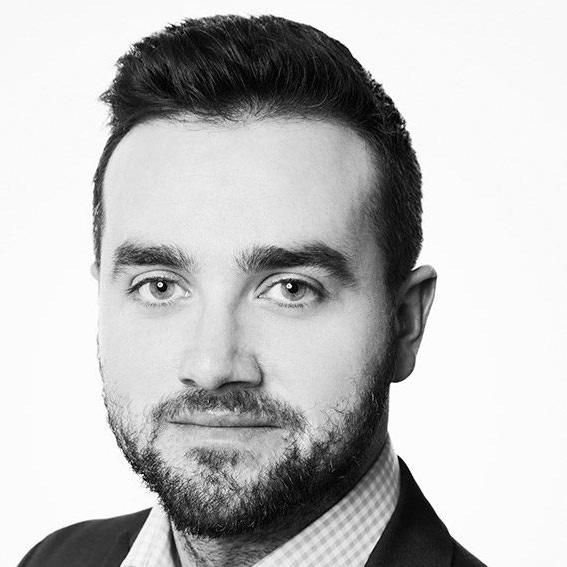
02 · The guest
Max Meltzer
Founder & CEO, Strive Gaming
Max Meltzer is a entrepreneur and investor. He is the founder and CEO of Strive Gaming, a B2B Player Account Management business that serves North America. Customers include PointsBet, Golden Nugget (DraftKings), Four Winds Casino, Genting and beyond. Shareholders include Betsson, OpenBet, Knutsson and more. He is also a Venture Partner of Astralis Capital who count PrizePicks among others in their portfolio. Max's previous roles include as CCO at Kambi and having founded other businesses such as Simply Sport Management, a sports management agency back in 2012, a company that still operates today.
Follow Max on LinkedIn →03 · Inside this episode
Moments worth queuing up
In their own words
“To be a success as a founder, you have to have the guts to fail.”
“No one actually cares enough about you personally. Only you care about you to that extent.”
“Don't prioritise financial milestones ahead of everything else.”
“Whatever happens, prioritise family.”
Full transcript
Read the full transcriptHide full transcript
I had an entrepreneurial background. I failed or not achieved what I wanted to do or felt that the industry wasn't right. Pivoted back into employment and then I've pivoted back out again and I realized is to be a success as a founder you have to have the guts to fail. If you don't have the guts to fail really you shouldn't do it. No one actually cares enough about you personally. Only you care about you to that extent. Do feel like oh what's everyone going to think? No one's actually thinking anything. What I've personally learned over the last couple of years is not to prioritize financial
milestones ahead of anything else. You are a better business person if you do put more priority and focus on your health and on your personal and wellbeing. Whatever happens, prioritize family. Put all of your values first. You know, set your most important boundaries cuz they're your foundation and support. There is a quote that I love from Nelson Mandela where he says there's no passion to be found by living a small life and that really you should pursue having a great life maximizing everything that's available to you. Welcome to the I Gaming Leader Podcast where we uncover the human side of some of the most inspirational
leaders in our industry. I'm your host Leo Jutkins and as an ex eye gaming director turned performance coach I've worked with over 200 leaders from companies like Entain, bet365, Flutter and many more to help them build the habits to achieve sustainable high performance. In these episodes we share exactly what it takes for you to achieve the same. So with that being said let's dive in. Hey everybody, welcome to the i Gaming Leader podcast. Today I'm joined by Max Meltzer, founder, CEO, and investor, and someone who's raised millions to launch Strive Gaming business serving some of the biggest brands in North America. But behind the boardrooms
and big deals, Max is a is a dad whose favorite part of the day is dropping his daughter off at school. He's a gardener and he finds meaning in in nurturing life. a really empathetic leader who's who's learned the hard way that health and relationships can't wait for success. So, super excited to talk to you, Max, because this is the stuff that most people don't see, right? They think that it's all glory and success and I know your your story is is, you know, full of challenges and and overcoming those. So, u yeah, really excited to talk to you. Welcome to the podcast. >> Thank
you, Leo. And wow, what an intro. I mean, I'm not going to get a better intro than that. So, thank you, Leo. And uh it's strange also to hear an introduction that chucks in some of those personal attributes into it. I think people are probably going to be very immediately wanting to know how or to find out that I'm into gardening so much in such an opening intro is quite a stunning one. But yeah, it's to your point. Yes, it like we were just talking the founder life setting up businesses like yourself like what I have done and other founders you meet. It's incredibly difficult, but
it is a great community of when you get to know the founders who are behind businesses of all sizes, the difficulties they go through, the grimes, the failures that they have, uh, and then the the new births of other opportunities that come from it. And I love it. And the more I the longer it goes on the the you know the more I understand about the the strains of of founder life but also the gains which are not just financial it's being part of something exceptional where you can grow and hire talent build super exciting. So yeah anyway in any case thank you for having
me on the uh on the show. It's the stuff that you can't learn in school and it's the challenges that really shape you and and where you I think I mean over time your identity massively changes. You've obviously gone from you know a really good career at Cambi to founding your own business and we'll we'll dive into that in into that massive switch that must have been quite confronting as you uh as you first identified some of the challenges that you were going through. But I wanted to start with this, Max. When you look at your life and career right now, what's the feeling that
comes up for you most often when you when you reflect on kind of your journey so far? >> It's interesting actually because I was a an entrepreneur ever since I was fairly young. I suppose I ran a music agency when I was doing my A levels trying to contact it was like music film composers and stuff like that actually at that time. And then I went into work for free originally for a sports agency. Eventually got a very small sort of part-time job because I was willing to work for free, but also I was I actually utilized Facebook at a time when lots of people
were using Facebook to contact footballers and and I was part of a cricket agency and a golf agency called ISM run by Chubby Chmer who had Rory Maroy at the time and and others. And then I set up my own agency called Simply Sport Management. And I did that for a a good few years. I raised a little bit of money then and from a a well-known Nottingham based manufacturing owner who was getting into sports who actually became CEO of Glasgow Rangers a few years afterwards. That was a moderate success personally and that I did I was able to sell shares to exit that business
but it perhaps wasn't as wildly successful nor was it necessarily the industry that I actually felt that I wanted to be in. So I think I I loved the football agency world but it ended up being quite a a very strange world and it wasn't really for me. So but at that point you know I actually then left that and went into employment and that's the sort of angle where at that point in time you might have considered yourself to have failed your entrepreneurial journey or uh let yourself down in some particular way but I I felt I needed the chance to reset. So I
went back into employment started to learn really I was given a great opportunity by someone called Andrew Oers at the press association who then uh is now at sports radar and there's some great people like Tim Ryder who was at XBnet now and through press association went on to get an offer from Eric Lberk at Cambi and so on and that's where my sort of journey back to sports and then it went back to the uh progressing as uh and setting up something as a founder which I'm sure we get to talk about but what I emphasizing through that is I had an entrepreneurial background
felt like for whatever reason I potentially may have found failed or not achieved what I wanted to do or felt that the industry wasn't right pivoted back into employment and then I've pivoted back out again and it's been a success since but it's to have that taking those risks I think has been very that has actually set the foundations for a successful founder life later and actually perhaps I think you have like for me personally I've realized is to be a success as a founder you have to have the guts to fail and if you don't have the guts to fail really you you shouldn't
norm and if you haven't failed then you probably haven't tried hard enough somewhere so yeah that that's kind of where it's led to today so it is a founder story back into seeing those hups and back into the success and enjoyment that we have today or I have today >> really amazing story Max one of the things that's really stood out for me from from what from your story is that you said something like some people would deem that a failure going back into employment and I can feel it now as well. I've kind of done the opposite. I've always been in employment, started my
own business and I've I can so imagine how hard that decision must have been going back into employment. Can you tell me a little bit more about that like that transition and maybe some of the decision making and the emotions leading up to that decision and how that felt and why you feel that others might see that as a as a failure? >> Well, I think you know if you ever set any business unless you're having a major exit or uh some spectacular moment, it could seem like it's it's a a failure. And even if you do get a little exit like I did of
my shares, it's not a it wasn't enough to sort of sustain a new way living. So going into employment could be seen. But then actually what I've realized over time is no one actually cares enough about you personally. Only you care about you to that extent. Do you know what I mean? That that was you know when you come out of that you do feel like oh what's everyone going to think? No one's actually thinking anything. And by the time anyone gets round to it, even if someone did have a if someone had a negative thought about, you don't even want them in your life
anyway. So it's kind of like actually you've got to do it for you, whatever is right for your own circumstances. And I I suppose what I did it with is a vision that I would one day go back out and do my thing, but I needed to learn some more about particular areas of the business. So going to press association at the time was a was for me wasn't leaving sports. It was going into a data and technology part of of sports where I felt that I would have more control. I think when I came out of the agency world, I felt that players will
do whatever players want to do. Football players are likely a whole industry, a completely fickle bunch of people and there is no real loyalty. But if you build your own technology, that is where you actually own it, control it, can develop it, etc. But that so really there was um I suppose there's method in the madness and as long as I you you I think for anyone who's in those situations is do do whatever is right for you but also do have some sort of reasoning behind it. As long as you got that reasoning you'll know deep down why you're doing it. So I think
that's why I wanted to take that step is into and yeah and it's right there might be perceptions but I I sort of just in the end didn't care. >> It's this whole story from from Steve Jobs right about connecting the dots looking backwards. It's always like afterwards it makes sense and looking forward you kind of do it because it feels right from you know the way it feels in your guts or not because anybody else tells you but yeah so that makes a lot of sense. um as you as you went through those transitions, Max, what's what's a what's a belief or a value
that you feel has changed the most for you over the over those last few years? I've been lucky enough through the business even for example strive to be able to do some secondaries and I've been able to have a very you know develop a very comfortable life for myself and for my family and it's given me an opportunity to make personal investments and continue in my own personal pursuit of wealth and generational wealth creation for for my family and and I and I still am probably even more driven today than ever and and I've been part of a venture firm called Australas Capital as well
as venture partner. I've learned a lot, but I I think what I've personally learned over the last couple of years is not to prioritize financial milestones ahead of anything else. I definitely think that um you are a better business person if you do put more priority and focus on your health and on your personal and well-being, mental well-being. So, it's only probably only in the last couple of years I've really put huge amounts of effort into. You talked about the the the the gardening which I find is just a very uh digitally unplugging experience because I think that's also imperative to get away from and
it's you very much is close as you can get to nature and nurture and you realize that 80% of anything you you grow or whatever is going to wildlife rather than yourself. But maybe that's part of the part of the gig. But um even health, I've put a lot of time now into tennis and paddle and trying to make some time for myself, which I never did before. I almost felt like as long as you hit financial milestones, then you can get round to your to your health cuz then you'll be in a much happier position. But the reality is your milestones are going to
consistently move all the time, which also is, I suppose, healthy that you've got continuous milestone evolution. But yeah, you can't be in the neglect. And I've actually found the healthier I am, which doesn't mean I'm in a superb shape, by the way. Now, there'll be people watching go, well, I've seen you, Max, you're still uh still got a beautiful tummy there. But, um, it's I'm certainly more healthy than I ever been and since I've been running Strive, that is. And it it certainly helps in decision-m I and I I do find, you know, inspiration from CEOs that I've seen have got an amazing sort of
work life balance. Pontis Lynwell who's an investor Betsner investor in Strive he he has this amazing ability of you know maybe it's ultra cycling or whatever he's got as his his interest which maybe I'm never going to be in that world but you know most good CEOs have some sort of healthy outlets along the way and I think that's something I've had to learn is try and incorporate that in my own structure because it makes me a better person and uh that helps me with clarity and better decision decision making. So that's really what I've learned the last few years. >> That's such a good
story, Max, because it's it's so true, right? We we kind of we park our health and relationships and family uh and ourselves very often just to hit business milestones or financial milestones thinking, all right, once I'm there, I'll uh you know, I'll sort it all out. And well, a a that once I'm there actually never happens because we keep moving we keep moving the finish line and uh b it's like you found right it's the opposite. So so what's what's the moment when you realize that mate like I I think very often those kind of transformations they often happen in these kind of pivotal moments
where we get confronted by ourselves or by someone else or or by a scare whatever that is. So, what was the moment where you realized I've got to sort this out? >> I don't think there is personally something that is as drastic a moment for me. I mean, basically, it hasn't been that healthy, right? I realized I put on quite a lot a lot of weight, etc., which I haven't dropped. So, it's not like I'm here saying this is an amazing dropped a bit. Not an amazing I'm a lot healthier than I I've been for years. But uh I think we've it it was more
of a moment that I it it cannot continue being that everything else is prioritized it because it actually didn't I start to realize it hadn't made me feel good at all times. You know I wasn't feeling and what is the point in what you're doing if you're also not enjoying a lot of life at the same time. So I I started to that's probably the point where I started to analyze you know what is everyone else doing started to read a lot more started to open my mind up to other uh people and and their views just so I can understand what's the best and
I started to realize by being actually spending more time actually enjoying the things you want to do or being healthier actually benefited everyone including myself. So I just felt that I was going on the I start I just somehow started to realize that the journey is fantastic on a business level but I'd somehow been leaving myself behind. So maybe that why it wasn't a drastic moment is maybe I've been feeling it for quite a long time and and then somehow at one point body went enough is enough. Let's try and uh address those aspects and find a greater life balance. And I think I found
that by listening to podcasts, reading, everyone has a balance. But I suppose everyone has to find it at some point. And you think it comes naturally and you hear all these things. You read and you listen and you don't necessar it doesn't necessarily land, but at some point it does land. And uh I found that point definitely found that it's been much more fruitful for me to to have that positive mindset and and get out there. So that's where I'm at today. >> Yeah. Yeah, I guess you kind of need two two things to happen, right? On the one hand, kind of what you're describing. On
the one hand, just hearing it from others and seeing others around you that are really successful and and have a good balance, take care of their health. And on the other hand also you feeling that you know maybe not hitting this you know deep dark moment but seeing that things are slowly getting worse and then kind of almost um projecting that forward extrapolating it and going well that's not going to end up in a great place and then those two things together >> they they create the change. Yeah. What have been some of the some of the biggest things you've noticed from that in so
particularly in business? You know, being a founder, super high stress, you know, you constantly flip-flopping between different topics. Business could go up and down. We were talking about this metaphor from Elon Musk about, you know, staring into the abyss and and eating glass. So, what are some of the things you've found you've noticed from from just taking better care of your your your the balance in life? How's that affected you and your business? >> If I just look at the the the opening up of the community, tennis paddle, all that racket sports and stuff like that. What I realized is I ended up opening a
group of people got about got a WhatsApp group. It's about 40 people inside it. We just try and set up morning plays or something like that before school or and you actually realize there's lots and lots of execs that would like to do that. If not, you'll find people that also are, you know, even people that haven't addressed their own fitness issues who are more than welcome to join and play as well. And you end up having a greater community of people, investors, business people who you can connect to. I think one of the big things I'd say from a health perspective is that yeah, if
you do look at CEOs that look after themselves, they're usually playing sport, whether that's golf, whatever it is, or they're usually combining it with business. It can be combined. So look at that as the I found that is the best example I found around fitness and and that side of things. But um I mean first always found that you got to whatever happens prioritize family. Put all of your values first that are your most you know set your most important boundaries because they're your your your foundation and support. I think there is a a quote that I love from Nelson Mandela where he says something
along the lines of there's no passion to be found uh by uh living a small life and that really you should pursue having a great life maximizing everything that's available to you. butchered the quote, but it's along those lines. And it that's something that resonates with me because it's important in all angles to feel that you're actually contributing. So for me, it's it's not just in in business or my life. It's charitable work I do with charity called Thrive, etc. Yeah. At the moment, I'm really just trying to be the best version of myself and trying to expand my horizons. I feel like I'm growing
more opportunities, being a little bit more positive around people, positive mindset. So, I'm just trying to spend more time finding the best version of myself, which is definitely a maturity thing as well. >> One of the things that I really love about you, Max, is that you're highly uh empathetic and that is so difficult as a founder, right? Because you've got to make the tough decisions. It's a on your in in your case, it's a real superpower, but it's it's also a liability, right? It's also something that can really get in your way. So, can you share a moment where maybe criticism or or judgment
has hit you harder than you expected and and how how you dealt with that? >> Anything that you do, right? Even if you're building a company, if you get criticism around the company for whatever reason, you're going to take it personally. I've adapted to care less for the benefit of them and myself. Had to be just got to continue to to build a thicker skin. That's all part of the of the game. But at the same time, I'm trying not to go too far because I'd like to believe that that humility, the normal aspects of me is why I am where I am today. So
I don't want to be at extent when I I'm a leader who really doesn't care that much anymore because like personally the view I have in myself is I'm probably not the smartest person in the industry or this room or anything like that. I probably just feel that I'm someone who's worked as hard as possible and I'll be there every single day and I'll offer that discipline and hopefully I'll get results and I don't care where I am the environments I'm in. I can I believe that I'm person who can communicate across any threshold. Maybe my honesty can be both a bad thing and a
good thing. But maybe that honesty is what draws people to me and makes me more likable and more investable. >> The thing is also you obviously you shouldn't change yourself, right? You should just be authentically you and that's like that's your superpower. It's what makes you good at you know any area of the business, right? That have being able to put yourself in into somebody else's head and trying to understand them and that empathy I think is key to business development, investment, any any any area. and um yeah, trying to compromise on that is probably not the right thing to do. >> You're just going
to have to accept that there's going to be some some hard hits from time to time, but that is the road, the lifestyle of a founder, I think, or any business person. Just find a way of being a little bit have diversify your risk in whatever terms that means for yourself and just enjoy things. So, that that's probably where where I'm at. I've found in the last few months, I've got a coach that I meet once a week for an hour at a time. I find that highly beneficial just to recalibrate my thought process around working. He in particular has tried and focused me on
looking after myself because he believes that the biggest asset to a business I agree is you know looking founders have to look after themselves and whatever that means it could still be completely business focused and around executive priorities but it's making sure you're you're isolating that time for your for yourself. I think I've shared this in LinkedIn before. I don't journal about myself but I journal daily to my daughter. I write to her what I have done since she was born a daily journal just talking to her about what's happening around her, my feelings, my experiences, thoughts around me. And I also find that to
be incredibly cathartic, but also takes me out of it. If I'm ever stressed, that is an amazing way of completely removing myself from whatever I'm thinking and activating a part of my brain that is parental responsibilities and and objectifying the whatever is going on to a point which totally calms me as well. And I found ways over time to deal with what's around me without changing me. But the certain things like that, little little additions I found to be incredibly powerful. >> Yeah. You say they're little. I think they're massive, Max. I don't see many people doing that. I mean that journaling and writing to
your daughter, right? That that's that brings a also a level of empathy, but also calmness and kindness to how you maybe judge yourself throughout the day, right? Some of the mistakes and challenges that you go through, you're going to word them in a way that perhaps you you wouldn't talk to yourself like >> Yeah, I agree. >> That's such a powerful powerful exercise. So they kind of go hand in hand because it's so easy to sit in isolation as a founder and CEO and to you know stay inside of your own head and to make those decisions in isolation doing your best of course and
and making those decisions to the best of your abilities but having an outside view and and vocalizing things writing things down talking them through with someone else they absolutely help you clarify some of those thoughts you might have around the really tough decisions that you can't talk to to anybody else about. So, have you have you found that as well? >> I think you I think you've absolutely nailed exactly the experiences that I've had. I mean, you're exactly right. When you're German to my daughter, I'm completely softer language completely and I'm much better at assessing the overall situation or opportunity that's in front of me
and trying to actually give advice. And the weirdest thing of course is me giving advice to her is probably me giving advice to myself at the same time uh prioritizing my family's been a massive part of that and uh I think everyone will do that but if you don't I think that's the worst thing possible is not to prioritize family and cuts at your values and never cut your values. >> Well, you say that dropping dropping your daughter off at school is is the highlight of your day, right? And uh I love that. I think it's it's such Tell me a little bit more about
that and um yeah, why that's so important for you and and kind of what goes through your head when you're thinking about that afterwards as a as an overarching thing. >> You know, it's about a 25 or 20 minute drive at best. And I find it's the best time that I have with my daughter because first of all was a lot of singing like any young girl I imagine. Lots of singing, lots of K-pop at the moment which is crazy. But um I've got no problems in the summer if the windows down, let people know. But I find that after like 10 minutes in the
journey, I don't need to ask her any questions because she starts then bring forward her own discussion points and she starts telling me about her previous day. So rather than me having asking her and her how her day went the day before, she tells me the day afterwards in the journey. I I find it very grounding, very humbling and I think there is nothing more important than your family. So, I would never sacrifice that experience. And my long-term ambition is just to always be able to drop her off at school whenever it's possible. But I wouldn't I wouldn't go as far to say that I
do this for my daughter at work and stuff. I've got a very different opinion on that kind of conversational piece when people say I'm doing it for my family because I don't think that's necessarily true. But I'm not necessar personally I'm not sure if that's that's good because I want to be intrinsically I am intrinsically motivated personally and know I get a lot of energy meeting people and I meeting founders and love giving them advice how to invest or if we want to invest in them or how to raise and sell and everything else that goes with it and even my own business around strategic
elements but it comes from inside but the benefit is they that I get to do great things with my kids but it's those little times. There's magic in all of it, but I don't I don't It's a It's a byproduct of what I like to I'm motivated for rather than buy. >> It's amazing, Max, how you prioritize that from a intrinsic motivational perspective because I think that's so important. we this it's so easy to to look at what the world expects from us as dads as founders and to kind of just go with that and be someone that perhaps I don't know we don't feel
we are so that intrinsic motivation piece I think is is really crucial not just for doing it but for actually enjoying it and not having to pretend to be someone that you're not right and I think that's really important and I wanted to dive into the gardening bit. Tell me a little bit more about the gardening. It's something you do with your daughter as well, I believe, and and something that you find massively helpful for disconnecting. I can totally imagine it not having the phone there, not having the the busyiness of life. So, how did that how did that start and what are some of
the things that you're uh you're noticing from it from just kind of getting back to nature? >> I can't believe I'm really talking about it really on a on a podcast, but I suppose you bring out all this information out, but it's great. I mean, that's why people love listening to you and and what you do. But, um, yeah, I mean, I do the main focus is vegetable gardening. So, I I I love growing the fruits of our labor, so to speak. I find it very exciting to be able to take to actually take all various different crops or whatever you whatever you're trying to
grow, taking it from seed, trying to give it the environment to to to grow in. uh to see how every year can be a different experience for whatever you're trying to grow and the impacts of the conditions that you're surrounded surrounded by. Learning a little bit more all the time and then growing things that you might not have thought you could actually grow and watching it over time is an amazing experience. I find it you know very relaxing to be away from the yeah to be away from technology completely is massively important to be actually engaging with life. It gives you a bit more of
a a grounding that you know when you're lost in all this stuff that you're you're traveling all these planes you're actually back in the in the dirt and growing things is is I think it's very calming and that that that's what brought me to that charity that I work with called Thrive. That is a charity that helps with mental health through gardening because I think it's a ma it's it's actually amazing. Uh, I would highly recommend gardening for your mental health because it's highly rewarding and it gives you an escape and a a personal pleasure and actually you spend more time in your own thoughts, more
solo time or more time with your family and yeah, I I found it incredibly incredibly beneficial. >> Makes a lot of sense, Max, because the you know, if you've had burnout, for example, you talk to a psychologist, the thing they will tell you is go back to nature, right? And so just being able to switch off and having a a place where you can do that. >> There's a guy called Hector Hughes who's a wonderful founder who runs a company called Unplugged and he runs cabins all around the UK and Spain where you have an opportunity to take a few nights to basically unplug. I
love the idea of it. I love shouting out founders for doing great things and I think he's right at the forefront of creating those kind of experiences for people. If you if you find it difficult at home, maybe you find a way of getting away from it for a few days. >> It's a good way of actually having that reset, right? And and maybe that then helps you in your day-to-day life as well, where you then realize from doing that for a few days that okay, I can actually incorporate this in day-to-day life as well. >> Totally agree. Totally agree. >> So, take me back
to that moment of, you know, leaving Kami and founding Strive. I'd love to hear a little bit about that journey, how that started, what the decision-m process was for you, some of the challenges, maybe some of the self-doubt. So, can you talk me through that that period of life where um where that was all happening? >> I was chief commercial officer at Cani at the time was very much working closely with Christian Lilian, the CEO, who is a very methodical thinker. the time we had from let's say 2017 when we were spending a lot of time in particular US being the attractive new market potentially
was coming towards Cami at the time spent a lot of time with Kami and the rest of the team analyzing the way that we would enter the market licenses and uh office locations and hiring plans uh investment levels etc. spent a lot of time into that, a lot of early meetings in 2017 and then it did indeed happened when Pasma was repealed in 2018 opened up a huge opportunity for Cami at that point. I just hired who is now my co-founder Damian Shereeb and uh another amazing salesperson time was Sarah Robertson. We actually had a really really cool team. We had a really great tech
guy in there, James Lechford. We had another sales guy in the industry called Ross M just pulled together this really sweet commercial team. I actually remember it can be them saying that the CFO saying I've take a bigger budget, hire more people. And I actually said no. I think that's that's very rare. Uh most people do just take more budget to hire more. But the way I saw it is you you as long as you have a very good sales process you a and a good split of territory you'll know the capacity in which people can work and to get the best out of people
sometimes is to have less than more but in in to summarize between that group we ended up doing the so many deals in North America absolute graft and some great market intelligence work and reproach that was unmatched commercially that made us do deals with DraftKings, Rush Street Interactive, Parks Casino, Pen National Gaming, Senica Nation, Mheagen Sun and so on. And as one point can be had 54% I believe all wages, regulated sports wages were going through Cami system at one particular time. It was uh the height of everything and obviously there was attractive buyers for Cami at that time. It was a very exciting time. But
what I did identify in America is the ecosystem wasn't necessarily well prepared for the regulations that had occurred in the US and a lot of the player account management systems that were available at that time were not prepared for that. they were readyed for social casino or were actually quite archaic pans and we would know that more than anyone because cami didn't have its own pan still today doesn't have its own pan which means that for cami or any sportsman like that to take a wager they have to work with other pans so we we always had to bring other player account management companies into
deals whoever they were so David and I had a very clear insight into the strengths and weaknesses of different PAMs in the marketplace. And we identified that there was a space for a a very adaptable modular player account management system that could adapt easily to regulations in the US to to be brought to market. Well, I was strategically thinking that Cammy should have owned a pound themselves at one point. It was something that I was pushing for. Um I believe that our you know it can be and I think this still is probably the right decision. It is is that they've been very focused on
being the best at sports book that they could be. That sometimes that niche focus is very important. And in fact that niche focus for Strive has actually been one of the major benefits of why we're as successful as we are today. No one in the US or Canada has more B2B operator customers than Strive does. But it was an interesting time because our pre well our seed round to get started was an investment from Betson into our business. And the reason why Damian and I went out to to build the business and seek a operator like Betsson was because we knew in America it's so
important to have a proof of concept and make sure you're actually licensed and live in America. People wouldn't believe or trust in your capabilities. Everyone was trying to get into America at the time unless you were actually there. No one really believed that you had a capability of being a successful business. So to raise the the the money we did from Betsum, they would then become an operator in Colorado was was very important to us and we knew that they also wanted to enter into Ontario. Uh but obviously that was it was difficult when we left Cami because I think people were unsure if we
were setting up something that was going to be competitive to Cambi. And I don't think we could reassure people enough that was not what we were going to do. And I'm sure that you know if I was in the the Christian's shoes or anyone's shoes at that time as a CEO it would have been quite scary for me because that meant with they you know me as the CCO and David as my right-hand man taking a big chunk out of the commercial function was was difficult but we obviously we we tried our best and I can tell you that you know I worked my entire
notice period at at Cambi. I gave everything to making sure that the handover was as smooth as possible, hiring the right people, encouraging promotions of the relevant people I thought would be fantastic like Sarah who is phenomenal involved in hiring their new head of account management who I hear is doing great things bring helping them with HR. And I'm a big believer as well, by the way, that when you exit, exit really well. Like bring value. Show value. Show when you walked out the door, they go, "Wow, he really did a great job and passing it on and doing." And that that was that that
was something I wanted to do. I I would always do and I I'd love to see that from from everyone. Candy have been were very good at that you know in in in understanding that part even though it was there was some underlying concerns about the competitive nature which there wasn't it was a necessary time for for Damian and I to do that because we hugely driven and ambitious and there is a point where you can only uh you there is a delta of course between what are your you're able to gain by being in certain employed situations compared to what you can achieve getting
out there being an entrepreneur and it's well some people ask me do I have any thoughts about regrets or like not not in an instant it's been an amazing lifechanging journey taking me to where I had always envisioned or hoped that I would be and we're now on a journey that could take us even further. in life and even to be in a position where I can now give other people advice about fundraising or building businesses is a beautiful place to be. So it it did it's not it came without its bumps and bruises on on the exit and I think that is something you're
going to have to come with. But everyone now retrospectively everyone's very respectful what's been achieved by David and I at Strive the way that we did leave it on exit and we've tried to do our best and I think being professional in any transition like that is it just it just is really important and we made that the the the pivotal part of our plan was to do well by our previous organization. and and thank them for the ability to given the platform that we had to learn and and be as successful in the US which we've now built on top of. It's such good
advice because they're not just I mean people often talk about that the industry is smaller, you might work together or you might be competitors later on and that's why it's important to exit. I think that's all nonsense to be honest. I think it's just it's just a nice thing to do, right? And I think um just just being mature about it is such a such a key behavior that we should all display more of. If I hear in interviews, for example, someone who's actually saying negative things about their employer previously, it it really deters me. >> Yeah. >> First of all, every employer has given
you an opportunity even if it didn't work out. Companies are all at different stages of their progression or life cycles, adaptions. If you hear about redundancies, again, that's something I hear redundancies as well. It's like it's an highly charged, emotional time for certain companies when they do that. No one really ever wants to do any of this stuff. Companies are not are a collective of of humans just trying to do their best. And I think you you whether it's an exit or interviewing you just representing yourself to show your what you achieved and being respectful to previous employers. It's so attractive. It's like this person
like they could be really great in our business. They're not going to, you know, when they leave they're because all people tend to leave at some point for their own career progression. We tend to find at Strive that we're like, you know, we then get a lot of our people get head-hunted by the top businesses because we like bring through people and maybe we're not going to be able to match the salaries of fanatics or whoever, but we give people opportunity. We just do it. We like to see people that are respectful. And I think that I only expect what I did myself, by the
way. And I'm a big believer in that as well. I only expect of people what I would do myself and a big part of that I think is just being respectful and holding your values high because it it represents you all the time. And also on the other side of the table right on our side of the table when you have to go through redundancies with employees or you have to lay off someone because of underperformance or whatever it is uh same kind of thing I believe you know even if you don't believe somebody is a is a great performer treating someone with respect and
dignity I think is crucial because that might be because of something happening in life or whatever it's I think I think it's just such a good character trait. to just be respectful to people. >> I had someone who we had to let go once and I had a phone call from someone who said, "Well, would you recommend them?" And I gave him a a raving positive review of that person and why they should be given the job. Um, even though I I kind of know that that person doesn't really wasn't happy about, you know, how the business and you how it may they might have
felt about the leaving. And I think that that's that's how I feel about most people. I actually think that people can thrive in other organizations and there's so there's been no angst in in any of them just we all move on to our next opportunity and do what's best for us and our families. >> Yeah. So true. I just want to talk a little bit about uh your founder journey as well Max. We've spoken about kind of leaving Kami starting starting the business. Um you've also mentioned kind of the that the founder grind drains you even when you seem found fine on the outside. You've
mentioned things like roller coaster moments of founding strives strive. Uh can you talk me a little bit through kind of the ups and downs and especially the things that maybe people on the outside wouldn't necessarily expect um and how that's how that's formed you and your business over time. >> So there are so many aspects of it. I think one one one thing that we've I've learned a lot about is the fundraising aspect of it. So obviously talked about the seed uh round investments that we got from Betson but you know a few years later we did raise money from uh open bet as a
lead uh investor in that that sec uh that later round followed by uh companies like or firms like the nuts and kuts and holdings who are large share of net and strus capital. And and fundraising in itself is a very can be of course a very stressful experience at different times. Different years present different cycles of the economy and how cash flows and cost of cash. The dynamics today of course is differences you see of the expectations around AI implementation, the impact that that could have on the the growth of your business. uh the the the potential competition that that could create. Uh and I
see that in the world of fundraising etc. people really looking at how AI can ex exponentially grow businesses alongside that you know level of board level once you get more investment in you then have to become quite the expert at how you uh manage those influences in your business. uh sometimes you might find there are conflicts even at board level doesn't mean like drama conflicts but you know different directions of the interest for investors and so on and so you find yourself in this new you you can go the founder journey wise you go from being a founder who's operationally in in the everyday to
then realizing you're spending a lot of time in the in the strategic and board level um focus and trying to bring people along the journey. Uh I think you you certainly learn a lot about how to spend the money that you do raise or invest and how to make it more efficient. There's definitely for us one of the key learnings we spent a lot of time on. I'd say they were actually more like key hires, bigname hires at the time with good brands behind them, but that was kind of part of an important part of the marketing push in the earlier days to get recognition
because look, we were going up against people like Playtech and so on. I mean, these are massive brands and we're just little old Strive coming into America. So, we spent a lot of money in that. We didn't spend a marketing dollar per se, but we spent it in big hires that would looked incredible when you were sat around a table. But over time really it it became more of a grind investment in product and people and the the more the smaller you could make it the better. You know, we had a big office in Vancouver, Canada. We still have a core group of very good
people in Vancouver, Canada. Perhaps we didn't need to go as big as we did there in the the first instance. We might have found that our, you know, one of the learnings we found is maybe we wanted to have a 24/7 tech support sort of setup. But again, maybe we we should have kept it smaller, more focused in the earlier days. But these are little nuances of every company where you start to figure out retrospectively what could happen. But you the the to the point of the dayto-day roller coaster, you know, the roller coaster you could win a deal, but then you could lose an
employee who you thought was going to be a longterm with you or something like that or you have a technical issue or at the same time as you closing a new deal, there never seems to be this very calm day that you that you have. So even though it's more exciting, you're getting more revenue and everything else, there's there there's always more issues. We're very lucky that we've got great a great tech team, a really great tech leader. That takes that does take a lot of the the the strain and stresses, but every day can be quite quite the battle. And um you know I
think to our conversation I think off air before is really the founder in the founder apart from some of the the big moments closing a big deal or new investment a lot of time the founders are only being presented with some of the worst bits of a business because you know something's happened or you know because otherwise it's working fine doesn't need your involvement. It's only usually you tend to only find out some of these worst aspects and that's a that's that's that could be quite a drain in itself, but it's something to to overcome. All that really matters ultimately is you've got to drive
revenues, reduce costs, focus on your bottom line to at this point in in in the business because we've gone past just the grow at all cost type scale at this point. And that that that in itself make means you have to make some very key decisions. Um and I think it's about you know it actually focuses your mind a lot more on talent talent retention hiring the right talent. There's a lot of time and effort that goes into that and you have to be very very careful in your approach to that. And so that that that's from a founders journey perspective. It's again, it's tougher
skin trying not to get to be able to deal with those roller coaster moments because that is all that life is is roller coaster moments and finding the right people around you, the right talent that you can trust in and really putting your head in the numbers is where we've ended up in our founders journey. And that that's the kind of advice that I'd say crucially to anyone who's running a business now is to try and find your your head about and also equally if anyone ever wants to talk to me about this stuff I am open to I love talking to founders as well
and giving any advice I can and learning myself. I think we all have to be good continuous learning journey and uh I certainly am but yeah that's that's probably a bit more on the the founders journey side. Can can I just ask you about the like that transition that you mentioned there in the beginning right from kind of being more operator to more strategic? I think that's one of the biggest mental shifts that founders have to make as business scales. There's obviously different levels as we hit 10 employees 25 probably 50 probably 200 that those probably the kind of the milestones on how business how
culture in the business changes as well and where but from a founder perspective I think that's the biggest that's the biggest change that needs to be made right operational to strategic uh letting go of the work how did you find that Max how what was what were some of the things that you found most difficult and maybe some of the learnings that you've had that perhaps would help other founders listening to this as well. >> I think the first curveball on that learnings that we've had is that whilst you're going through that experience, so are your employees. What you'll find is those star people in
your first 10 hires might really struggle when you get to 50 because they want to be in everything as well like you are. And you find that whilst you might be struggling with the growth, they also might be struggling the growth. And the problem is there are some people who might be really good being employee 1 to 10 who would be really horrible at employee 50 because they just can't adapt even if you really try. And that's not a negative thing. People have certain roles in certain organizations to thrive. Just because someone doesn't work now doesn't mean they're bad people or bad at what they're
doing. But they got to find their cycle. There are founders like that. There are some founders who just can never get past being the the original power-ups, the generators, and then they hand over to other CEOs as they go, which is also good to know. I think what I found is also being aware fully what kind of CEO am I uh and what kind of where do I fit? I don't think there is a single CEO out there that is a good CEO for every type of business. And that's important as well. You could talk you whoever you're inspired by as CEO put them in
a different environment. They're not necessarily going to be successful. So you it takes a certain kind of mindset. But yes, from my own mindset to have gone from being in the weeds every single day. I think what happens is talent really ends up telling you. So our CTO like you uh you just back up, >> get out of the way. >> You get out of the way. what I've personally tried to identify. If I don't feel like I'm adding value enough, then I shouldn't be in those discussions because there's even more damage that I can do. I'm a CEO. If I suggest something, someone might
feel they should do it because I've said it doesn't mean it's the right thing for the business. So, I try to stick my head in where is actually adding the most value. And the and what I am learning is to only be in those conversations so that I can add value. The best advice I get and I consistently get and I don't necessarily sure I do implement it but I am trying to implement it is only do the jobs that you can do and I'm really trying to bring that into my work and I can only recommend that to others as well because otherwise you
are wasting your productivity and what you can really bring to a business. So I my my highest recommendation from what I've seen as being beneficial is to look at what you've got in your calendar and your what's coming up and decide is that only you who can make those decisions or do those things in that in the in what's in your calendar if not start wiping away and finding out who to delegate to who can do that or something of that. So I think that's important particularly as you scale. >> Okay. Uh last question for you Max. So we spoke a lot about your daughter
and your balance it have in life and the journaling which I loved as well. So my question is what legacy do you want your daughter to see not not just for you as an uh CEO for you as a as a father? I want her to know that she was at the forefront of everything that I thought and acted around that I gave everything I could be and do to be there for her. I want to encourage her to be a very confident person. I want her to feel that I gave her the the support and the tools to be a good person. I want
her to always feel that she has been loved throughout everything. So that's important of the journal is that she knows how special and loved at all times that she she is. And for me the representation for her is that someone that was loving that cared that was fun because I think fun's important. We don't live these lives just to be these, you know, boring monsters. We want her to to and I do I do try and bring that into business to do your and likewise for her. I just want her to be a confident and fun time in life and enjoy what's out there, you
know? So, I don't see them as being unachievable objectives or unachievable shows of who I am to her. They they're almost the things I want her to remember me for are the things I can do every single day. Not specific milestones or he did this or he was X. I just want her to know those those parts that are the loving and the fun, the hardworking, caring aspects. I want to remember those. Love it. Thank you very much, mate. Great uh great podcast. Thank you for sharing so openly and talking uh talking through it all. Really appreciate it. >> No worries. Enjoyed it. Thank you
for joining me on the i Gaming Leader podcast. If you enjoyed today's episode, head over to iamingleer.com for more conversations and insights. Don't forget to subscribe to this podcast. I'm your host, Leo Judkins. I hope to see you next week. [Music]
This episode is sponsored by


The AI platform for marketing automation used by leading iGaming operators. Turn player data into real-time engagement to deliver timely, relevant experiences and strengthen retention and loyalty across every touchpoint.