
01 · Watch the episode
The full conversation
Watch on YouTube ↗ — if the embed above says restricted, it's a block on your network/Google Workspace account, not this page.
Or listen on:SpotifyApple Podcasts
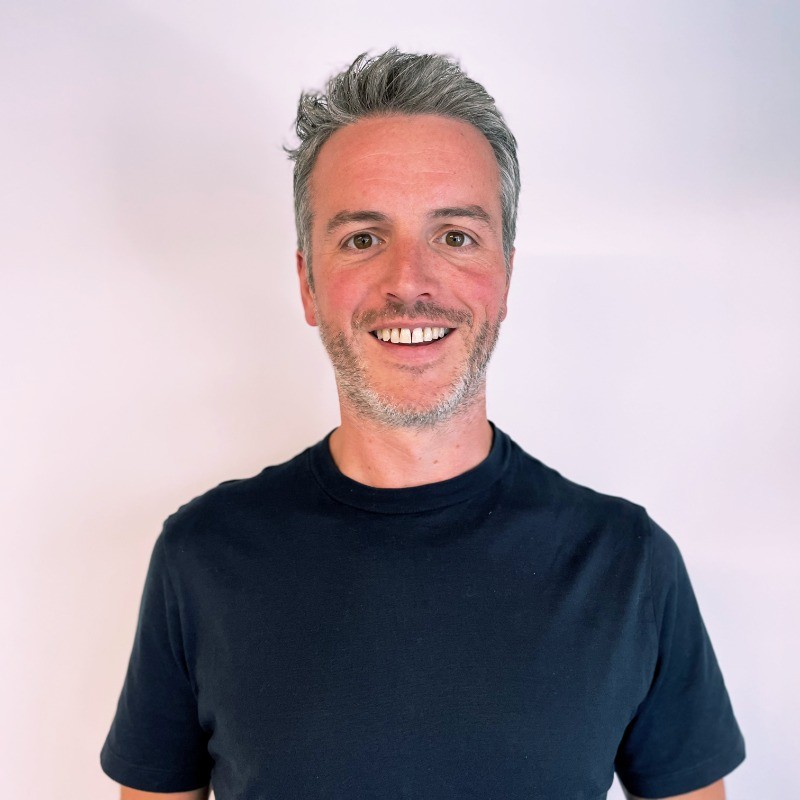
02 · The guest
Rob Fell
Former COO, NetEnt and White Hat Gaming
Rob Fell is a highly accomplished iGaming executive with extensive experience in C-Level, Director & VP roles across Product & Operations in FTSE 100, FTSE 250, and NASDAQ Stockholm listed companies. His career spans from British Army officer to leadership positions at major gaming companies including NetEnt, White Hat Gaming, GVC Group, and Paddy Power. Rob is known for his expertise in post-M&A operational transformation and building high-performing product teams.
Follow Rob on LinkedIn →03 · Inside this episode
Moments worth queuing up
In their own words
Full transcript
Read the full transcriptHide full transcript
I tried to play both sides and there was some lack of authenticity there was me not staying true to my values and one person in particular called me out I learned that lesson in a pretty hard way and I thought i' I thought I'd lost a quite a close friend uh because of it and I will never forget that welcome to the igaming leader where we bring you insights from sea level Executives and Industry experts to help make I gaming a place where High Achievers can Thrive today I'm I'm joined by Rob Fell who many of you will know someone that has worked at net
end GVC Patty power and many more in his 13 years of I gaming experience he has seen it all he shares with us lessons about authentic leadership about the challenges that he's faced and some of the petal moments that have gotten him to where he is today please join me for an exciting interview that will leave you inp IR ired to take action on your journey in your igaming leader career hey Rob super excited to have you on the igaming leader welcome to the podcast I wanted to start off with asking you what were some of the perhaps the misconceptions that you had early on
in your career about leadership in in the I gaming industry I think initially when I started a product role definitely within Europe and within gaming product managers was a new term right people were like that's something that people on the west coast of the US do and there's like startups and silicon value have product people so it was all new my misconceptions were that the people who were in more senior roles than me were absolute experts in that role they were absolute experts in methodologies and and understanding why and these people were like product gods and I think actually what I'd learned over time was
they were really no different to me or you and there were someone who maybe had been around even months longer than you not even years longer than you we're all figuring out stuff as we go I kind of looked up and almost idolized some people I've had some really good mentors and that's been amazing but actually the people that I kind of looked up to at the time like well I I could have done that and I think the the message to people coming up through the ranks and and doing these things like we're all learning together and we're all trying to be better versions
of what we're doing and there is no real kind of jump between here and here and here it's just the fact that someone got there a little bit before and and thinks in a slightly different way so really the misconception was that I I idolized a few people and and really there was no difference between me and them at that point how how has that affected you rob as you were progressing through your career most of the people I speak to and I experienced it myself as well go through this this kind of this feeling of being an impostor right and feeling that you have
to have it all figured out and the reality is that none of us do right none of us have it figured out and we make it up as we go along tell me a little bit about how that's affected you mentally and personally I think that kind of that imposter syndrome thing is quite natural in most people um I think there's obviously going to be a few people who who who don't feel like that or claim they never feel like that I think it it does go away and and I think there are there are sort of key moments where you go actually yes I
I don't need to feel like that anymore because I've proved myself we've done this we've delivered this as a team actually and then you have moment of retrospection and you go actually yeah I do understand this stuff I am quite good at it I got somewhere because of it and I think I think you have those moments of of retrospect from you get to there but actually I think having that kind of imposter syndrome and it always coming back keeps you humble and it keeps you it keeps that sort of humility there and it it allows you to really empathize with other people and to
have proper discussions and be more authentic around this I think it's a good thing I think you need to have those moments you go actually yeah I'm doing I'm doing a good job but having that impostor syndrome does keep you humble yeah makes a lot of sense tell me a little bit more about kind of that progress that you made in your career and what some of the key steps were that you took that perhaps helped you make that progress was it all luck was it performance was it skill development what were some of the key attributes that help you progress quickly through your career
I think luck definitely has a part to play and timing definitely has a part to play and obviously we we're going through Cycles of of this industry and I think I was very lucky that I joined when I gaming was very very new if I look at when I joined Patty power we we were in a division called paty Power non- retail and we were sort of about 10% 15% of the total business uh we struggle to get any resources within the wide organization so you have to be very resourceful and I think that really helped me in that we didn't have any bi support
we didn't really have any Dev support we didn't really have any sort of shared functions that were helping us so a core team of us taught ourselves everything we taught ourselves SQL on how to pull and build reports we taught ourselves how to use all the comms tools we built out Journeys and flows and things and ran reports at 6 o' in the morning to engage with VIP customers so I think that was a key part of the journey that I covered so many different aspects of an i gaming operation and product role that I really truly understood them and then the next part was
I then made a conscious decision that so I started in Bingo and I had no experience of online bingo i' never played Bingo before but I started in in Bingo that's Ed enough I was very fortunate to get that role and then I thought well I want to move across to live casino I want to move across to RNG Caso I want to experience wider parts of the business and especially when I got to both Dublin with Patty power and then jial with garc coral I made it sort of my goal to learn the final role to learn business intelligence to to learn how it
how my part of it interacted with the wider organization and I think that's when you can start to go from really sort of being a manager and focusing on tasks and focusing on sort of lower level stuff to really then sort of embracing a vision and understanding The Wider business and I think that was definitely by Design rather than luck that I spend time learning every part of the organizations I was part of I think that helped and then and then after that I I basically then kept on with that and thought well I've done this with this type of organization I then wanted to
go and get experience and I think the Lotter land role was was a key one understanding something like secondary betting on lotteries and scraping lottery results from Hong Kong and using results to then make other types of games and building up building out games and payment methods for Brazil like all of that was like something I'd never done before with with a a business like GC Coral so it broadened my experience and then it's then LED on to the other things that I've done and get a really sort holistic view of the industry which has definitely helped yeah love it I often call it t-shaped
knowledge you know t-shaped where where the kind of that bar that that kind of vertical bar is your your in-depth knowledge uh when it comes to your specific product area in your case right and then the horizontal bar is your your width your breadth of knowledge uh around uh how you interhab that interacts with other functions of the business which is I think absolutely biotal because it helps you understand how you can actually shape an organization and apply your unique you know your unique understanding to it okay so what's one of the most surprising lessons that you've learned over your career when it comes to
leadership what are some of the things that you know you perhaps a project that you ran or a decision that you had to make that was really surprising to you um I think the the surprising thing in a very fast-paced industry is actually being patient and I think it took me a while it's very natural for me as a person I think in this industry that you want to you want to rush you want to get things done you want to deliver you want to be sort of proving that you can get stuff done and and see results um I think actually one of the
most surprising things is especially over the last couple of years is learning how to be patient and learning how to get that message across to the teams as well that yes we are doing what we can do to grow the business to generate Revenue to this but in some regards you have to be patient and you have to you have to wait especially where regulation is involved and Licensing and and other sort of compliance factors right being patient and learning how to lead teams through those challenging times when they all want to rush ahead at a million miles an hour and you really can't so
fact how do you how do you pair stuff back how do you keep delivering what you need to deliver how do you pivot and focus on the things that can happen whilst the bigger picture is let's be patient let's wait for this state to regulate let's wait for this to happen let's wait for this approval or whatever it might be and I think that that's really the thing that I've learned over the last couple of years is Quicks are really less sustainable and once you get into that sort of patience careful planning trust the process then you really start to deliver figger results and coming
back to the health and fitness discussion we've had about trusting the process and and and making sure that that it happens properly is the the key to sustainability yeah love that so I want to dive into that a little bit more R because one of the big issues and one of the big challenges I suppose in gaming in general is that we're under a lot of pressure to perform right we're always we're always we are very a very short-term industry when it comes to results and delivering delivering impact so how do you just to kind of to to maybe C tell that a bit like
one of the things that happens I feel is that especially when you're a little bit younger perhaps you're not fully confident yet on standing your ground or or fighting for that patience it can be very difficult to find that balance between actually having the patience for something to work out but also having the pressure on bottom line performance right so how do you how would you advise somebody in that position to deal with something like that I think it's about always being authentic and always being yourself and trusting that you are you're in that role because you've shown something great you've got some level of
of of knowledge and understanding you led teams you've managed people before and actually the sort of the leadership function around you has put you in that place because they trust you they believe in you and I think when you are kind of under those short-term pressures the best thing and the right thing to do is be able to be yourself and clearly articulate that to the leadership function around you whether that be a manager the the CEO the board whatever it might be you need to be able to stand up and say look this is the reason this is happening this is what I think
we should do yes we can absolutely go and try and get these quick winds and take these boxes off and whatever the low hanging fruit is and and maybe there's a maybe there's a balance and maybe it's a yes we're working towards this which is the the longer term goal and this is the the right thing to do for the business but we can take off a few of these other boxes at the same time and and it's about being confident enough to believe in yourself to have that discussion with the the leadership team around you and I think definitely when I was in more
Junior roles and and growing up through this I probably didn't have those discussions and and you're too scared to have them and actually when you do have that discussion the the weight's lifted from your shoulders and and I I've always found that the key people that I've worked for whether that's of Lon s or pery DM or Gavin Hamilton her white be those people they get it and they want you to have that discussion with them and suddenly the wait lifted and and the working environment is a lot better both for you but then for the teams working for you as well so I think
that's kind of the advice I'd give is be yourself have those discussions you're there for a reason and it's expected like people don't expect everything to go 100% right or at the pace that someone demands all the time right life happens right that's all part of the journey things go wrong and it's how you communicate them and it's how you move on learn from it and then do something else so let's talk about the other way around so what do you look for in leaders that you perhaps work with what are the things that the qualities and the skills that you really value maybe some
of the behaviors that you find important for somebody to step up into a career and and to you know to gain f for their positions or leadership roles and if they would work with you there's there's a little bit around kind of mentorship there as well and I think in terms of what what do I look for I look for when I'm looking at to who do I want to who do I want to work for who do I want to work with who I do want to engage with it's someone who I can learn from and I think always having that kind of that
growth mindset of I want to be able to go into this role and deliver in this role but I want to work for someone who's going to help me get better and always be a better version of myself that's something that I've always lit and being fortunate to work with some very good leaders and and managers who had mentioned a couple of them already and then with with people sort of working for me I so I'm a firm believer in not having proper job descriptions not having bullet point lists of what someone needs to do and I'm a firm believer in hiring the person for
the person and then them sort of adapting into the role and a role fitting that person and someone who is always curious always wanting to learn themselves always wanting to grow what they're doing and always wanting to sort of deliver in the right way and help grow The Wider business that for me is someone who will move from being a team member to being you know sort of a a leadership or management position within that team to then really going on and growing themselves into leadership rool so it's a it's a combination of sort of curiosity growth mindset and those things with but really being
allowed the space to do it and I think if you P if you pigeon hole someone into this is your job title and these are six bullet points and you must have this educational background and this I think you're always going to fail and you're never going to hire the right people into your team and and then they're not going to grow and and become what they can become yeah really completely agree with that that must have changed over time as well for you though right like moving from some of these big corporate Giants to more of a startup Vibe I suppose where you're in
now that like where where you're more agile perhaps you have more creativity and and space to to allow you to do that whereas maybe in a bigger corporate environment there's some more rigid processes and and procedures that you have to follow so looking back now then Rob if you would if you would have to you know I'm just thinking about the roles that you'd have companies that are now in T and flutter I suppose what would you do for people that are there in in such a bigger corporate environment where you know there are these procedures where perhaps that flexibility they feel people might feel
that that flexibility isn't there if that's even true yeah I think I think that last breit is is is key I my experience and I can't speak of the flutter and the M today but but my experience especially with with GVC at the time now and was there was absolutely that um flexibility that yes yes there are HR processes and there are other things that you you have to to do and and to make sure that you're hiring the right person have checks being done on them are they going to need licenses what is their kind of what are their credentials and those things do
happen yes but still I was part of a team that was highly creative in thinking and coming up with Solutions as to how do we solve this problem and that came from chai and from Lon and from the why especially the product team there but we absolutely as As Leaders within that had the flexibility to go and shape our teams in the way we wanted to to basically go and yes there's budgetary constraints and you have to fit within sort of a bucket there but within that you can re you can sort of prove that you can do whatever you need to do and it
was a case of okay so I needed to fix this within the the the live per space or we had these challenges within Integrations and game launches for example so how do we go about and do that and it's really about it comes back to having that conversation with the right people and making sure that you get it done and I I'd had a great relationship with with luron and and could basically shape the team in the way that I wanted to so yes huge organization even at that time we were buying lots of companies we were doing platform migration after platform migration we were
in as much as we could as quickly as possible but still there was the space for that creative thinking for bringing the right people into the team who I believed in and then helping those people grow and within that organization and and others i' I've been a really strong believer and I think actually in every organization I've worked in from from Patty power to to NetEnt to to white hat the number of people who I believed in from a customer supp support from a payments team from those types of roles sort of Entry let's call them entry level roles into into ID from other people
like the number of people who you've seen something in them and said well let's bring that person from their their casting support role into an igaming operations role whether it be on the casino game launch Team or marketing executive or whatever it might be and then follow their career and help them and and basically see their journey and the number of people who've gone from those types of roles now into leadership roles who are pairs of mine is absolutely incredible to see and I've been happy to support a number of people along that way I think it I think that's something that we're good at
as an industry and it's something that sort of if there's leaders out there in this industry who haven't come across that and haven't done it then jump on it now make sure that people are flowing from those types of roles into inters I think that's absolutely right you know it's a fast-paced industry but also an industry full of opportunities we grow very quickly a limited talent pool so just working hard doing the right things and making sure you like you've said a few times now authentic is key there so so you must have had you must have made some some really difficult decisions throughout uh
your career as well tell me about something that's been really hard and that maybe even kept you up at night and how did that work out what was some of the chall biggest challenges you faced there's a very simple answer that the hardest parts that I've been involved in were uh at nend in so 2018 2019 2019 sorry when we were going through rounds of redundancies we we were sort of streamlining the organization net andard sort of been been up there as a as a number one game provider for for a guci years and and da like Starburst and Gonzo press and were still living
off those there'd been a new management team come in and S myself Andy Whitworth Brian Upton have been there a while and then we had to go through rounds of redundancies and I think for me to that scale I've never experienced it before and I've never been in a in a leadership position so they those were definitely the most difficult sort of times of like processing it getting through those and and sort of rationally rationally coming to these are the people who will remain and these are the people who will go and I think within this industry it's I can't speak for others really but
I have a lot of friends in the organizations I was working in and people that I'd worked with for years and people I'd hired into my teams because of personal relationships then when you when you look at the data and when you look at the reasons why we need to do this what's the bigger picture for for this organization I needed to let those people go that that sort of coincided with Co lockdowns and people of different nationalities living in different countries we're about to go into this very like like whatever it was March 2020 no one really knew what was happening with the world
did they and suddenly we're going through of redundancies whilst governments are making announcements and lockdowns are happening I think those are definitely the the toughest times and it taught me that you need to constantly communicate with people and I think probably most people out there who are who listening to this have seen the the Facebook and the Tik Tok streams of the of the two guys who are are reading out the WhatsApp messages between of employees and and and manager than what makes a bad manager and I think I have a conversation with that person have a conversation early I let people know the reasons
why the bigger picture I think the worst thing that i' seen and experienced is redundancies being made via messaging people being told in a blind kit format and there are definitely companies within the gaming sector who s fall and foul of that and so had some negative PR because of it but I think for me it was all about especially those people that you're close to but anybody in the team have those conversations early discuss it be open be authentic as I keep saying let people know I think those those are probably the hardest times and then the bits to answer the second part the
bit and I'll split this into two questions even though you didn't ask two questions the bit about authenticity this is something that I really learned over the last few years and S of staying true to your values like I'm I will be one of the first to admit it I've been called out and there's been a certain person who I worked with closely at metan and in my early days at and I tried to play Both Sides I tried to play kind of their yes we're going to deliver this to the team and yes I'm going to be friends with you we're going to get
stuff done we're going to collaborate and there was some lack of authenticity there was me not staying true to my values and one person in particular called me out it's a lesson that I learned very very clearly at that stage that you need to stick to what you're saying you're going to stick to don't say something thing to one person and say something to someone else you quickly get caught out called out you need to be transparent you need to have clear and honest coms throughout the whole thing and and I learned that lesson in a pretty hard way and I thought i' I thought
I'd lost a quite a close friend uh because of it and the conversation we had on the phone I will never forget that it triggered something and I think from then on you have to be completely offensive pivotal moments they're always the best on there you know they're very hard in the moment themselves but they they changed the trajectory that you're on and and and that's so crucial hey and so I wanted to dive a little bit deeper into kind of those difficult moments how's that affected you personally like I don't know what you're saying about you want to have those conversations but before you
actually have those convers when though like especially with redundancies we've all been there we've all made people had to make people redundant the difficulty is that you know earlier then you can actually have that conversation right so and that's going to affect you personally you're going to sit there at home you know or at your desk thinking about all these people that you've brought into the business that you've worked closely with that you respect as well that respect you that potentially are at risk of moving and then you know you start thinking about families and then you know having moved abroad all those things so
how has that affected you personally and what are some of things that helped you battle through that it absolutely has effectively personally and I think I think you'd have to be a pretty sort of cold heartless person if it didn't affect you I like these are these are people people's lives whether they're whether you just see them as a team member which which I think is is the wrong way to to few people anyway or they are close colleagues people who become your friends who are then impacted yet they they have families they need to make a a living Etc they have mortgages to pay
whatever it might be and I think it absolutely does affect free and in some of those times at netent there were sleepless nights there were how are we going to do this how going to have that conversation I went through a phase of wanting to put things off until the last possible minute and I think I think that's probably like a a natural reaction is how do we delay this and and that that I learned from that that that's the the wrong thing to do that's why I've said before like have those conversations as highly as possible be as open and transparent and up front
as you can yes especially when they're public LED companies you probably can't have that level of discussion that early but actually like doing in the best possible way um and I think like relating this back to kind of the the previous discussion we had like I went through and and I've been been open with the whole industry about this like you go through those times when you you basically you don't focus on yourself you don't have the ability to you're you're sat up like drinking like most nights you're basically using tactics to try and sort of like not think about it and at the whole
time you're you're not doing the right thing for you for your family or for for the the people who are going to be impacted so yeah I think it's it very difficult times but what it's taught me is that you you need to sort of have that that balance between your life and what you're doing with work and I think getting that right really helps things and it gives you a better perspective it gives you a sort of a more grounded approach and it allows you to have the right conversations with the right people at the right time thank you for very much Rob it's
one of the biggest things is that is exactly what you said right very often when we have those difficult moments whatever that is it doesn't have to be redundancies but whenever whenever we have to have difficult conversations or there are things that we just don't want to do because they're uncomfortable the easy option is to hide away from it and you know compromise on your own personal health and well-being so that you can delay the thing that you inevitably have to do anyway so how has that changed over the years for you and i' first like you to talk little bit about kind of what
life was before as we've talked about in in a previous recording that we've done what life was before and how you deal with high pressure situations now I think the thing that I've realized especially over the last sort of four or five years and probably sort of from the the the the GBC days onwards where I think that's really where I went from being a sort of manager into leader is setbacks are all part of growth and like things will fail and it's how you learn from both setbacks failures like whatever wherever they sit on the scale of things not going quite right it's it's
it it it's how you learn from those how you take those and how you how you grow from it but not just yourself personally but how do you bring a team along how do you sort of face those things on headon that's really the the main difference of sort of my combining kind of leadership roles plus my change in my sort personal lifestyle health and fitness and everything is I did use to hide away from it I did used to pretend there wasn't an issue I did used to worry about it but pretend you're not worrying about it and I think the the main change
is whether it's the cumulative effect of of all those learnings over the years or whether it's those kind of key pivot moments and and a key trigger it's all of that coming together and you go actually I do need to face this headon it is better to discuss this as soon as possible it is better to take that time to like sort out my nutrition to book the time in to go to the gym and I think I did really sort of focus too much on the wrong things which then gives you no time for those other things suddenly when you switch it and you
start to go well I'm going to block out my calendar for an hour and a half this morning because I am going to go and like spend time with my watching kids or I am going to go and do that run session while that strength session in the gym or whatever might be like suddenly then you you free up so much more mental capacity but time as well to get stuff done so I think the the key message here is that that flip from like shying away from things right and and then to to to facing things head on and just attacking and and going
getting it done that's one of the big things isn't it it gives you meent of clarity like making Spa create space in your brain so that you can solve problems more effectively and you will get more done in less time by actually taking care of yourself and I think that's one of the big things that both you and I didn't realize for a long time because drinking seems like the better solution when you're stressed and and there's absolutely turn in the place for that but it's facing your problems head on to to actually create space and to be able to solve problems quickly and then
making sure that you have a full tank taking care of yourself and and your own mental energy and performance okay so uh you've talked about mentors quite a bit tell me a little bit about some of the some of the key people in your career the people that you've looked up to and the qualities that you feel they had and how you embody those qualities or try to embody those qualities in your own leadership role now the key people in my career have been the people who have wanted to spend time with me as a manager as a Junior leader growing through sort of the
various roles I've had wanted to help me help me understand the bigger picture help me understand sort of their leadership styles where they're coming from and and and really they've been the people who've asked the most questions they haven't been you need to do it in this way they haven't been kind of you need to go and read stepen covery and do this and do that and being highly theoretical and whatever it's been people and and I think the first person I really came across who who sort of called me in and helped me understand was K vrom and and I for me I I
went to to Gala in a in a quite a jior product role in the in the Gara Casino team and prepare to call me in and to say Rob take me through this right help me understand why this is happening help me understand why this is a good thing getting me to articulate and to explain for him sort of what we're doing why we're doing it and I think he fully understood what we're doing and why we're doing it but it was drawing it out of me and it was helping me grow from being a product manager to being a product leader within that organization
I think the things that really mean a lot to me is someone wanting to spend that time and someone wanting to help understand I think that's something I've then translated into working with teams and growing teams over the last number of years is is really going and spending time with people sitting down with them and understanding why and how and I think if you if you look at someone like Gavin Hamilton as well like when um when me acquired red tiger I'd know Gavin for years we'd worked together briefly in Patty power in 200 on a few projects but I didn't really know him and
sitting down with him when Ness anuad red tiger seeing how he approached things how analytical data driven s from a an accounting background and and that really helped me and and it's it's those people those moments those interactions that when you piece all that together and you've got pair with one set of qualities you've got Gavin with another and then you've got Lon I think those three people that have helped [ __ ] my career there's many others but those you people and you got Lon who would demand a thousand things from me and you'd be like come into my room let's whiteboard this let's
do this let's do this let's do this let's do this it was constant it was like it was like constant energy and flow of ideas and deliverables and then on the other hand you got someone who's much more measured and and and sort of let let's talk about this let's figure it out and then someone who's highly analytical and I think piecing all those bits together you get a picture of kind of like why do I think like I do it's because I've taken all these influences and piece them together those are probably some of the the key bits and for anyone becoming a leader
in this industry and and gr through roles like grab those moments like everyone will work with somebody within their organization or in their Network and basically utilize those people's experience and then and then figure out what works for you and piece those bits together and I think you only grow and you become Who You Are by taking influences from various different sources yeah it's never it's never about a management book right it's always about what you the Styles you see in others and the things that you see in others and how you even incorporate that in your own your own personal Journey okay so last
thing really from from me here around kind of your leadership what does that look like now what does that look like in your role now what does your future hold what are some of the things that you Aspire towards and and things that you would like to you know see and grow towards when it comes to your leadership role interesting question if we look at kind of leadership evolution I was really lucky that I left school and before I got into I gaming I went to Sandhurst and I did Officer training and was a a jior officer in the British army for for a number
of years the reason why I'm saying this is one of the key Concepts that we were taught and sort of a key part of British military Doctrine is a thing called Mission command and and that's about understanding your commanders intent so really understanding the vision the mission the values and and the intent and then having a team who have a framework have the tools training and understanding of how to get to the goals that they need to achieve so that was ingrained in me from a age of about 18 19 there something that I truly believe in so there's obviously clear boundaries and there are
budgetary constraints there are you can't cross these lines there is in our sector regulation and compliance but having that kind of level of mission command and having autonomous teams who can fully understand Mission Vision value intent and then be go go on to be able to deliver things I think for me as a continually growing leader within this industry that's the sort of teams that I want to to build the culture that I want to Foster and I really see it as sort of my part of being an effective leader is helping these environments grow inspiring people to want to be better for themselves to
deliver the right things to the company to sort of have diverse perspectives and and all those sorts of things and I think a lot of that stems from the true belief in in Mission command which is a underlying sort of fundamental for me so I think for me that's kind of where I am right now I'm obviously part of a a startup organization we are growing very very quickly we have people in multiple locations we have challenges like anyone else in the in the industry does but we've got a great culture and a great team who are overcoming those challenges as quickly as possible and
delivering exceptional results I'm very lucky to have a good sort of right-hand person amazing right-and person who is building that sort of culture within the team in Bulgaria and together we can grow this to be an exceptional organization so I think for me that's kind of where we are now and for me in the future it's about continual learning it's about like having the s sort of discussions where you you do have that retrospective and you go oh yeah we've talked about this I've learned this let's go and apply it and I think really it's about how do we take this to the to the
next level how do I make it an even more High performing organization than it is right now one final bit that for as I've been talking and thinking of a key sort of fundamental part of it is making some decision for me is better than making their own decision and this is kind of a Manel that I've lived by throughout my career there probably a loot of people are going to call me out on this and going you can't make that decision that's a really stupid but but actually if you procrastinate and you don't make a decision that is worse for the organization for the
teams for the cohesiveness than making some decision right typically if you make some decision uh and and there's parts of it that need improving you can improve on those but actually making no decision and being paralyzed is is far worse than than making no decision at all I think taking that culture the bits Around Mission command the bits around sort of what I've learned the bits I've from various different leaders gets you to where you are now and then like you need to continue to improve to to to become a better leader love that Rob because and and it all kind of ties together what
you're saying right because one of the key things in most organizations we want to create autonomous teams and very often we find it really difficult because we feel that the team is maybe not up to scratch yet and they perhaps they're not not high enough quality but very often they're not high enough quality because we haven't developed autonomous teams we haven't been delegating M enough right and we haven't been delegating decisions who've just been de delegating tasks and therefore these you know allowing people to make decisions in a way that maybe you even disagree with as their manager is absolutely crucial for you having more
time and being less operational in your role so I I really love that would you agree with that yeah absolutely I think I I had a discussion recently with someone for a mentor within the industry and we were discussing a a company had some specific issue we had the discussion and and it basically comes down to 80% of the the problems are usually due to culture and communication they're not normally due to developers being awful or this person being wrong or this strategy being wrong whatever it might be it's usually down to uh cross team communication not existing Poe culture within the company and it
it really does bore down to things that are are that simple and whether it's a a lack of understanding between a product team and a compliance team or a legal team and whatever it might be it's normally just down to teams being too siloed not understanding the the bigger picture and sort of the the the broader reason why and when you sort of distill it down to that and and you get to a point where actually and and these things are far easier said than done when you get to a point they're like well if you just talk to each other if you get on
the same page and coming back to the comment I made when I called out for sort of not being true to myself and being an authentic it was it was my area of the business and this guy's area of the business and we weren't on the same page and we were we were fighting against each other because we weren't and as soon as you fix those issues Things become much more cohesive so I could really agree and I I genuinely think that a lot of reasons why things fail are lack of communication and of poor culture within an organization rather than poor quality of people
sometimes even fear of judgment right very often when we feel that kind of impostor syndrome perhaps we feel that we're we're fearful of making the wrong decision because we we're we feel like an imposter for being in that role and therefore we involve all these other people so that we don't have to make a decision and uh and we get Decisions by committee which is the the easiest way to have a mediocre product right 100% I think I think there the wide of it on that is when you first go especially when you sort of grow with the industry when you when you I think
the first time that you're responsible for hiring people for me that was that was one of the most scary things in this industry and I'm sure there's other people out there and and just related fact to what you just said like suddenly I I've been trusted in this organization I've been given a budget and I've been told to go and hire people I was like I never I've never hired anyone before I I understand how a recruitment process works I understand like these things I can I can probably Google at that time or get some training on about what what interview questions should I ask
but actually that was the scariest bit of going from of being in a team to managing a team to Leading a team is the the the scaling a team hiring is is the first hdle you have to jump over and then you then get into like how do I Inspire these people how do I get the right culture how do I do this but but yeah when you first make that jump like even even the simplest thing they're like sending out a job offer and going well is this the right am I going to cost the business money have I chosen the right person and
yeah making that decision is pretty tough and I think others will probably probably find out yeah love it okay very last question for you Rob if we go back to young old Rob being in his product manager role what's the one bit of advice that you would have given yourself if you teleport back to the past I can tell you this with hindsight and I've kind of followed this is for embrace embrace the learning curve and really sort of go with the flow get as many experiences as you can um speak to as many people as you can I think I I probably B four
or five years into my gaming career that the things I spoke about and they sort of leveraging the experience of of those people and and taking on that sort of mentorship from from others I think Embrace that early Embrace that as soon as you can there are so many in this industry who have so much great experience and are willing to share that so to a younger Rob get that earlier there were there were some key people especially in the early days back at Paddy Power who I could have learned a lot more from and I was so focused on doing the tasks am I
doing this right how do I deliver as much as possible that you don't take that step back and and learn as much as you can so embrace the learning curve and figure out the complexities as soon as you can thank you very much thank you for uh this great podcast and being so open and honest always really enjoyed talking to you and thanks for sharing thank you D been great so that was my interview with Rob I hope you found it as inspiring as I did uh really left me with three key takeaways and the first one is that leadership really isn't about having it
all figured out it's actually about the journey and continuous growth and growing together with your team the second is that there is so much power in patience very often in this fast-paced industry we're almost forced to make short-term decisions that you know kind of compromise long-term results so patience is key and the third one is how important authenticity really is it's not just a buzzword it's about making sure that you live and lead in a way that is true to your values to who you really are now if you found some value in this episode please leave a rating and review it helps other igaming
leaders just like you find this episode and this podcast and if you've already done that you're awesome just send it over to somebody you feel might my benefit from this episode as well now I hope to see you next week next week we are actually interviewing a Petra who has gone from being at McKenzie to moving to a diplomat to going into leadership roles where she's gone all the way to the top she shares important lessons about diversity the challenges that she's faced as a woman moving all the way to the top and she talks about her journey to where she is today so please
join me next week for our very next episode and I hope to see you then take care
This episode is sponsored by


The AI platform for marketing automation used by leading iGaming operators. Turn player data into real-time engagement to deliver timely, relevant experiences and strengthen retention and loyalty across every touchpoint.