
01 · Watch the episode
The full conversation
Watch on YouTube ↗ — if the embed above says restricted, it's a block on your network/Google Workspace account, not this page.
Or listen on:SpotifyApple Podcasts
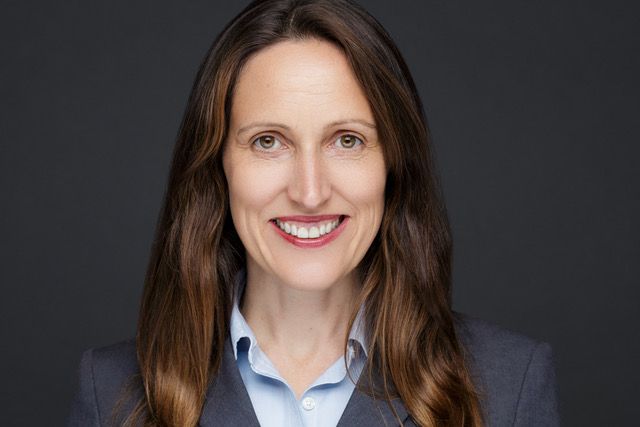
02 · The guest
Emma Blaylock
CEO, Pretty Technical
Emma is an experienced business strategist and technology commercialist, having practised formal management consultancy at Deloitte and strategic investments, acquisitions and cross-group business development at Sony’s Corporate Development and M&A group in the U.S. After Sony, Emma joined Amazon and delivered strategic initiatives to launch and grow Kindle in the UK and other European markets. Emma holds a BSc in Computer Science from the University of Nottingham and an MBA from the Kellogg School of Management in Chicago.
03 · Inside this episode
Moments worth queuing up
In their own words
“No one's going to remember everything at the top of their head and have the answers for everything, that's not realistic.”
“It's okay to be vulnerable around that, right? And honest around that.”
“That imposter syndrome we all talk about... you become more confident in what you can do.”
“It's about having a culture that embraces failure, but then quickly learns from it.”
Full transcript
Read the full transcriptHide full transcript
No one's going to remember everything at the top of their head and have the answers for everything. That's not realistic. It's okay to be vulnerable around that, right? And honest around that and then as a team you grow. So having that support structure where it feels safe to be able to say, "We don't know the answer. We're looking into it." That's a great point. That imposter syndrome we all talk about. I think it's always there, but you you become more confident in what you can do and confident in where your weaknesses are. And as you build teams around you, you look for people that have
the skills that you don't have or excel in those skills. Whether it's being a developer or looking at M&A at Sony or launching Kindle in the UK, it's always been about technology at the heart of it and the impact that that can have on society. and that not being afraid to kind of disrupt launchy e-reading at a time where publishers were wary, authors were wary, consumers, they didn't know they wanted it necessarily. If you don't push yourself, if you don't try things that aren't necessarily in your comfort zone, you're not going to grow in the same way. So, that kind of safety around failing and
learning from those failures, it's really important because none of us will do everything perfectly and right first time. It's about having a culture that embraces failure but then quickly learns from it. >> Welcome to the I Gaming Leader Podcast where we uncover the human side of some of the most inspirational leaders in our industry. I'm your host, Leo Jutkins. And as an exi gaming director turned performance coach, I've worked with over 200 leaders from companies like Entain, bet365, Flutter, and many more to help them build the habits to achieve sustainable high performance. In these episodes, we share exactly what it takes for you to achieve
the same. So, with that being said, let's dive in. [Music] Hey everybody, welcome to the IDA podcast. I am here with Emma. And Emma's helped Sony stream the first blockbuster movie directly to TV before before Netflix was even a thing. She's launched Kindle in the UK when e-reading wasn't a thing. Publishers were skeptical. She spent six years in an optical computing startup and she's now a CEO of pretty technical computer science degree, MBA from Kellogg, led strategy at Deoid's M&A at Sony. But today won't be about PUV because underneath all of that is quote somebody else is a kind, smart, funny, and incredible, humble leader
who's learned the hard lessons of leadership. And today we'll talk about the human side of your leadership. Emma, welcome to the welcome to the podcast. >> That's really nice. It's first time I'm hearing that. No, it's lovely. Thank you. And it's really nice to hear um people talk about me in that way. I mean, that's what I try to be as a leader, you know, and so I I love that someone has said that. >> Emma, you've had a super fascinating trajectory. What's the the thread that connects all of it? Who's who's Emma underneath all of those different roles? >> It's a great question. Um
and I think you know with any of these journeys quite typically where you end up is not necessarily where you think you would end up when you start but there is absolutely kind of common threads going through that. For one, I've always been super passionate about technology. Obviously started did a computer science degree and I wanted to build web applications and that's what I did working in the UK and in San Francisco for the very first kind of com boom being right in the middle of it and I loved that. But as time went on in my career, I wanted to kind of move more
into the business side of technology. That was becoming my passion and thinking about how does technology help businesses thrive? How does technology help customers of businesses thrive and and how can it make a difference? And that has woven through everything that I've done. So whether it's being a developer or being looking at M&A, Sony or launching Kindle in the UK, you know, those things, it's always been about technology at the heart of it and the impact that that can have on society. Yeah. So that that's, you know, where my core passion has been. And I think the other part there is working in in an
industry in companies with initiatives that are truly exciting and innovative and disruptive. I love that. That's what drives me is the innovation the you know making things better the change that comes with that and yeah that's that's the common thread. >> You mentioned that working with um with Jeff Basis during during the Kindle UK launch was really motivational. you were saying you reported to the daily on progress and weeks would go by really quietly. You wouldn't really hear anything. >> But then something would happen and you would get like this super detailed question or push back or issue back from him showing that he's really
invested in that UK launch. Right. >> I mean that was incredibly motivating. Right. We were so Kindle had launched in the US already and we were the next market. So you know it was very strategic for the company but we were geographically remote from that you know from the US team in Seattle and exactly as you said there was a lot of attention around the launch and then it was these daily reports around you know how many how many titles are we selling what titles are available what not out of the best the top hundred books and and you know and it would record we'd
record it daily and Amazon as you probably know is very analytical data driven company and decisions are made from the data. So we would produce these reports and they go off and you you typically wouldn't get that much feedback until suddenly there would be this superdetailed question. And I think for me what that showed me is not only like it's motivational because you realize, you know, how important this is to the business and that they do care and they they're looking at the performance and what's happening. But I think also just um just his ability to dive in like he's doing that across everything across
Amazon and that that is truly quite a special mind to be able to do that to be able to dive in understand quickly what's going on and ask that really pertinent question. A different way of looking at it as well. It's not you know something that you may be completely aware of um or thinking about and he's he was just exceptional at that. And that for me was a real um kind of role model basically in terms of the type of leadership that I would like to like to be. And you know talking to people is not just even asking the challenging questions. It's the
the small things the thank yous the congratulations on doing this and you know not just celebrating the big wins but all those smaller achievements in between that ultimately drive those bigger successes. What do you think the biggest thing is that you took from that? Would it be those small moments? Would it be the the the attention to detail? >> I think actually one of the other things is not being afraid to disrupt what was a really big market for them in the UK, which was the selling of physical books, right? That that business was doing amazingly in the UK, still is, right? and that not
being afraid to kind of disrupt launch e-reading at a time where publishers were wary, authors were wary, consumers had had not really been doing it and they didn't know they wanted it necessarily and what the benefits were. You know, that to me was really powerful. And then seeing the success of it and not only the success of it, but also how it it bolstered the physical reading like it it didn't it didn't destroy that business. It actually made it stronger. So having that belief in an idea and the success of that idea and how that would drive, you know, when there's lots of people saying, well, I'm
not sure about that. You know, I it's not going to feel like a physical book. No one's going to read it or it's going to destroy the sales of this and you know, why are you doing that? So that belief in an idea and and ultimately, you know, it's amazingly successful. And do you feel that that that level of scrutiny, you know, that like really diving into the detail? Did that do you ever feel like pressure because you talk about it from a motivational aspect? >> Definitely like you feel you have to, you know, you got to be on your toes, right? And and it's
there were definitely times when we' be asked a question and you're like, "Oh, what's happened there?" Like we need to find out quick like we can't take long to. And so yeah, for sure it it does feel pressure that can be hard, but it can also drive you. The key thing there is when you're in that leading that kind of team and um is is shaping it in that way. So it drives. So you know, so the team feels supported that there will be things that don't go perfectly. There will be things where you don't know the answer and it's it's okay to say and
find out that answer, but ultimately that drives to a better result. And I think that's really important. Like no one's perfect. No one's going to remember everything at the top of their head and have the answers for everything. It's just that's not realistic. It's okay to be vulnerable around that, right? And honest around that and then as a team you grow. So having that support structure where it feels safe to to be able to say uh you know honestly um you know we don't know the answer. We we're looking into it. That's a great point. >> Have you always been like that? is that's something
that I see with so many throughout my career. I've seen it with people that we've had on the podcast here. It's um it's an area that a lot of people learn throughout their career, right? They they they maybe they run into a wall and they make the mistake of of, you know, maybe selling something in a way that don't necessarily know the answer and they try to pretend and get into a whole lot of trouble and then re and maybe that comes from a fear of failure. I don't know. But um it seems to be that always the most successful people are the ones that
are happy to kind of say I don't know I need to find out. Has it always been for you or did you learn that through time? >> I remember when I joined Deoy one thinking everyone that was more senior to me knew the answer to everything and that's a learning when you realize that's not the case and you see them do something that that exposes that and it's like oh okay that's interesting. And then also, you know, what's even more empowerful is when that's exposed and they embrace it and, you know, are honest about it. And I was really lucky early on to have a
variet I've worked for lots of different types of managers, you know, and that's good because you want to understand what works best for you and you need to work with, ones that you work well with, the ones that you know you you you don't work well with, honestly. Um but yeah, I was lucky early on to see that and in in management consulting it's quite it can be quite a cutthroat environment. you're working at pace, you're ex you're in front of clients. And I remember literally within the first kind of month that I was there, I was asked to run a workshop with the with
a whole host of people from the client around their technology transition from the old system to the new system. And I was petrified that that that like how am I trusted with that? you know, as a 21-year-old who's literally been in the company a month and straight at fresh out of university, you know, you do learn from from those kind of situations and you learn that, you know, you're not expected to be perfect and it's it's it's okay not to be perfect and actually no one is perfect and it's good to be very open and kind of vulnerable around that. So, yeah. So, it's definitely
not something um that that I've always been. Absolutely. I not uh it's something I learned but I I was just very lucky in that kind of early stage of my career to see see people acting in that way and see people that didn't and understand what kind of leader and person I wanted to be. >> Yeah. Did you find that hard to make that transition like just be vulnerable and go I I actually don't know. Yeah, >> it is. Yeah. Very hard. And I think you know when I was young and starting out in my career I was I was quite shy. I was super
techy and into my coding. But being, like I say, that idea of being out there and leading a workshop was so out of my comfort zone. I'd much rather have been there writing some lines of code and and you know, and delivering on that, right? And I've been very happy doing that for the first few years. But it comes over time, doesn't it? You get you become more confident and also more confident in your abilities. That imposter syndrome we all talk about is there. It's I think it's always there, but you you become more confident in what you can do and and confident in where
your your weaknesses are. And as you build teams around you, you know, you look for people that have the skills that you don't have or excel in those skills. And and I just think for me that definitely took time. I think for a lot of people that does take time, you know, to understand and it's not it's not a comfortable thing. It it can be quite hard understanding that but it's part of maturing as well, isn't it? >> And and uh just to go a little bit deeper into into your leadership style and so what do you do when you see that in others? You
know that kind of not wanting to open up or not wanting to admit failure or not feeling confident enough to say I don't know. What do you do when you see that around you perhaps your teams in colleagues in peers? The first thing is to lead by example, right? And show do that yourself. So be open around where you don't know the answer or where you you need help or where you know you you're struggling to do something and you need support, right? Because if that can be seen just like when I was talking about when I was younger in my career and I saw
people doing that, I think that's the most powerful thing. And then I think it's around giving that support like building those relationships with your team and your people that have that kind of open and honest dialogue. You know, I would hope that the people in my team would come to me if they were worried about anything and and feel safe doing that. And likewise, you know, I will expose kind of my vulnerabilities and and do that too. So I think it is very much around creating that environment to have that kind of safe dialogue to feel supported and to feel that it's not only okay
to recognize that but that's how you grow as a person. I talk quite a lot about sort of leaning in to opportunities that you don't feel comfortable about. You know I still talk to myself and tell myself to do that when those things come up. Um, but I think that's really important as well because that sort of no regrets like if you don't push yourself, if you don't try things that aren't necessarily in your comfort zone, me at me at 21 writing my code but actually then doing, you know, leading a workshop, you you not going to grow in the same way. you know, it's
kind of encouraging that and providing opportunities for people to to grow and shine but feel safe when you know it they may not deliver everything perfectly. So, so that kind of safety around failing and learning from those failures, it's really important because none of us will do everything perfectly and right first time, you know, it's about having a culture that embraces failure but then quickly learns from it. >> I often think about this as um T juncture, you know, almost like a a fork in the road where you make the decision to actually lead like that. You lead by example, by being vulnerable, by being
open. What would have happened on the if you would have made the other decision if you would have like hidden away in your room, you know, by behind a screen coding, not being not leading that workshop, not going out in the open, not talking to people, how staying introverted, like how how where would that have led you? I'm so happy that I made those decisions and and didn't say, "No, I'm not doing it." You know, actually leapt in and and gave it a go and tried because I think I would be in a situation where I'd be doing something very similar, but I'd be unfulfilled. And
I think it's not only not only is that important for me personally to push myself and try I do that in my professional care, I do that in my personal life as well. Skydiving and things like that. that's not necessarily something that I would do normally, but I will do it and absolutely do it and I loved it when I when I did that. But, um, I think that's really important, but I also, you know, that's really important for me as a role model for my family as well. I've got two kids, a daughter who's 15 and a son who's 12, and I want them
to see me being that that type of person, that person that, you know, embraces new things and gives things a try and grows from doing that. So when you think about your kids, um, you know, as they grow older and, uh, they get kids, what what are what do you think the big things are that they're going to take away from the way that you lead or uh, both your personal life and your professional life? >> You know, uh, that sort of balancing work and and family um, and and how you do that. And I definitely wouldn't say I'm perfect at that. I'm not so
hard. No, it's so hard. But but they've experienced that firsthand and they see it all the time. You know, me and my husband have have big jobs. We have big jobs and um and that does mean that we travel and we're away from home sometimes or we have a super long day or it can be really stressful at times and it's hard, right, to shut that off and when you have dinner with the kids then, you know, to switch over to sort of putting that behind. And I think seeing that and seeing us struggle with that as as much as seeing when that works well
is really important for them because both of them want to do big things in their lives, you know, different career paths and things like that. But it's it's not all about that. There will be things that come in and challenge that in your personal life. And how do you balance that? There's no perfect answer. And they they would vouch you the fact there's no perfect answer in what they've seen. So I think I think that's the first thing and I think again you know that what I was just saying there like just challenge yourself try new things like push yourself because you'll never know what
you're capable of if you don't right and and I really try and encourage them with that from when they were very small with the different classes they would try to now when they're picking my daughter's picking what A levels to do and thinking about her career and you know and trying to open her mind the the various things that she could do and what that could mean. So I think that's, you know, really important. And then I think the last thing is what I've learned through my career is for me what's most important about where I work are the people and the and the how
interesting the work is itself. Like if you can get those two things, you will fly. And so talking to them both about when they're talking about what jobs they want to do, what kind of companies they want to work in and things like that, you know, is so I've been talking to them so much about think about when you go in for that interview, think about the culture of that work environment, is that somewhere where you think you would really enjoy working, is the person that's going to manage you, is that someone that you would like? Like think about that as well as them interviewing
you and asking you all these questions because if you can work with great people and work do interesting work that you're passionate about, you know, you like you'll be fulfilled. >> It's such a hard thing at that age though and because they they've got to make decisions about their careers based on like absolutely no knowledge whatsoever or or job experience whatsoever. I mean, don't you think that a lot of our careers, uh, certainly true for me, it sounds like it's very true for you as well, are shaped through our experiences, right? The the the managers that we run into that we definitely don't want to
be like, or the, you know, the the the failures that we've had and, you know, the things that maybe we're even ashamed of that we've that we've done where you go, I'm never going to do that again. And of course, as parents, we try to protect our kids from that, but maybe we shouldn't, right? Maybe that's actually what forms them and shapes them. So >> I totally agree with you. I think your experiences absolutely shape you. And like we were talking about when I was at Deoya, I had some great managers that I really loved working with. There's also some people there as are in
lots of big businesses that are not the type of manager I want to be a super cutthroat, you know, or have big egos or whatever. and and you see that and it really sticks with you and you learn almost more from that experience than you do from the positives because it makes the positive experiences shine even even brighter. Right. So you're right. I think we can guide we can share advice but ultimately they have to experience it and and their experience, you know, will be unique to them, right? It it's never you're never going to be able to guide them to the best you can
through everything that they're going to do. they're going to come across things and and that they won't expect and they need to be resilient and able to adapt to that in the way that's right for them. What's right for me isn't right for them either. And it takes time, but like understanding what drives you, what's makes you passionate, what you admire in people, what you don't admire in people, you know, all of that is unique to you, right? >> Love how we stop talking kids here. >> Let's go back to your your Amazon Amazon journey. So, so you left there, you went from a company
with all the resources, you know, to something that's I don't know six years, I think, right? And >> very different. Yeah. Yeah. >> Like during that six years, have you ever had this thought of, oh my god, what have I done here? >> Yeah, for sure. For sure. So, what drove that decision? There's a couple of things, right? one um I loved absolutely loved and thrived from the entrepreneurial aspect to launching Kindle in the UK. uh and then in subsequent markets right we had local teams that we supported then and it got to a point where that business was thriving but becoming you know an
established business and I was already my brain was like what's next I need I need another challenge right at that time and I'd also worked at Sony in M&A and we'd invested in a lot of startups and always been quite intrigued and in excited when I was talking to founders at those businesses and thinking about what that would be like and that's what drove that kind of leap professionally was actually I do want to go and work in the startup I want to be there from the beginning I was the second person that joined that startup after the founder who was like the brains behind
the technology and he needed someone with the business side and when I say business side it literally was everything from you know investment to building partnerships to hiring to managing shareholders running the finance because we didn't you know have a finance manager doing marketing like literally everything around it is where I started and I just I just wanted to experience that and I think also there was a safety net absolutely around launching Kindle Amazon's a big company doesn't mean that they wouldn't have pulled the plug if it hadn't gone well but they are a big company with resources we weren't looking at cash flow we
were looking at you know the financial success of the business so I wanted to experience that and it was always something I wanted to dip my toe in. Um, you know, at the same time, personally, I'd just had my second child and I was looking, we'd with my first child, she was quite poorly when she was two. Um, we didn't know what that was and I was trying to juggle that with launching Kindle. It ended up that she was celiac. You know, luckily that's something that we can easily manage. But at the time it was really really scary and she was really unwell and I
was trying to manage that with being there for her and my husband being there for her as well whilst doing everything we were in a high really high pressure environment and then also being pregnant the second. So we'd made a decision that we wanted to move back to Ipsswitch which is where I grew up. I've got a big family um support system here which was really really helpful and valuable and so we moved back here and that you know that kind of drove my part of my decision to leave Amazon as well. one wanting a then new challenge but also two just geographically I I
couldn't commute into the office anymore and the entrepreneurship you know that was a really interesting because it gave me the opportunity to go back to work part-time actually because I couldn't afford a full-time business person at that point and that worked perfectly for me right with my young family I wanted to do part-time I could throw myself into something super interesting and and really experience that but it yeah it just worked for us in every every sense at that at that point in our lives. And as that business grew, my my commitment to the business in terms of the time I could spend on it
was able to grow as the kids went to school and things like that. So it was a really great experience. I I love the technology is super innovative, super disruptive. um you know uh it was literally taking the processing of data that everyone was using Intel chips for to a completely different level. It's it's still going strong but yeah we were pioneers in that space. So it was really fascinating kind of being in that environment at that time and yeah and I really enjoyed kind of growing with the company. It was it's not smooth. Not a journey like that is never smooth, especially in you
know having to manage that cash constantly fundraising because it was a pre-revenue business. So managing shareholders, we had a lot of shareholders. So managing all of them and making sure them all happy was, you know, took a lot of time and focus and and then bringing in money to make sure the business could grow, hiring people and doing that all at the right time. Trying to just juggle all those balls and let the founder and the technical team focus on what they were doing, which is building this technology for the very first time, you know, was was a real challenge. And there was definitely points
right before CO for example, we were trying to do a fund raise and the technology hit a block and so we had to pause on the fund raise because we couldn't we had to kind of work out how we were going to get around this technical challenge and then COVID hit and the lab shut down and it was like what how how do we manage this you know really uncertain period we had to make cut cutbacks with the team which was really hard. We did get some support from the government in terms of the furow scheme in the UK which helped a bit but it
it was really difficult because we we literally hit this thing at the worst time. You know luckily ultimately the technical team that were amazing managed to work out how to get around that and we could build the company back up. But that was the point where I even stepped back from the company and I went and joined um rocker and then ultimately pretty technical in gaming because we had to bring it right back down just to the few core technical people who could really focus on that challenge. So sometimes you know you have to make these really difficult decisions and it's hard it's hard making
those decisions at the time. Um, so you're balancing all of those things, right? To try and do what's best best for the business, best for the shareholders, but also you're thinking about the team, not just the team that in that case were having to leave us, but also the team that was staying and how do you keep them motivated and how do you keep, you know, make sure they feel secure in in what they're doing, right? That's it's really hard. It's very hard. I think it's actually the the stuff that's often not spoken enough about is with redundancies how important it is to take care
of people that stay, right? Because just staying is not good enough of a carrot. You know, it does obviously for high achieve that's not going to work. It's it's going to be about okay, what's now the next level? How are we now going to achieve the next phase? But also the other side of that as the as the business founder or somebody that manages the cash flow, it's obvious that it needs to be done, right? So, so when you think back through that, when you think back through kind of funding rounds and uh cash flow management, runway, what would have been something that you wish
you knew as a maybe as a salaried employee back then, you know, at Amazon that you've learned since going through those experiences? >> I think you really appreciate how hard decisions like that are. I you know I do remember at Deote like a redundancy round at one point and you know you see a lot of really good colleagues go and you're questioning like why is that happening especially because it wasn't that long later that the market picked up and suddenly they're hiring again and you're like well why why is that right you just can't appreciate it when you don't you don't have that exposure or
visibility to it and now I can absolutely understand kind of what had happened there and and why why they made the decisions that they did probably. You know, one one you don't know how quickly things will pick up, if they will pick up, but how quickly they will pick up and in what way, right? Because it's not necessarily the same team that you have today that's going to deliver against what's coming either. And again I think the importance of that timing making the decision at the right time which ultimately saves the business or you know and protects the jobs around those that are staying and
yeah supports the shareholders as well that own you know invested in that company and and protecting their interests you know like balancing all of that is is really hard. want to talk a little bit about a role at technical and talking about this story you know big client that at the time transformational for the business so someone that you it's a business that you want to this it's it's business that you want to keep right but um some issues with cash flow some issues with where you were make made promises and and have a benefit the business key can you talk a little bit through
that specific situation not just what's what happened from a business rational point of view, but also for you emotionally from a human the human experience side as you went through that. >> It's a real learning point as well when you go through that kind of experience. I think it's one thing to reflect back on it knowing what you know. It's very different when you're in the middle of it and you don't know what's going to happen, right? And I think that's really important to remember. Um when I joined Pretty Technical, I came in as CEO. We had a big big project with a big client
bespoke build building this you know amazing system for them a lot of people that we'd hired to do that and it was a few months down the line and everything was going well right with the so I came in as CEO like thinking this is great we got this great client you know there's these opportunities this is awesome this is how I'm going to grow the company this is where you're going to focus the the sort of the expectation joining right just as I joined. So I'd accepted um and it was very rosy like that and then when I actually started the signs were starting
to be there but they were very small at that point. There was oh the payment's a little late for this month. Um, okay. And so, you know, you contact the client and they were like, "Oh, yeah, yeah, it's coming. It's coming. Sorry, just something happening on our end, you know, and and I'm looking at that new to the relationship, new to the company and thinking, okay, well, they have delivered and paid, you know, these last few months. Let's give, you know, give them the the benefit of the doubt." And some money came in, but not all of it. And then you know and then the
the conversation becomes like you ask you ask more questions and you try and find out and it's difficult because they weren't open about what was happening their business was facing some financial difficulties and things like that and they didn't share that and it's it's really hard because you know when you make that decision to say enough's enough you know because we're paying people we're paying a big team to do this and if we're not being paid you know how do you manage that right it's very hard thinking about what's the time to make that big decision because once you make it, you can't go back, right? And
and you're trying to flush out the relationship and sus out um really what's happening, what's going on there, is this something it's going to resolve, is it not? And you know, and you're asking questions, you're not always getting answers, you know, it was really really hard and ultimately had to make the call that you know that this wasn't going to happen. We had to stop the project. We had to make some redundancies around that like really talented team which was really really hard to do but we couldn't keep them all on without that project supporting bringing in the revenue. We were a very small company
and there wasn't enough. if you tried to redeploy people and we did a bit of that but you can't do that with everyone and we had to say goodbye to some really talented colleagues which was yeah really hard and at the time you know I was still questioning is this the right thing to do or should we is the money going to show up next week and then you know we've done this and it's it's really difficult it was a really difficult time and very different to what I thought I was coming in to do as well I was really conscious about what we talked
about earlier about the team that was left and how how we keep them motivated and um focused like having had that big that big setback and we stop the work with the client and the client ultimately went out of business so it was the right decision. You don't know that at the time until you look back in hindsight, right? And then you you do question you you also think well should I have done that earlier? Should I have done that a bit earlier or or you know or not? Right? It's you just do the best of of what you think at the time. It's all
on your shoulders, right, Emma? That's that's the hard bit. Like you're ultimately, as as they say, the buck stops with you, right? And so, I mean, how do you deal with that? Because yes, in hindsight, maybe you should have done it earlier, maybe later, maybe it was the perfect time. Problem is, when you're in the middle of it, it's just chaos and there is no right decision. >> Yeah. I mean, look, it can be quite lonely, right, in that role. I'm I feel I'm really lucky at pretty technical because the two founders in particular are super supportive and very involved and I can talk to
them at any time so about this kind of decision and we um we go through it, you know, and they're intimately involved in in the business and what it does. So I didn't feel like I was doing it on my own. I was able to kind of yeah just talk through it with them. I have now we've built a um a really great senior SE team as well and again you know we went through something quite recently also difficult where we had uh an investor in the company who didn't pay the last kind of investment tranch not anything to do with us because we hit
all our targets but they just were unable to and again the team seeing that seuite team well one it was around at what point do I share that information. Um, and then seeing that seuite team really pull together to help the company transition through through that period was was amazing to see. And I think um that really helped me, right? Not feeling alone, not feeling like you we've got a really smart team of individuals. the founders are really smart and involved and collectively you know we can make make the what we think is the right decision for the company at the time and I think
um yeah that helps that helps a lot um and if you don't have that in the company you know then what would I have done I think you look for support systems outside right those networks and of of safe spaces where you can share kind of what's going on and get get you feedback or advice or just having someone listen to you, you know, listen to what you're going through and even if they can't advise because sometimes when you're not in it, it's it's hard to to know. But I think um it's really important to try and make sure you have got that support system
around you. Um because yeah, it can it's very tough at points. it's you right and and there's certain things that you can't discuss yet uh that have to stay with you and that yeah that so so that that loneliness I think is is one of the hardest bits that any any founder or CEO has to deal with you know despite having a really strong sea level >> you have to remember you know like you may need support but it may not be the right time you got to think about them and what's important for them and is you know is bringing them in you're you're
going to then like occupy their head space with this issue do and is that the right thing for the business or is it better that they're focusing on what they're doing right now and ultimately that benefits business. So you you know you're constantly thinking about what's right for for for the business as a whole rather than individually what you need you and that's where that's where it's hard. >> Yeah. Exactly. Okay. Let's talk about the opposite side of that. What are some of the things that have made you what are some of the moments maybe not just with pretty technical but what are some of
the moments that made you the proudest of your career you know the aspects that you maybe you've grown through where you thought well this is really like I'll remember this forever >> I'm going to give you a um a kind of a leadership example you know rather than a specific delivery example to start with and that really I think is around when you see people grow when you give them the opportunity to grow and you see them grow on under your leadership. You know, when you see that person come in as a project manager, as a developer and see them just grow through the business
up to director of of product or um you know or tech lead or whatever and and seeing seeing them thrive. That always is one of the most proudest things. like when you when you see that happen and you you feel that you've influenced and helped make that happen. Yeah. So that that for me like really drives me when I see that I just I just love to see see that de that personal development. One of the um things that we talked about at Amazon and you know I I feel like we try to do it's not just me it's me and the C team is
um you know when you're bringing in new talent think about how you raise the bar. So, and at Amazon, what that specifically meant is when you're building a team and you're recruiting from outside, if that person is not better than 50% of your team, don't hire them, right? Because you're constantly going to make your team better. And that's really hard to do because you think your team's great. You're like, how can they be better than 50% on my awesome team? But ultimately, you know, by bringing in people that have different experiences, um, different perspectives, different ways of thinking, you know, a great example in the
C team, two people that came in fairly recently, Sarah and Chris. Sarah's come in with her operator background, right? We don't we didn't have anyone in the business. We're a B2B business. We didn't have anyone with that kind of direct operator experience. And seeing that in practice is so valuable. like that perspective that she brings again with Chris right he's come from managing big projects um with Oracle implementations and for all different types of clients and regulated environments and non-regulated environments and just seeing that kind of that process that he goes through and that structure he brings and how he manages client relationships around that
and communications he's fantastic at it and you see how that builds to your already amazing 14 that we had in place. So yeah, the for me those are kind of the proudest moments. There's always things you could say launching Kindle in the UK, right? That's one of the things I've done and I am really proud of that and how successful that was. But for me that's eclipsed by by those moments of of seeing people thrive and teams thrive, right? >> I love that. That's so amazing, Ellen. We love that because yeah, from the outside that's probably what everybody would say. Yeah, of course it's going
to be Kindle. Of course, it's going to be the, you know, the streaming before streaming was a thing. It's usually not, right? It's usually the the the people. So, you you talked about you admire leaders that are inspirational, creative and disruptive, strategic, but also good humans. You see obviously see both kinds, right? The the ones that really embody that, but also the ones that really don't. I've spoken with people around you. Uh you're the first one, right? You're the people you're the person embodies that. I hope so. >> That's what I hear anyway. And I but I do think that the things that we've spoken
about before, the cash flow, the stress, you know, in previous role and and current roles that the family life, right? Uh anything really can put so much pressure on you that you kind of start swerving a little bit towards that latter person, right? The person that doesn't necessarily embody that because of all the because your head's just not in the right place. So, um, how do you deal with that? How do you deal with that pressure? >> You do need to be able to have some coping mechanisms around that cuz of course those situations happen, right? And you're stressed. And for me, it's stepping away
first of all. I like to run. I do a lot, especially when I'm stressed that the running goes up. But again, it's having that quiet space and that head space to think and and just take a step back. I also like to talk things through with people. So, you know, we talked a bit earlier about Andy and Andre, the founders, and how great and supportive they are and I feel like I can go to them and talk to them and kind of a space away from what's happening. But even when that, you know, when that's not possible, then it's people outside, right? So I have
a very really supportive husband that we can chat about these things and friendship groups that are completely outside of the industry but are always there to talk with and I think that's really key. Yeah. Again it's unique for everyone isn't it? And it's finding out what works for you but it is super important to step away. I find it very difficult to put that face on. >> Tell it straight away. Yeah. >> Yeah. you know, so again like being and I think it's important that I am honest like that maybe I'm too not too honest sometimes but I am very open they do know what
what I'm saying is what they get you know that's that's actually the reality so yeah it's just kind of working through what works for you and I think again that's not something that you know immediately it takes time what I don't want to do is you know lose it in front of everyone and and all of that so just think about your mental well-being and kind of the tips and techniques that work for you. For me, for me it's talking to others outside and exercise and I guess family time too, right? Family time because you know the kids don't want to not going to be
interested. So sometimes talking about something completely different, what they've done at school that day, you know, what drama was happening in English or something like that, you know, just takes takes you away from it a little bit. So >> do you have warning signs ever things that where you notice? So you were saying like people that know you well, they can see it on you straight away. But what what about yourself? Do you have signs where you go, "Oh, I need to take a step back here. It's it's just all a little bit too much." >> Yeah. I guess it's it's like a feeling. It
could be like there is an urge quite often you keyboard warriors, right? If if something has blown up like that to just like and I I will step away from doing that. I won't type what I want to type at that particular point and move away and come back. So, it's it's that I guess. Yeah. Just being able to like recognize the signs that the kind of agitation and just just taking a step back, taking a you know, taking the dog for a walk, doing that kind of stuff just to just get some breathing space and and head space and time to kind of think
about it. >> That's really good because a lot of people, they'll just send that email, right? they'll just power through it and they'll just because it's short-term relief for a lot of long-term problems. >> Yeah. It's so easy to do in this time though, isn't it? Like and and I think written communication like we rely on it so heavily, the text, the WhatsApps, the Snap messages and you can even, you know, you can write something that's not intended in that way and can be completely read the wrong way. And we need to remember the the importance and the power of having those verbal conversations and
picking up on the social cues and whether that's on a video call like we're doing or in person at a conference and things like that or just picking up the phone and talking to you know it can make such a difference. >> Massive. I want to talk a little bit about female leadership as well. You're uh you're a woman leading a tech company in i gaming, but of course, you know, as a as a techie yourself, you've always been in an environment where which is heavily heavily male-dominated. Also, you know, you've got a a leadership team with 50% female leadership. >> Yeah. Yeah. Really happy
about that. Proud of it. >> But not because of qual, right? Just because of quality. What I'd love to talk about, we spoke about this a little bit before, is kind of the unwritten rules that uh you had to that you see that maybe men don't see that the the challenges that you had to face that you know men perhaps are oblivious to. >> Yeah, absolutely. I'm really passionate about this topic as us. I'm really happy that you've brought it up. I think you know to set context what we were talking about when I did my computer science degree at Nottingham it was one woman
to every 10 men and you know and that's kind of been the sort of backdrop in my career like you say in tech in I gaming in you know all of these fields that I've been in it it's heavily male-dominated for me and this is this is a way that I've grown as well and le to adapt but especially at the start we talked a bit about how you know I was quieter as bit shy as as well a bit more introvert at the beginning and it was about getting your voice heard and how you do that it you know especially when you're in group
settings and discussing oh it could be anything discussing an idea discussing an approach to solving a problem. So one me personally getting the confidence to be able to say my views and that they were you know and how important it is to do that but then around the audience that's there recognizing that there's different types of people in this group and and giving those people the opportunity to share their ideas and and encouraging it like I'm much better at it now but at the time you know I found that really hard and in some groups because people just aren't aware of it. It didn't happen. Right. So, so
it comes from both ways. I think me pushing myself to make sure my voice is heard and you almost I think sometimes as as a a woman in that kind of environment, you have to push harder, you know, in in certain situations. And then the rest of that group being aware and supportive around that um is really important. And you know it's one thing that I try to do as a as a leader again you know is make sure that all those voices are heard and and if someone is being a little quiet like to ask them their opinion and and make sure you draw
that out because some of the best ideas come that way right and it's not always from the loudest voice in the room a lot of the time it's not always it's not that way. So I think that's one of the key things I would say you know and I think it's also that work life balance you know it's obviously not always like this but a lot of times that kind of family demands and stuff can fall more heavily on the woman than the man I felt like that for sure and it's being aware of that and and making sure one that people feel you know
open and comfortable around sharing when there is a challenge there and and supporting them with that. You know, what we do in in our company are pretty technical and I lead this from the top to make sure I'm doing it too is, you know, if someone needs to step away and go pick up their kid from school or their kids sick or take someone to a dentist appointment or whatever, they can just do that. Just let us know so we're not like chasing you. But it's totally fine. We you can manage your time and we trust you to manage your time. And actually, if you're
not managing it right, then it's, you know, it doesn't work, right? But you're empowered to do that. And we're a remote culture as well, a remote first culture. So, it's part of, you know, you need to trust people that they're going to be able to balance those things. But I think that's also a real pull for people when they join the business is that flexibility and that autonomy and being able to manage their own time in that way or, you know, go and work somewhere else for the summer because, you know, they're they want their kids are there or there's some family coming and that's
fine too, right? we we don't mind just you know we trust you to do your job. So I think um I think again like that flexibility particularly I'd say with women is really important and really valuable and you know we're in we're in a world now where that's easier with all the technology that we have to to make that happen. So so why not? >> Have you have you uh you had the feeling that you've had to work twice as hard be taken half as seriously? Well, within me, I always like really work hard. I think it's just something I've always done. I do feel
I've had to work hard to get to where I am. I absolutely do, you know, and I've had to push forward, like really kind of demonstrate what I've brought to the table. And I think that has been hard, but I'm not a like a person that naturally shouts about all the things that I've done. I I'd rather like the team take credit and you know and and and be that kind of team player very good and happy about talking about other people's achievements and like and how they've done that. So maybe that's partly of of being a female in this space but I think that's
also partly my personality too. >> Techy as well, right? I mean that's I'm quite introvert probably. So it's Yeah, I think it's it makes a lot of sense and it's draining. It can be draining as well, right? when you have to when that's actually what you have to do the the the social conf we're talking about conferences right >> yeah makes a lot of sense so thank you for sharing that how so how are you finding this then Emma podcast >> I'm enjoying it I'm really enjoying it actually yeah I've watched your podcast I've watched a lot of your episodes I think I think they're
fantastic right there's not something like this in in our industry there's I haven't seen it in other industries either but seeing the people that are shaping the industry seeing like those the human side of that, the vulnerabilities around that, how they've got to what they to where they are, not just from their successes, but from the challenges and how they've learned through that. I think that's so important. So, um, we met really recently, right, at SBC Lisbon for the first time, and I loved our conversation there and, you know, I was really excited to have this conversation. I think it's um it's a really important
topic to share and share like people's life stories and how they've how they've done what they've done. Um yeah, so I was Yeah. Yeah. I was excited by it. >> Okay. Thank you very much for sharing. I've got one last question for you. We talked a lot about um hyperstheisms of course the challenges you've grown through. If you could only kind of pass one truth to an leader who's about to step in your shoes, maybe you know when you think back to you stepping in that CEO role of pretty typical like what would it be? What what what would be the thing that you wish
someone would have told you no one did? I think we've touched on a few things um through this like that authenticity um and being you know being open and like transparent and vulnerable to people like that's that's how you build trust and working with people that you know it's really important to me that I work with people that I really believe in and like as individuals and uh enjoy working with as well whether that's within pretty technical but also our partners and our customers too, right? The other thing I would say that I think is so important is focus, right? And and also by that
I mean not just focusing on like your your key goals, but also being able to say no to things that are not part of your focus is super important. And you know, something that I've learned as I've as I've gone through because I like to be a helpful person. It's quite hard to say no to someone and say no to, you know, maybe a business opportunity. That sounds exciting, but you but you have to, right? And I think if someone had said that to me as I was coming into these kind of more leadership roles, you know, that would be super valuable. Yeah. So, so
that ability to say no as well as the ability to say yes and that focus on what's what's the ultimate goal you're trying to achieve and do these things help you get there or not and and sometimes it's not as easy as that because sometimes this could and this could but maybe this is is going to leaprog you further like then you may have to choose that. So yeah it that focus and ability to say no. >> Yeah. Love it. We call it the notd do list. >> There you go. Yeah, I like that. >> Hey, Emma, thank you so much for sharing today. Really
loved our conversation. Fantastic. And and thank you for being on the show. >> Thank you very much for having me. I've really enjoyed it. I really enjoyed the conversation. >> Thank you for joining me on the i Gaming Leader podcast. If you enjoyed today's episode, head over to iamingleer.com for more conversations and insights. Don't forget to subscribe to this podcast. I'm your host, Leo Judkins. I hope to see you next week.
This episode is sponsored by


The AI platform for marketing automation used by leading iGaming operators. Turn player data into real-time engagement to deliver timely, relevant experiences and strengthen retention and loyalty across every touchpoint.
Related episodes