
01 · Watch the episode
The full conversation
Watch on YouTube ↗ — if the embed above says restricted, it's a block on your network/Google Workspace account, not this page.
Or listen on:SpotifyApple Podcasts
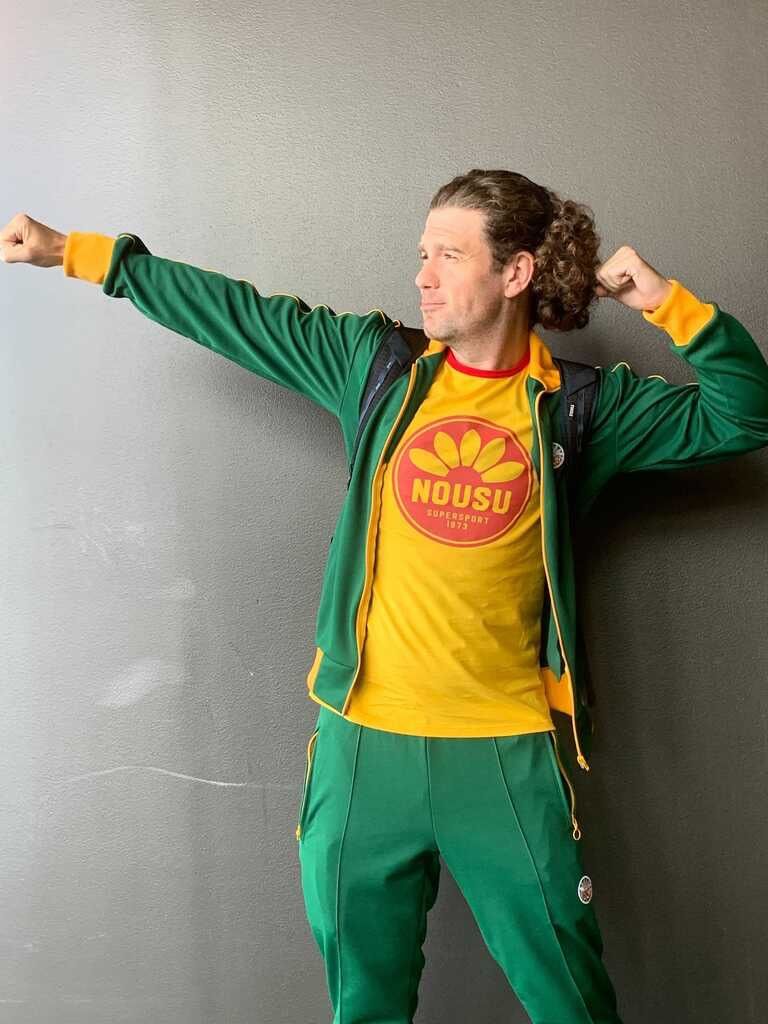
02 · The guest
Fintan Costello
Former MD, BonusFinder; NED, Gambling.com Group
17 years in the gambling industry but really a marketing nerd at heart. Worked at some of the giants including PaddyPower, PokerStars and Google. Exited Bonusfinder to Gambling.com group where he currently serves as a Non-Executive Director. In his spare time he likes to run really long distances (slowly)
Follow Fintan on LinkedIn →03 · Inside this episode
Moments worth queuing up
In their own words
“Being an affiliate is probably one of the most brutal jobs out there because eat what you kill.”
“It's like taking a tank to a knife fight. That's what it's like when you've done marketing in gambling and move outside the industry.”
“If you can't be replaced, you can't be promoted.”
“I was more excited about my son making the Mario Kart Benelux finals than selling a company.”
“Parenting is role modelling. If I want him to be the best version of himself, I need to be the best version of myself.”
Full transcript
Read the full transcriptHide full transcript
If you've been doing marketing in the gambling industry and you've tried to use Google or Meta or Tik Tok or name the platform, name the ad network or the platform, there's so many rules, restrictions, things you can't do, extra policies. No, no, you don't get access to all of these tools. And so, you end up very limited in terms of what you can do, which makes you forces you to be creative. lots of things outside of the industry where it's just like, "Oh, this is super easy and these people wouldn't last 10 minutes in the casino." Sir, people around, "What are you doing? What are
you doing?" And Ken's like, "Well, I was thinking of like getting a horse out of an airplane and we'll kind of brand the parachute and we'll land it in the middle of the racetrack." And everybody's like, "Oh, okay. Yeah, that I'm like, how was this even a thing?" Welcome to the I Gaming Leader Podcast, where we uncover the human side of some of the most inspirational leaders in our industry. I'm your host Leo Judkins and as an ex eye gaming director turned performance coach I've worked with over 200 leaders from companies like Entain, bet365, Flutter and many more to help them build the habits to
achieve sustainable high performance. In these episodes we share exactly what it takes for you to achieve the same. So with that being said let's dive in. Hello everybody. Welcome to the I Gaming Leader podcast. Super excited to have you all here. Today's guest um is Fintan Costello. And Fintan, I'm so excited to have you here. You've got one of the most exciting journeys I think in gaming. going from Patties to Google to you know uh start founding your own business selling that and now coming back as you know on the board is just a tremendous journey and something that a lot of people will be
looking at and going wow um that's something that I aspire to as well. So uh really excited to talk to you today. We'll talk through that journey and we'll talk through some of the challenges that you've gone through uh some of the lessons and um yeah really excited to have you here mate. About time. It's about time you invited me. I'm just going to throw that out there now because it's been a while. I've been sitting here waiting, hitting refresh. Leo's gonna ask me at some point and uh clearly you've run out of the rest of the industry and now we're just scraping the barrel
and oh, we'll make get Fintan in. Let's get it over. I understand. I'm so glad you're here. I I actually should have asked you earlier and I think what I have I don't know how it why that didn't work out, but you're here now. And what I wanted to start with, Fintan, is actually something that you said on your podcast with John. I think it was on an episode that you did with with Mark Smith where you where you said where you talked about um innocent bystanders, civilians you call them, right? People outside civilians, people outside of the industry. And I'd love to talk a
little bit about that because I think most of us in gaming really recognize that like how difficult it actually is for outsiders to come in and how much they struggle. But but where does that come from in your mind and what are some of your experiences with outsiders coming in and and the struggles they face? The thing is, right, it's not like that the industry is unique or like it's not like, oh, we're so special, though. It's I think there's it's a very entrepreneurial industry and there's a there's a default level of aggression in terms of how people run their businesses that's way beyond other
industries or a lot of other industries. And like coming from a from a marketing background, like a really good example is if you've been doing marketing in the gambling industry and you've tried to use Google or Meta or Tik Tok or name the platform, name the the ad network or the platform. There's so many rules, restrictions, things you can't do, extra policies. No, no, you don't get access to all of these tools. And so you end up very limited in terms of what you can do which makes you forces you to be creative, forces you to like push those systems to the absolute limit in
terms of what you're allowed to do. And then say flip like I I worked for a for a financial trading company for a while who didn't have any of those restrictions like it was just like the full all the toys is was how I how I thought of it. And then looking at say the that marketing team and people coming from like a lot of people in my team who are like ex travel and they were really really good but they were so excited about the new stuff and the toys they weren't getting the basics. And I think in the gambling industry we're really really
good in a lot of ways of just getting the basics to like the 99% because we just don't have access to the toys. And I think the the flip side of it is when you take someone from who's just grown up say doing marketing in the gambling industry and you put them somewhere else, it's actually a little bit overwhelming or there's a lot of like data that kind of there's a lot of gaps in their knowledge in terms of the tools and the data and the toys and stuff. So I always think I would put in other ways like um you know doing stuff outside
the industry. It's just so much easier. It feels like cheating. Yeah. Like it's just like oh oh this this works extremely well. Um and none of my competitors are like doing Oh, that's interesting. Maybe we should go even harder. Um, so I'm seeing lots of things outside of the industry where it's just like, oh, this is super easy and these people wouldn't last 10 minutes in the casinos or like just like things like this. So the the mindset I kind of use is civilians and you know just yeah it's like or phrase I've been using a lot lately is taking it's like taking a tank
to a knife fight is kind of how I'm seeing a lot of things. uh which is which is actually fun and just refreshing and oh my god this is it's just nice to have it easy for a while which you know I think I've yeah it's so yeah civilians is just outside of the industry is very different and they're not ready for us. I remember on one of our coaching calls you said you you had a story about um somebody was was talking about like kind of brand marketing and how you know in in other industries obviously you have maybe one or two campaigns a
year and you've got all this time to plan for it right and you kind of and you launch it and then in in gaming sports betting casino like there is something every single time there is just literally no time to breathe rethink recalibrate you just got to keep on going. It's been particularly sports book where it's so event driven and there's always an event and there's always the next event. If you miss that event and even if you just take like the Premier League or like a Champions League season or Premier League season or something like that, even just like the matchup this weekend, this
could be a big weekend or a pretty quiet weekend. And so you're always on there. There is there is no like, oh, let's spend six months planning 2026. That just that luxury doesn't exist. Some companies I've seen do a really good job where they actually split their marketing team between long-term brand planning and tactical kind of BAU planning which I thought was actually the right way to do it if you've got the resources to do that. uh it was a very big company. Most companies, you know, it's a small marketing team and and as well there there is this element of particularly in this kind
of very social medialed landscape where planning 6 months out actually becomes or 12 months out becomes impossible because everything's changed in 12 months. Like a a threeyear forecast in the gambling industry is [ __ ] because yes, there's so many so much will change product regulatory just those two things alone let alone kind of consumer sentiment or whatever. So it it it is a it is a tough industry for that. Makes a lot of sense. So hey, how was that for you when you first entered the industry? Were you uh were you a civilian going, "Oh my god, what's going on here?" Uh how what
did that look like for you? Yeah, I think there's there's kind of two people in the gambling industry. There's people who kind of stumbled into it by mistake. And then there's like the third generation bookie or something like that. like, you know, my my grandfather used to work the racetrack with a chalkboard and I learned the tic tac when I was six and I've been punting since I was seven, right? So, there's kind of the two the two groups. Um, I was very much in the other group of like, you know, I'd placed a couple of bets. I wasn't like done some World Cup stuff
and whatever. I had a vague notion of what Shelton was. So I remember like when I was interviewing with Patty Power back god must be 20 plus years ago now like dummy's guide to betting I was reading the I read the racing post every day for like two weeks beforehand before the interview and like just you know I was on the website gambling just placing bets watching so I really had to just get up to speed very quickly. Um, I had a little bit of a poker background. So, I kind of understood that element of which I think poker is a very good gateway to
the gambling industry in terms of just understanding betting, gambling, plus a lot of the concepts are are universal. So, like a lot of people I think in the industry like poker was the the gateway which was interesting. So, it was definitely a roller coaster and I think as well in hindsight looking back and I was talking to Ken Robertson on the podcast a few months ago, I was dropped into like one of the best marketing teams ever, right? So, you had this was Patty Power or early early online Patty Power when they were really making a dent in starting to make a dent in the
UK and you had the likes of Barney Evans who was the CMO. You had Ken Robertson who famously became like the the head of mischief and like all this all the crazy stunts and the PR stuff and things like this and I was the I was part of the online team when I was the the digital guy and you know starting it was first time ped was really kind of trying to join up all the crazy online offline stuff with online journeys and it it was like joining Seal Team 6 but like I'm just like the nerd in the corner like I wasn't part of
Seal Team 6 But I, you know, somebody's got to make the sandwiches, right? Um, so it like I remember like the first like Grand National planning meeting. I was I was telling Kate about this. He's like, "I have no no recollection of that." And Barney walks in. He's like, "Right, what's everyone doing?" And Barney is just amazing Australia and stuff, but he was like ex like News International and like just no [ __ ] [ __ ] let's get it done. Really good guy, super smart. And he goes like just pointing people around. What are you doing? What are you doing? Right. And Ken's like, well, I
was thinking of like getting a horse out of an airplane and we'll kind of brand the parachute and we'll land it in the middle of the racetrack. And everybody's like, "Oh, okay. Yeah, that I'm like sitting there going like, how is this even a thing?" Obviously, no horses were hurt in the in the making of that stuff. It ended up being but it but it was kind of seeing like okay look let's let's brainstorm and then like we'll refine the idea as we introduce it to it was actually it's a really it was a really good learning experience of like it's a crazy idea and
rather than just shooting it down and saying that's a [ __ ] stupid idea like we'll get crucified by a we can't do that to a horse and then b the negative publicity but it morphed into one of the jockeyies doing it right um and things like so you see a lot of this kind of stuff you're like huh wow okay that that's how that works Um, so as a digital marketing guy, I'd never seen like real what I would deem real marketing before and learning that and and then you just get caught in the like your first Chelton like just the buzz in the
office was just cuz like a lot of the lads in the office were like just proper punters like there was so much money just among the staff riding on Shelton let alone like the business. um when you do kind of get caught up in it and I think you either embrace it or it's just not for you and there's kind of two ways and I you know I'm I'm competitive. I enjoy the challenge. It's tough. Um you know your competitors are smart. They're working hard as well. It's like it's not a so you got to bring your aame and if you can if you can
outperform other smart people then you've done a really good job. So that that that was kind of the the buzz and the the addiction for me was just kicking ass basically. Yeah. I love that. That's I think that's really describes you very well actually. That kind of environment, right, where you where you just have to work hard and it's not really about it's not really about standing at the top and going look at me, look at me. That's not who you are. It's more about you just you just want to prove to yourself that you you know that you're just going to do it and
you're you you thrive in those competitive environments. Is that is that something I mean is that something that's always been like that? I know you mentioned that your dad's been a real example for you for always you know having a really strong work ethic. Um is it something that you've always had? Yeah, I think I've always been competitive. I I think there's some people who are like competitive about everything like just like I don't know the simp like who's getting to the elevator first type stuff, right? So yeah, I'm not like that. But when I choose to compete because I think because I know when
I choose to compete it's it's all in like there's no like h like okay this is this is total war kind of thing, right? This is happening. So I can turn it on and off is I think probably one of the you know big differences like uh you know the famous Michael Jordan documentary right like he was competitive over everything right just absolutely everything that's how he lived his life that I'm not like that but I think a part of it I think is there's a there's a level of competitiveness and there's also I I enjoy building so like the in startup land they talk
about like getting from zero to one is the hardest getting that like first sale first customer, first dollar, things like that is is the hardest thing to do. And I I love that, right? I love taking an idea and like, okay, how can I make this work? And I'm addicted to that. Like that's success. I think when like if you look at my CV, it's it's been a lot of like get in, fix [ __ ] and then once it becomes like business as usual, I just lose interest and I move on to the next thing. So it it is that you know let's make
stuff happen, let's make change, let's do stuff and then like when it's you know and then you know when it's okay this is all working now there's a good system there's an amazing team up you know adios so I'm off to the off to the next challenge but yeah I've I've always been competitive and doesn't mean like I've always succeeded or like I've you know there's no there's no trophies at home there's no like you know oh I have like a wall full of medals and I was this and I was that like nothing like that. But there was a definitely a a a quiet
determination to just get [ __ ] done. I love it. Hey, and also if you look at on the outside companies that you've worked for, right, Patties, Stars, Google, they you'd say that they're from the outside, they're very different companies at very different stages where that wouldn't necessarily be true what you just said, right, about like fixing something that's already there. with at Google for example, you really led that whole, you know, that whole um gaming vertical and getting that getting that all set up. So, so what were like I think it's it's so brilliant what you've done right from from Patties to Stars to
to then to uh to Google and then to bonus find like how like what was what was that decision for you like going setting up BonusFinder founding that and um going from a kind of more of I suppose corporate environment into some doing something for yourself. So I think that there's a couple of things. It's I've always been an entrepreneur, right? So like before Patty Power, like I had my own companies, completely different like we had a data center cleaning business and I was selling cable grommets and I the there was a business like in Ireland at the time there was a property boom. So
like there was a business doing snag lists. So people buying your new house, you tell the builder everything that's broken or wrong and he fixes it, pretends to fix it. So I had like lots of other stuff before that and I built websites and things and so I think I I've always flipped between being an entrepreneur and then the corporate and I think the difference is is sometimes the corporate job is just a bit of a break because the problem with being an entrepreneur being the boss is and you like particularly as as you've got staff and stuff or when you get staff you've got
to worry about payroll right I've I've put payroll on a credit card. Yeah. Um, you've got to send out the invoices, chase the invoices, deal with the accountant, sort the VAT returns. The coffee machine is broken. Such and such said something mean to somebody. Like, everything's your problem. Like, there's no like when you flip to a corporate environment. Oh, the coffee machine is broken. Facilities will take care of that. They're brilliant. Or payroll. I like you didn't have to worry about the money in the banking. There's an I'm going to get paid. Like, it's fine. And so there's there is kind of like a mental
break from some of those kind of things which I quite enjoyed. And then but even even in the corporates like I think I never thought of it. I never sat there and went oh I'm an employee. I always sat there and thought okay I'm running this thing whatever it is and I'm going to treat it like it's my business and do the best I can. So I always took ownership and respons or tries to take ownership and responsibility and just like push things forward. And part of like part of that was would have then been the clash of like Fintan there is a hierarchy and
you should like stop and you know so I had to learn a few things along the way. Um particularly in my 20s too much energy. There was definitely I I never really saw the difference apart from like not having to worry about the coffee machine or payroll. I never really saw the difference between the two. And I I've always treated it as like I have to run this like it's my own little business. And you then end up make because you do that you end up I think making the better long-term decisions. So you're not optimizing for keeping your boss happy this week. You're optimizing
okay this is really going to transform things over time. And I think like when you kind of list the companies and stuff as well like there's also just a massive element of like right place right time. just early digital marketing, nobody really understood say Google ads or SEO or digital like stuff like that. So just being like I look back today like I w the job I got at Patty Power like I was the head of online marketing like there's they wouldn't hire me today for that job, right? I wouldn't have the experience, you know, setting up that team and kind of like the first
proper centralized online marketing team at Pikar like just with no experience in the gambling industry like just I was there because of my entrepreneurial background which is what they wanted and like when you look at the people in the company at that time they've all gone on to do like amazing stuff like there was the concentration of entrepreneurial talent in Patty Power at that time phenomenal I just you know caught the right wave of digital marketing is a growing thing. Um, I'm pretty good at it. I'm better than most and I'm willing to put the hours into perfect the craft and that kind of like
the relationship say with Google while I was at Patty Power is what ended up getting me the Google job and there was so much serendipity and stuff just good timing and and things like this as well. So there was a massive element of the look. It's also context as well like I graduated into an economic boom, right? graduating into an economic boom versus graduating into a recession. You end up like the the maths show your career trajectory ends up being two very different things. Um so even from just simple stuff like that of like the my year of graduation um I was incredibly lucky opport
like things are growing early online business just just by holding on you'd have had a great career when I joined. So, it's I'm kind of aware of that element too of if we do the Monte Carlos simulation of this, do we end up in the same place? Maybe. But there's definitely a ton of scenarios where I don't. Yeah. But it's like a lot of it is I know I know what you're saying and a lot of successful people say that and and of course there's truth to it. But look, it's also a mindset, right? It's also your work ethics. It's also the your like your
approach to business. It's your appetite for risk. It's your like one of the things I'd love to touch on is at Poker Strategy when I was I was there when I I first started in in in poker. We call them entrepreneurs, you know, people that would work inside of a business. And that's really what you're talking about, right? Entrepreneurship, people that feel a lot of ownership in their role. And I also see with all those guys that I used to work with, they've gone on to massive careers, right? And that's kind of what you're talking about with your team at Patty's. So like what do
you think about businesses hiring for that? What are some of the what are some of the underlying characteristics or skills or uh should you even have entrepreneurs or should you have just a workforce that executes? Where what what are what's your thinking on that? The best career advice I ever got was from my boss at Patty Parac and I was hiring for my first I was hiring somebody for the team and he said Fintan just make sure you hire somebody that's better than you because if there's nobody if you can't be replaced you can't be promoted. Okay, when you say like that that's really good
way to put it. Um and so I I always think of it like that, right? So yeah, you know can they do today's job? Can they do can they grow with the business for the future? And it is that kind of like hiring for attitude or hiring for and I resonate with people who just get [ __ ] done and take ownership and and crack on is kind of like like I must say crack on like 50 times a week. Yeah, just crack on. You've got this, right? So I I would personally prefer that because it's how I'd like to be treated and it is
one of those like you learn more from the bad bosses than the good bosses. like just oh I'll just do the opposite of what that guy did. Um yeah that's easy. It's just it's such an easy framework to use. Um so for me I I prefer people who take ownership. I'm definitely not a micromanager. Like just kick ass and do it better than me please and I'll be super happy is my preference. So I I try and put more I I overindex on interviewing and hiring. So really putting the time and effort into it. It's better the the short-term pain of not having a of
having a vacant seat is much better than hiring the wrong person. And putting the time into hiring the right people is super important because letting people go is, you know, that's awful and nobody wants to do that and you'll always drag it on too long. And so it it's taking that pain, hiring slowly, well within like not not hiring, like dragging out for six months and 50 interviews, but just being very deliberate in terms of what you're looking for. And so I've got a very structured interview process where I'm deliberately testing for different different characteristics. So that that's super I think yeah, my my preference, but
like everyone's got their own everyone's everyone's got their own preference, right? there is the people who if they're not micromanaging they feel lost and stuff like that as well and some people need that and I think you've got to make sure like if you've got an entrepreneurial like I've I've had at one company I worked at where you know I'd made a mistake a few times where there was people who just really needed the play just give me the playbook and I'll execute it but it was the kind of place where you had to write the playbook so the people who who were happy to
be given a blank you know just figure this out and make it thrived. people who didn't and were more used to a structured big company tab A goes into slot B really struggled and that was a big wakeup call of like oh there is people themselves have different preferences and being aware of that is kind of like okay here's how we can refine the interview process to kind of screen for this and really understand their drivers not just about what we want and making sure that there's that kind of cultural fit I think was uh that that was a big lesson big lesson Yeah, makes
a lot of sense. Hey, um Fintan, you talked uh about kind of making all of the mistakes and perfectionism and some of the some of the difficulties you've had with that, right? Can you talk a little bit to that and how that's shown up into in these different roles that you've had? Oh, look, I've made all the mistakes, right? Um for sure. The reason why I'm asking finton just to clarify right is because I think so many people they they they look at it from the outside and they see you know you've sold BonusFinder to gambling.com right really successful um people see success from
the outside and don't understand very often don't see what's underneath that right all of the challenges all of the the dark moments and the thoughts and the and all of the mistakes like you said right that that we go through so I just love to talk about that a little bit because I think I think it's something that's uh it's just important for people to know that it's not just a Cinderella story, you know? I I think a really good example, right? So the the day we we'd signed and announced the the sale of of Bonus Finder on paper should be like the happiest day
of your life kind of thing, right? It's like, oh my god, this is like a lifetime achievement. This is amazing. I was so tired and exhausted. I had a can of Guinness, not even a pint, a can of Guinness, and went to bed. like you know it's and then but on the same day my son got into the my son's a competitive Mario Kart racer and he got into the Benelux Cup so this is Belgium Netherlands Luxembourg championships and it was a Nintend we got an he got an official email from Nintendo that he's made the the Benelux Cup finals right top 10 in Benolux
I was more excited about that as a dad right and I think just the sheer exhaustion of just legal and due diligence and getting a deal over the line and making sure everyone's happy and and all that kind of stuff was was huge and you know and like eight weeks later Putin invades Ukraine and the stock market crashes right so like timing like if things have been delayed yeah it would have been completely different deal right if the world's basically ending things like this so yeah it's look it it's there's a classroom like everyone sees the high latch ring nobody sees the big, you know, bonus
finder when you look at it was a and like I was nominated the the public face of the business. Uh cuz I'm the loudmouth Irish guy who talks too much. Um but there was a phenomenal team behind the scenes who prefer to remain fairly private and anonymous behind the scenes. So I I was one of many people who played a part in that. Like I wasn't, you know, I I didn't found the business. I wasn't the you know there was a lot of people doing a lot of stuff behind the scenes and they were they were all killers right there was no civilians in this
group that had been a project like if you kind of tra if I trace back the the genealogy of it like the original bonus finder website would have been about 8 years old by the time we sold. So that's like eight years of grinding like getting the like just building the site, getting a first page, making the first sale, generating the first FTD, like all of those things over time, like eight years of just like consistency and doing the really boring, not sexy stuff of just like getting it right every day. And particularly like if we focus on the affiliate stuff like being an affiliate
is probably one of the most brutal tough jobs out there because you eat what you kill. So every day you got to pick up your spear and go out and hunt buffalo or whatever mammoths or whatever. There's an unlimited number of other affiliates out there trying to, you know, take the rankings and outrank you on on say Google if you're doing SEO or whatever it is you're doing. Affiliate managers love you when you have traffic and they won't answer the phone if you don't have traffic. So there's no real friendships. Like they'll be your best mate and oh we're going to do this. We're going
to go to the football and here's some champagne and stuff and then you get hit with something negative and then it's tumble weed, right? So it's a brutal brutal journey and and it's never a straight line. It's never like I'm here. This was the end straight line. Bof nailed it. There's the peaks and troughs and everything, you know, the zigzags and the things that worked for me didn't work. And that's just, you know, there's no, it's always hard work. It's never easy. There's no there's there is no get-rich quick. There is no get a six-pack in six. None of these things exoring answer of just
consistency over time, doing the right stuff, dealing with the negative things, not get carry, not getting carried away when things are going really well, and just relentless execution. And every affiliate I know has done the exact same thing. So yeah, it's it's like it worked out, but you know, Google could have changed something and it didn't work out, right? there was no real, you know, um we did a lot of the right stuff and we caught a lot of good waves and we we maximized things and um yeah, it it it worked out in the end and we're all very very grateful, very happy. Um
and you know, the it's all gone. Like the guys at gambling.com are amazing. Um they're doing really really good stuff and yeah, it's all in a great place. I love it and thank you for sharing that because I think that's it's it's one of these key things, right? It is just about the hard work. It's about the grinding. It's about getting through the days. It's about the consistency. Um, like how did that work for you in relationship to what you said earlier, Fton, where you said, I just want to fix stuff and then kind of den them out again. Like at Bonus Finder, you must
have gone through periods where you just had to keep on going with that consistency, right? Which is kind of against what you were saying earlier. You see what I mean? Like where you want to want to fix something quickly. like how did that how did how was that for you because I think that consistency especially if it's the same thing day in day out is very hard for most people and especially for someone like you who wants to you know find new things and go from zero to one it's the classic getting older you know I would have been in my 30s I'd have had
a kid school fees I just needed to [ __ ] make this work I didn't have a I didn't have a pension I was burning through my savings I was living beyond my means you know, um like there was no like like it was ride or die. Um and just sheer just grit your teeth and just keep punching. But I think yeah, look, the Fintan in his 30s and and versus Fintan in his 20s were two different people for sure. And yeah, I just, you know, it was it was the classic like uh asset rich cash poor and yeah, you know, every dollar you take
out in salary, you're, you know, taking away from future growth and things of this. So everybody was, you know, we weren't living a high life in terms of like business was doing great, but we were constantly just constantly reinvesting in the business and yeah, it just had to make it work. But you know it's it's also like when you think of building it's thinking about it in lots of different ways. Like you can take any project like how do we improve our whatever feature or functionality or the quality of something that we're doing or launching the PR department or like just crazy stuff that we
did. Each of those things are building right figuring out for the first time and make it. So it's all you always try and look for what you can. That's where I got the satisfaction out of it. Hey. And the how so so once once you once you guys have sold the business, what happened then? What so you had your kind of you had your kind of uh well you didn't drink your kind of whis kind of whiskey kind of Guinness, but what's what what's happened since? So what was what were some of the things that you did afterwards and how did your career move onward
from there? So in a way the the signing was really the starting gun because we the the way everything was structured it was it was very much about a an earnest what's called an earnest. So, you know, hitting certain targets and milestones over the next two years. So, it was very much like every morning you wake up thinking, don't [ __ ] this up. Don't [ __ ] this up. Uh, which does create its own pressure. And it was also trying to do it in a good way and setting everything up for for long-term success. And we we we I believe we did that. And, you
know, the we learned a lot from the gambling.com guys and how they did things. And there was a lot of like just wow that that's really cool. So that was that was kind of a thing. So so really it was it was after the earnout was kind of like the the moment of and that lasted about two weeks maybe even a week maybe not even two weeks. Um so that lasted about two weeks. I've got to do something. So, I definitely wanted to give gambling a break for a little bit just because, you know, I've been thinking about free spins for a decade kind of
thing, right? It's just I'll be honest, it's not intellectually stimulating at all. Yeah. Once you get your head around the initial concept, it's very straightforward. So, I took a little bit of a break. I then started kind of looking at things, talking to people, you know, I got a lot of inbound and it was kind like a lot of like investment opportunities and do this and do that and stuff and I kind of made a rule for myself that I'm not smart enough to be an investor. People I think who have like just the perfect characteristics to be able to invest in a business and
make sure they get a return. I don't have that skill set just yet. So I kind of didn't go down that route. I knew somebody who was working on something in the finance with like the the investing space in the UK. She was brilliant at what what she does and I was able to help her build up that business, build up the team and like just seeing where they've come in like the last 12 months is just amazing. She was at a big influencer conference last night and next week they're she's comparing the share society thing. So there's just like it's an amazing journey. It's
really a lot of fun and it's completely different space but it it kind of rhymes. Um there's a lot of similarities and so that that's been a lot of fun. Um one of the guys uh he used to work for me on the PR side of things. He was launching a digital PR agency. Him and him and his um longtime business partner. I'm a huge fan of PR. Um I think a it's just fun, right? The idea is just fun and but I think it's it's super crucial for for digital marketing. So So I've got involved to that. Help the lads out a little bit. got
them advice and things, but they're they're killers and they're kicking ass and, you know, swinging for the fences already from kind of like day one, which is brilliant. So, just doing things like that just, you know, again, it is that kind of it's more now it's not trying not to be super hands-on and more about what I know rather than how hard I work. Haven't always got that balance right, for sure. And we've talked about that a lot, but I think I'm getting there. Monkey learns. So, yeah. So doing things like that, I've put a lot of time and effort into my health and my
fitness. So I'm working with an amazing fitness coach and nutritionist. Massive transformation like they we're doing like week like just do comparing photos from like January to like last weekend like just huge transformation. Still still got a way to go. But the again consistency just every day being mindful about a meeting executing the exercises and stuff was was key. So things like that and yeah, so I've been busy doing things I enjoy and like which is quite nice. That's that that's the privilege I think. Um yeah, not just because I have to pay the bills. That's the real luxury, right? Being able to pick and
choose is is very nice. Yeah. And satisfying your curiosity, right? I think that's just such a it's such a great way of going about it and it allows you to to, you know, to find just find things that you enjoy. And then recently you joined um you joined gambling.com as non-exec. How's that that that must be quite interesting go, you know, from selling to then joining them. Uh like how how did that go? How I don't know how much you can say about it, but I'd love to I'd love to hear a little bit more about that that conversation and how that's gone. Well, the
the the way the way I like to think about it is and kind of what I'm really happy about is most so M&A is a really common thing within every industry. uh when you run the numbers, M&A typically fails and doesn't deliver the the upside and the cost savings and stuff predicted and typically by the end of it everybody hates each other is kind of like statistically what happens. Um the fact you know when we finished everybody was happy. The fact that, you know, we all got on and respected each other and, you know, being invited to to apply for the board seat would suggest
that, you know, we've landed that plane. It was done in a good way. And so I think that that that's a nice that successfully complete like apart from the deal, but if you think of like successfully landing the plane, I think it's a as big a tickle like CV as as anything. And and again, it was a big team playing a part of that and two teams became a big part of that. Joining the board is is something, you know, it's a it's a huge honor. Obviously, they're NASDAQ listed. It comes with a lot of responsibilities and I think it's, you know, it's going to
be a lot of fun. Um, they're a great team. Been able to support them how I can. I'm still a shareholder is fantastic. And yeah, like it's it's still very early days, you know, still getting getting up to speed, but I I think it's it's going to be a lot of fun and it's going to be a, you know, hell of a journey over the next three years or however long it is. Well done. You You've deserved that. Well done. And uh really uh really excited for you. I want to talk a little bit about um the thing that stood out for me the most
in working with you over the last I don't know year 6 months which is your quote or you were saying of big big energy big big 2025 energy. So tell me a little bit more about that and and kind of what that means for you and why that's so important for you. So yeah so big 2025 energy has become a mantra. Um, it was something that that came to like Christmas 24. I was really tired, doing a lot, been very hands-on and took a couple of weeks off, just closed the laptop. I'm just going to read, sleep, and I kind of just slept for like
a week. And I realized I was doing things. So, like, you know, younger Fintan, you know, it's payroll on the credit card and you've got 100 bucks. Make it go as far as you can. So, the more you can do, the more money you're saving and you can push things forward. The epiphany was just really simple of like actually you've you've got options Vincent. We can you know there's other ways to solve this and it's not just about how many hours you do. You can bring in great people. You can delegate a lot of stuff both to the existing team and to to new hires. There's
other ways to solve this. And also I think at a very incremental mindset of just like we slowly build and then every time we're learning and then we're very sure of the next step. And so it it limits the the failure rate or like the cost of failing, more importantly, potential losses. I'm like, actually, no, you can you can swing for the fences. Um you've you've got this. Um so being able to just ramp things up, be more aggressive in terms of like planning, strategy, resources has been a lot of fun. Delegating pretty much everything has been great. and then frame me up to do
the fun stuff which I'm I'm really enjoying and so I've been doing that like this year effectively and yeah like it's we're at the end of May now as we're recording this and it's it's working like there's a lot of lot of positivity a lot of green shoots a lot of some of the things like I think of things of like little plants in green houses so like there's lots of things green in lots of little pots and they're going to get big enough that we can put them outside and but but they just need nurturing now and So, we just keep doing that is
is is key and it's it's in but the big 2025 energy is infectious. Um, there's a lot of people now also use swinging for the fences. So, it's it's definitely it's definitely a thing. But I think for me as well, it's it's what I was joking with a friend of mine who's completely bought into it and we're like, yeah, like December 27th, we're still big 2025 energy. Like just right to the end. Right to the end. Let's see how far we can go. It look it's it's more just attitude and energy, right? It's if we can and it's the mix of like, okay, it's a
zoom out. Let's set big ambitious goals. And you know, I always find like I've done this like I'm going to do this this this these are the things I'm going to achieve. And at the time they seem completely outrageous or like completely like that that would be amazing. and the path's never straight. Uh but over like 12 months, 18 months, 24 months, like, oh, I have actually done all of these things. And that's like, you know, I've I've been through that multiple times. So, I think just firing yourself up and putting the big goals out there and what you're going to achieve is Yeah, it's
fun if nothing else, right? I love it, Fintan. I I think it's such a like attitude is everything, right? And um I think that's it's so crucial. I we were talking about it last week with kind of a few things about parenthood, right? And with Rory, with your son, about how like you said a few things that I just wanted to touch on here. You have something called data day, which I love. I like I'm so going to steal that. But also, you know, you're he's also a competitive swimmer and you're always there for that. like you've gone you've had such a such an intense
career, but you've like that's that's also been a really big priority for you, you know, as being a dad. So, how like what's how difficult have you found it to balance those things? And how's that changed over time? How is that now versus how it was in the past? Like what's um what does that look like for you? It's it's the look it's the most important thing. Hands like everything else pales in comparison. like this is that is my job and the way I kind of think about it is and like being a father is like helped me immensely. If you think of parent being
a parent, parenting is role modeling. So particularly in the younger years like as they like okay like as they teenage they more look external but particularly in the younger years like how you react to everything is how they react or how you behave is how they behave like it's just role modeling and you're like oh okay so if I want him to be the best version of themsself I need to be the best version of myself right and then you're like I should probably exercise this or whatever right or like I swear to I swear too much or why am I getting annoyed over this
this is ridiculous so you I it made me very self-reflective. It's part of So I became a better person by being your father and then I've just really enjoyed it. It's just so much fun. Like he's just and he's just like like he's just funny and just if I can make him belly laugh like I've had a great day. If I can just catch him with something where he's just laughing hard like I've just nailed it. So I I've enjoyed that. And like whatever he's into I'm into. Right. you want to be a swimmer and we're training you're training six times a week. Fine. I'll
make sure you get there and we'll do the races. Like I've seen every swimming call in the Netherlands at this point. Like just fine, let's do it. I'll bring my laptop. There's always free Wi-Fi. I'll get some work done. It'll be great. We'll spend all day here. So whatever. And then whatever. Like he's got other hobbies and stuff as well. So I I really just, you know, double down on that. And we something we've talked about as well, this crazy stat around when a kid leaves home to go to college or do whatever they're going to do. That is the most time the child will
spend with their parents for the rest of everybody's life. So you're like, "Oh, so he's 13, 13, 14, you know, I've got what, like four, five years, right? How do I want that to be?" like do I want to look back and kind of go really like I messed that up or I was too busy or I was I was whatever. Um and I don't want that to happen. Yeah. Sorry, I'm getting a little bit ch um the So being really kind of cognizant of that is important. And what I try and focus on is what I call happy memories. So I like like I'm
so so structured like I'll set like okay it's once a month or every two months we've got to go do something or create some sort of do and it could just be we go for a meal or we do something at home we go out and like I don't know go football game or whatever it is just like really focusing on happy memories and just doing things together is kind of what I just so I don't let that slip or cuz there's always something else to do or I'm tired or a nap or whatever. Um, so I I spend I deliberately plan that out very
deliberately, which sounds a bit weird when I'm saying it, but it works for me. And he's a great kid, so something's working. So, well, I'm very proud of you. It's uh it's fantastic, mate. I I think I think everybody should be doing that. I think everybody should be planning their time out like that because it's so easy to let it all slip by and, you know, to have your short-term priorities override the thing that you could also do tomorrow. So, I think being intentional like you are is is actually super important and I wish more people would do it. So, thank you very much, Fintan. Thank
you for for your interview today. Really enjoyed the the podcast. Thanks for finally inviting me. Appreciate that. Thank you for joining me on the i Gaming Leader podcast. If you enjoyed today's episode, head over to iamingleer.com for more conversations and insights. Don't forget to subscribe to this podcast. I'm your host, Leo Judkins. I hope to see you next week.
This episode is sponsored by


The AI platform for marketing automation used by leading iGaming operators. Turn player data into real-time engagement to deliver timely, relevant experiences and strengthen retention and loyalty across every touchpoint.
Related episodes