
01 · Watch the episode
The full conversation
Watch on YouTube ↗ — if the embed above says restricted, it's a block on your network/Google Workspace account, not this page.
Or listen on:SpotifyApple Podcasts
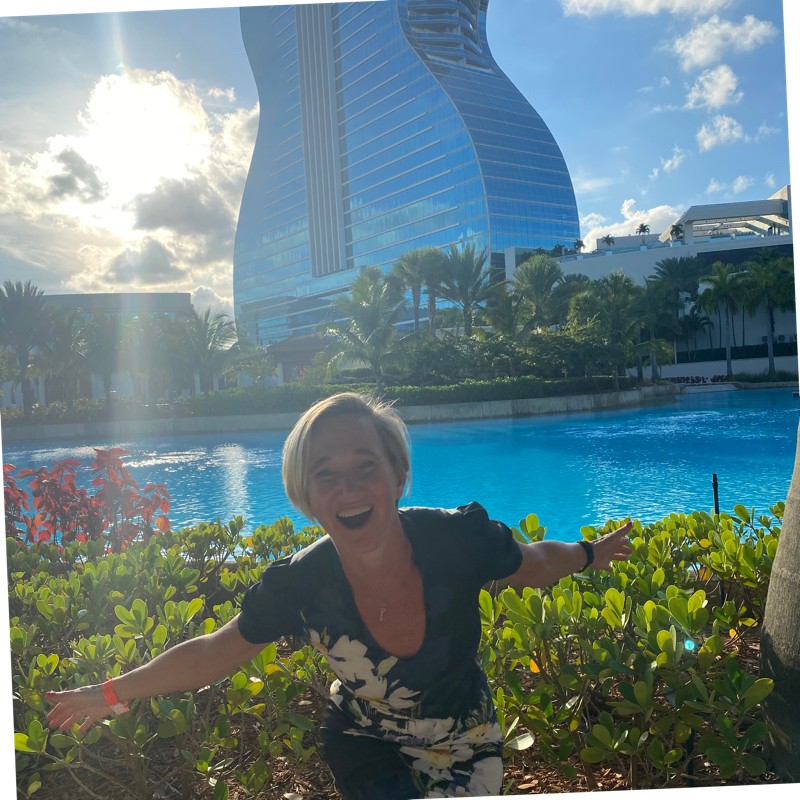
02 · The guest
Petra Zackrisson
iGaming executive
Petra Zackrisson is a passionate, driven leader with extensive experience in online gaming, international business development, and strategy. She started her career at McKinsey before becoming one of the youngest trade commissioners as a diplomat. In 2013, Petra transitioned into iGaming, working in executive roles at Betsson and Kaizen Gaming. She served as SVP of Growth at Better Collective and board member at Casumo. Petra is an advocate for diversity and incremental change towards building more diversified, healthy businesses.
Follow Petra on LinkedIn →03 · Inside this episode
Moments worth queuing up
In their own words
“I want to hang in there because I think it's very important for other young women to see that it's possible. It's possible to go all the way to the top and it's possible to do that with family and with children too.”
“Diversified teams are financially sound. If you are a consumer service company, it's important that your teams reflect your target audience. Today, most companies ignore 50% of the population because they are very male-oriented.”
“Trust is key. It's important to tell people what they are good at, what their strengths are. I'm asking my team for help and that showcases that they can actually tell me things and give me feedback.”
Full transcript
Read the full transcriptHide full transcript
I want to hang in there because I think it's very important for other young women to see that it's possible it's possible to go all the way to the top and do that with family and with children too welcome to the igaming leader where I interview industry leaders to get their insights on what it takes for us to thrive in this fastpaced High Press environment I'm your host Leo Judkins and today I'm joined by Petra Zach somebody such an interesting story having worked at McKenzie moving into becoming a diplomat and then moving into igaming where she's reached the absolute top as a woman in a
male dominated industry she'll share her story and insights on what it took to get to where she is today so let's dive in hey Petra welcome to the igoing leader podcast really great to have you here uh super excited to talk to you today um and hear your story thank you thanks for having me very curious to hear um about your journey and what I'm so intrigued about is how did you move from McKenzie to diplomats to I gaming what really that entire transition I think it's a great place to start must be such an interesting story yeah I don't know sometimes I said that
I'm slipped on a banana I don't know how I did it I didn't have a clear career plan I started off in McKenzie more or less by friends saying that you should apply and I I I got there and and then I I had 10 years as a diplomat working for the Ministry of Foreign Affairs around the world the Common Thread was always Business Development I love International Business Development I love cultures new cultures really curious about how to understand consumers and local market specifics and so forth and then also having product management within me all the time like a combo of strategy and execution
and then I got called by a Head Hunter saying that bet on was recruiting for a new management team they had a specific desire to have a woman in a very male role that person should come from one of the top management consulting companies I had McKenzie there and got recommended by someone I still don't know who and that was how I started I thought if they called the wrong person I said I have no experience of betting whatsoever or I have but not from the industry I also didn't really come from online so it was a little bit a mystery but that was not
what they were looking for they were looking for someone that was really good on execution and product management and had that kind of sharp eye for both the the Strategic part but also how to get things done so that was how I ended up within the industry love it I'm really curious to hear how that shaped your approach maybe to coming into iGame and that must have been so different from somebody that maybe's had 10 years of experience before transitioning into a leadership role how specifically did your experience as a diplomat and and from a Consulting background influenced your leadership style or your approach when
you got into igaming a bit I think with a management consulting background one of the things that you really you get really good at is to quickly quickly understand a new industry to ask the right questions to listen a lot and be very attentive so be a quick learner so that was what I did obviously I was a rookie I didn't have the 10 years of Industry experience but I was really good at at asking the questions and quickly understanding what was the real thing they didn't bring me in for the industry experience they brought me into to be very good on running big projects
including Acquisitions Integrations migrations all type of projects was the key thing so there I knew that I was really good so that skill set I had already obviously a very different climate coming from being a diplomat trying to do trade relations between different countries and so forth but as part of that role I was on the trade side I was responsible for how to help switch companies enter new markets that was very similar to some of the projects around expansion what is the mindset you had to think about and what are the pitfalls when you go into new markets and when you had to approach
a new culture so even if it sounds like a very big difference between being a diplomat and more on the you know public side of things versus the industry it was a lot of skill sets that were very much in common between them so You' you've worked and lived across Europe Africa South America what are some of the biggest challenges that you've seen from just moving around in different countries gaming industry is full of expats what have been some of your biggest challenges in in leaving around the challenge first and foremost is the personal challenge you become a nomade that you you had to be
you had to create in your safety or you had to be your house or your home had to be where you are even if that came of changes and the country changes all the time so you have to be very comfortable with change people that are not comfortable with change they will have a hard time in that kind of life that also includes your family which is why when we work for the minist of Foreign Affairs my husband at the time was interviewed to see who will he be and how will he support me and how will he be feeling about actually moving around I
think that's really important sometimes you forget that at least when you get into the age of having a partner children you're not only one person moving but many if the family is not happy no one else will be happy either you have to be very open to new cultures and wanting to understand the new culture and adapt your leadership style which is very difficult some things you can adapt other things you just had to be very clear on who you are and being aware of that and also speaking to your teams around this is who I am I will be honest this is how I
authentic and I'm open to feedback but I will not change I can change because this is me I love that Petra because in every interview I do authenticity always comes back right just being true to yourself and I think especially when you're managing in a multicultural environment and you're adapting to different cultures can be very difficult can be very easy to forgo yourself a little bit and be someone that perhaps you're not and that is inevitably going to lead to significant problems your well-being and your leadership style and you will not be trusted because it will be visible that you're not yourself over time at
least that's how I see it is that something that you learned straight away is that something that you learned the hard way is that something that you've seen in others that you aspired to like how did that form itself over time I think I learned it the hard way you learn by experience trying to be someone else especially in the Young years when you start you think you had to do something specific because that's what you're told I started in a pretty tough environment McKenzie is not exactly soft and easy at that time it was a very demanding environment to be in and what I
felt was that I don't want to be like them I don't want to be that type of leader that shaped me and made me reflect I've been working with myself a lot trying to learn who I am I'm super passionate and when I get into that mood it's really hard to control I don't think I can control myself in that way even if I try yeah I learned it the hard way I I can't be anything else but authentic it is just who I am either you hate it or you love it or if you are in between with me unfortunately but that's how it
that's also where you have to be more more selective on what kind of environment do I perform in what kind of manager do I work best with how should my team complement me based on who I am with my flaws and positives what do I need around me to have high performing teams I love that petch with great answer one of the things I'm really curious about is when you first moved into ey gaming what some of the surprising things that you noticed what are some of the things that you perhaps didn't expect that you ran into and battled through I was excited to see
the abundance of data how much data is actually being collected in the companies and what you can do with that data so that was one the things that really attracted me I was surprised to see that they were not as good as I thought they were going to be and and by mean that I think that there is so much opportunities to do so much better A lot of companies that I worked with before would die for the data that we have access to in our industry and in the online and not least see because we see the footprints or we can see the footprints
of the customer we can know a lot about them and if you start to play around with that data and had the right tools and people didn't see that they're really thriving so for me the access to data was a big surprise and how much data we actually had access to and maybe the lack of understanding of actually using that data was the surprising part and also to a certain degree the quality of leadership and then it was a little bit less Innovation and I think that's that came from the com the industry had done so well even if they were not great they didn't
have to adapt so much for the customer they didn't have to be local because they were thriving anyway that is a very dangerous place to be in coming from other Industries before it was a good thing because you come in with a different mindset say guys you lucky to have all of that but we're not working with it so let's start to work with that yeah yeah I love that because you grow through your challenges and when you're on a road where there's very few challenges there's no real reason to innovate and I think that's very true for the past you don't need one of
the things that dimma talks about he does the 15- minute last stre podcasting he talks about how important it is to hire from the outside and to get new blood into the industry because it's quite insul and I think it's often the cause for a lack of innovation what are your views on that I agree 100% when Betson Bon was a new CEO when recruited his management team he had a philosophy to take someone from the best company within that skill set of function ality so he looked across the different positions CMO CTO so forth who should who are the companies that are best at
this today I want the person from that company yeah and I think that it's a bit bold to do that then you can say did they have enough industry experience but he also brought in a few persons that had that industry experience I think it's super important to bring in certain skill set there has to be a mix though it cannot be only people from the out getting the passion the mentality of the Panter really understanding what's going on in the head of a gamer what are they looking for who is this user so I think it's super important that everyone understands that but then
I think it's good with fresh blood and we need to this kind of I call it cross pollination need to mix and that's where you get the best results one of the things I I heard you talk about is small incremental changes when it comes to diversity can you share a specific initiative or example of of how you apply that and the impact of those small changes in diversity referencing that cross-pollination you're talking about how important is that and what examples personify that you mean the cross pollination by different Industries or by genders or everything yeah both it's a diversification in general yeah I think
there are many examples of that I've been working quite a lot with gender diversification yeah but also bringing in people from the outside gender diversification is financially sound to have a diversified team that reflects your audience and that reflects the target group that you want to Target and if you are a consumer goods product or service company is important today most companies ignore uh 50% of the population more or less because it's very male oriented and when I speak to people in the industry they say and the men mainly they say that it's hard to motivate a man to be as passionate about the female
user which is interesting but it explains lot because if that's the case and we know in sports media 85% are M that's also going to reflect in what they're writing about and what they're interested in and in gaming is a similar thing if all our men working with sports or with within the trading team and so forth there will be very little focus on the female side so I think it's good if if you have Target audiences to make sure that your management team or your teams are reflecting the audience that you're targeting if you're only going to reflect if you're only going to Target
20 year old male to 20 to 40 year old male then it's fine to have that kind of employees as well but if you want to have a more Diversified Target group then I think that should also be reflected in the team that you build up yeah and this about cross pollination looking at our industry we are a young industry there are a lot of better examples out there that has been in a far more competitive environment for a long time they are better set for the challenges and will bring in their experience things that have failed in other Industries before they can bring that
as examples to our industry okay so Petra I want to ask you about diversity in organization what are some practical things that leaders can do to promote more diversity and help uh organizations actually establish that a few of the things that I've seen working is that often I get to hear there are no female candidates and then my question is how hard did you look the Practical thing that I can do is an as an HR or as as the management team that you actually agree on that if you ask a head hunter or someone to present you candidates if there are three candidates at
least one of them has to be a woman and they say oh but we can't find them search harder or work with another agency that can find those candidates because I think at this stage today there are plenty of good women you just have to search a little harder so that's one thing this is by diversity is not the female question it is a question for management which means that the minority that we had to talk about here are male everyone has to be trained on bias and how bias impacts us when doing interviews scrutinizing CVS and so fors training in bias and having proper
discussions around what you have to look for and how do you actually encourage more female applicants and so forth already in McKenzie on the early stage I worked with female recruitments women didn't apply for McKenzie because it was seen as a very male environment and they didn't apply because they didn't think they would have a chance anyway so they had already disqualified themselves before even applying classical unfortunately gender difference so we trained women in only women events we created to train them on business casing showing them that is not dangerous it's not something they can't do to boost them so they would apply and that
I think is also the way you had to be more conscious and you had to work on training same goes for internal promotions and everything else there is a tendenc say if you get a male CV you can deduct 25% of that he hasn't done anyway if you have a female CV you can probably add at least 25% that she haven't put in there and that she can do and have and if you have that kind of mindset you also understand that you have to treat women and men differently when you promote how you encourage and so forth because we're still in a very Mele
environment where most of the criterias and how we look at things are predominantly male then there are AI tools on how to neutralize CVS and so forth not knowing whether that's a foreign name whether that's a female name or anything but just look at the C as such so there are plenty of goods and very Hands-On ways to work with this but has to be done consciously yes that I was just going to say that that's the key message right it has to be proactive and I think one of the big things that you said is understanding your own bias or helping other people understand
their biases and really getting that we all see the world through a specific lens none of us are neutral although we feel that we are none of us are neutral understanding that lens for ourselves and being open and honest about that is key here it's nothing wrong with the lens it's just that you have to know how you view the word and maybe it's not the only way to view it if you have a management team with seven people six of them being male maybe they have a lens that is very similar yes and then you have to broaden that lens in order to get
in a different type of profiles and so forth the industry is moving forward we are getting in more women but we still lack on the leadership they're not getting all the way to the top and the question is why do they not come all the way great example I I love that and you in a hard performance role in a in executive roles board roles it must have been challenging at times for you as well in in what what is predominantly a male dominated industry which been tried to change to something that is far more diverse F what are some of the challenges that you've
personally run into an ay battled those it has been challenging it is still challenging because you're often a minority and it is true that women and men tend to think differently that is also why it's such a strength to have a diversified team or a gender Diversified team the good part is that it's a modern industry so even if if it's still few women or too few women's especially at the top there is not a long history in the industry it's not the same as working in the heavy industry mining industry and so forth but it's still think that has been challenging in most companies
one of the things that I brought with me from mckin was looking for female role models and I couldn't find any in McKenzie at the time I want to hang in there because I think it's very important for other young women to see that it's possible it's possible to go all the way to the top and do that with family and with children too and with interest outside work as well so that's some things but I mean I been through everything from sexual harassments to always being the one that is in little bit being a minority means that you're more vulnerable if there is something
that should happen you're the most vulnerable person because you're the one that is different from everyone else you may be a bit more challenging to work with because you don't think like the others that will always put you a challenging position it also makes you a challenger and gives you the opportunity to shine a different light on something if you're strong enough in your issues goes back to that authenticity we were talking about in the beginning yeah yeah it is but it's also about you you can only do that to a certain level because you also need to be nourished we all need to feel
like we are trusted we need to feel safe when we work in an environment everyone wants to be part of a team and I think that is the main challenge if you do not feel part of that team it becomes really hard so it's very true that I am a challenger and I will always be a challenger but it's also important to find who will give you the energy to continue and how do you create a good environment with some trusted people that can boost you support you and give you the energy to continue I love that there's going to be people that are both
in that environment and in the opposite environment you must have experienced the same before in in different roles what are some of the important things that as a leader you can do to really establish that culture around you both upwards downwards sideways to feel that you're safe that you're valued and that you're in a top sports team almost I think it's important with feedback it's important to tell people what they are good at and what their strengths are and how they are contributing but is also important to tell them what they could do better it is important to create a safe environment in terms of
actually listening and that they feel they can tell you anything be open with you and give feedback I'm an extremely direct person I also believe that I can take very direct communication I'm very open to my team that they should tell me and I know that I can run over people in certain situation and they need to tell me that they need to help me with that so I'm asking them for help also and I think that show case also that they feel a little bit more comfortable with actually telling me about it but it's the building that trust is really key and maybe allowing
to be a bit more personal sharing I try to share my weaknesses I'm trying to share my experiences trying to be very open around things that have gone wrong and so forth in order for other people to see like even if she got to this level and everything she had the same situation as me she also made mistakes she also been feeling really weak she also been feeling I can't do this I can't do it any longer I don't know how to I feel I don't feel well in this environment and so forth so I think that is also and coming back again to the
ensity of actually being daring to be human and daring to be uh to be in you yeah and being Unapologetic about it right you saying this is just me I'm direct you have to tell me when that happens it's not like you're making excuses for it or trying to be someone else uh it's about openly communicating about it really really love that you you've worked in in established companies andu startups what are some of the traits that consistently predicts success in I gaming the people is the key factor to have the right people and the right team it's really important obviously the leader behind it
or the founder is a is a critical person but the ability to recruit attract and retain the team is a key factor and then it is it is grit or is persistence it's true it takes a lot of hard work it takes a lot of failures to learn and to get better so that kind of continuous Improvement mindset is really important understand that it's the people that will make the success and very clear focus on your customer to really understand your customer or the market with your customer where you are acting and listen carefully what is it that they are asking for and how can
I deliver that to them so you're talking about customer centricity grits yeah are those key behaviors that you would look for in someone that is aspiring to become a Le leader who is trying to put themselves forward in a in a company what are some of the skills and behaviors that you typically look for in so the perseverance I I always look if you look at the CV I try to see what they have been doing before I love if they also have a sport career or any interest where they have had a very strong interest and pushed forward and really worked hard to get
something so I'm looking for how did they get different different roles or jobs or how did they do it so what kind of learnings could they have with them it's important for me who they are as a person because if it show me if they have the drive the drive and the push to actually push forward or and then get up that's a key factor I like when they being in different things I think that's much better than someone that had just done one thing I don't like if they have jumped around too much because then it shows me that they can they really stay
on or are they just every time they they hit something that is a little bit challenging or something they will just leave and and do something else because obviously they will do the same with me I'm looking for that kind of person that have shown that they can stay on and actually do something it depends on who I have on board already so I'm always looking to try to complement my team or complement if I start to build a teams I'm looking for someone that has what I don't have or someone that can contribute to the team just in the same way as you build
a soccer team you have one goalkeeper you have your Defenders you have to have someone that can score and so forth and it same goes uh in your team one of the things that we talked about before we started recording was around long-term Vision versus short-term how that sometimes difficult in gaming specifically right how uh you know we want to achieve short-term results but we also have to have a long-term Vision like how do you balance that as a leader in your role I think it's extremely important that you have a very clear Vision on where you want to go regardless of short-term goals that
Vision has to it has to be very clear to everyone what is it that we're trying to achieve and also what are the goals and the key objectives so I work quite a lot with this that you break down to say okay if this is where we want to go what do we need to get there and then you break that down into key objectives and tasks I think it's important to help help to actually to make it like kind of structur you can see I need to do these things now shortterm in order to reach my long-term goal it is challenging especially if you
work in a listed company you have your analyst that is on on you every quarter you have to show what You' done how you delivered and everything else and that is a challenge is it not always best for the company to have that kind of situation I I think I told you before that I prefer to work in a private company than a listed company you are more more liberated to actually have that long-term thinking you can afford to fail two three quarters because you know that you're working on the right things that would deliver in the end you don't have that kind of benefit
if you're listed you had to deliver every single quarter then it becomes extremely important that you are good in your forecasting when you set the the expectations to the analyst and everything that you trying to put that at the moderate level where it's where it's achievable with without without becoming a burden or forcing you to take short-term decisions that may not be the right thing long-term just you know not to be slaughtered at the stock exchange um one one of the things you mentioned earlier in our talk is about uh how you want to be an example and and a mentor to others I'd like
to turn that question around what are some of the mentors and examples that you've looked up to in your career and what are some of the values and traits that you've really gone to appreciate about them and perhaps that you've even mirrored yourself I think I've been lucky having a lot of good managers I have had managers that I I didn't appreciate as well but especially early in my career I had a lot of good managers that trusted me they hired me and fought hard to hire me because many times I was a woman and I was young I was the youngest trade commissioner when
I started in the Ministry of Foreign Affairs he had to fight hard to get me in because they said she's too young or she's doesn't have experience him fighting for me obviously created an extreme loyalty for me I was super loyal to him and he showcased The Same Spirit he had when he hired me he showcased during my entire career by supporting me and uh trusting me saying I'm here when you need me and I know he was always backing me up he trusted me enough to let me do my thing so I think that the trust is one thing that I really H appreciated
and at the same time felt like I got you back yeah and I think that's important that's something that I try to mirror in my own leadership obviously not always successful but that's what I'm aiming for another thing is humble around that you don't know it all and that's okay so the humbleness of getting back and letting people that know more than me run it coming back to a trust but also a kind of humbleness around letting other people and recruiting people that are better than me because I've seen that happening and I've seen that been extremely successful in companies I think the other one
is from one of my recent managers he was also extremely people oriented he cared for the people on a personal level he knew who they were and he knew their families too and he knew them by name I'm not good with names I wish I was that was very impactful today I was on a seminar with an Olympic Athlete we were discussing what you can learn from Sports and how he can bring that into business what got him started was that he felt recognized he was someone he had a tough pretty tough upraising and brought him or what was the good feeling that he had
first time when someone said Peter you did that really well so he was recognized he was mentioned by his name and and the person told him what exactly he did well and I think being there and actually appreciate and being specific to a person and telling them exactly what they do well is something that I try to mirror so key isn't it being seen and being heard is absolutely key I love that I really want to wrap up with something that is practical for people listening in that perhaps are looking to almost create a similar journey to you if you would go back in time
and back to when you first started and Ging what's one piece of advice that you would give yourself that's a hard one I think one is this try to be a bit nicer to yourself someone told me that it's good sometimes to reflect and say that try to say the same thing to yourself as the advice that you would give to someone else you would never tell someone else that I was absolutely useless I can be pretty good on telling myself that I'm pretty useless on certain things and being extremely critical and and I think that kind of to be a little bit reflective and
take a step back and actually be better at seeing what you do well as well is important I hit the famous role when I was only 28 29 and I think that's was in a fairly unfriendly environment and and I wish someone was a little bit better and helped me and told me a little bit more that I did lots of things good even though that company mckin at the time was extremely focused on everything I should do better not really what I did well yeah so that's one to be very clear pick your manager is so important especially if you are a minority or
Mye as a woman do your investigation do the reference checks on your future manager in the same way as you do reference check on anyone else that you employ but when you go into new rool shake what type of manager that is have that person had other women around him have he supported them what do they say about that that's something very important yeah love that great great for us it's interview both ways right yeah it is an interview both ways but you often do not see it like that you sit and you're on the receiving part especially when you're younger I think with experience
you become more aware of that it's equally important if the relationship it's like a relationship if a relationship is going to work both of you had to approve and had to had to like the other person it has to be someone that you like to be with especially if you're passionate you work 110% you better have fun doing that and you have to do that with people that you actually like if not it's never going to be it's never going to work I don't think it will be work then it will be an ugly divorce afterwards your manager has more impact on your mental health
than anyone else under Century great point to uh end on Petra thank you very much for podcast today really enjoyed talking to you and uh I'll speak to you soon thank you very much wow what an inspirational Journey pet has had right it left me feeling so energetic afterwards I think it gave us three key insights the first one was how important it is to be Unapologetic about who you are especially when you're working with other cultures that you might not have grown up with or perhaps you're an expert it is really important to just be open and honest about how you communicate with people
but also to ask feedback for how that's being perceived so that you can be authentic in your leadership the second bit is really about how it's important to hire diverse sets of skills just like what she called a soccer team which is really a football team you know hiring a striker and a goalkeeper and a Defender to make sure that you have different viewpoints and really start hiring people that are better than you are right and then the third Insight is how important it is to hire for grit and perseverance those are skills that you just can't teach anyone they are things that people need
to have shown in previous roles or perhaps even at side of their careers and because that is what underpins high performance so those are the three insights that I saw or I got from this uh this interview with Petra if you found this helpful please take 10 seconds to just leave it rating and review it helps us so much more than you can imagine and helps other ey gaming leaders like you find this episode as well and next week we're joined by Rob Duffy who's the MD at entain who's gone from you know small family run businesses all the way up to the corporate big
business of entain and he shares all of his insights from his leadership journey and what he looks for in people that he manages so please join me again next week for another episode of the I gaming leader see you then
This episode is sponsored by


The AI platform for marketing automation used by leading iGaming operators. Turn player data into real-time engagement to deliver timely, relevant experiences and strengthen retention and loyalty across every touchpoint.
Related episodes