
01 · Watch the episode
The full conversation
Watch on YouTube ↗ — if the embed above says restricted, it's a block on your network/Google Workspace account, not this page.
Or listen on:SpotifyApple Podcasts
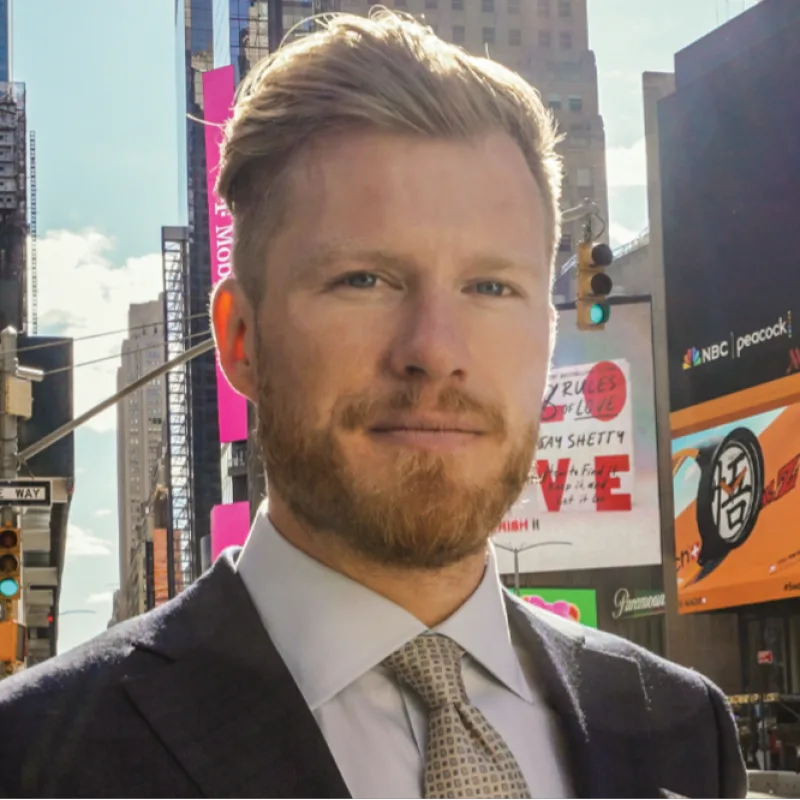
02 · The guest
Pierre Lindh
Co-Founder & Managing Director, Next.io
Today we're joined by Pierre, a pioneering force in the online gambling and gaming industry. His remarkable journey began during the early days of online poker, where his passion for the industry first took root. In 2006, Pierre took on an influential role with the Swedish Poker Federation, championing the cause for poker legalisation in Sweden. His expertise then led him to leadership positions at major online gambling platforms like Betsafe and Betsson Group, where he mastered the art of high-end hospitality events. Drawing on his rich industry experience, Pierre co-founded Ambassadör Events
03 · Inside this episode
Moments worth queuing up
In their own words
Full transcript
Read the full transcriptHide full transcript
15 police officers storm up into my poke club and the screams put down the cards release the chips who is the organizer here you know me a little boy at the time I put up my hand and I would play Counterstrike for 12 hours a day and that was the hyper Focus then uh poker became the hyper focus and uh the Poker Club just the idea of starting that club was just so fixed in my head that there was boundless amount of energy that I would be able to put into that prodject we lost 100% revenues in the company and everything was thrown in its
head at that time but yeah 2019 was when it happened and we decided we're going to build something ourselves so 15 minutes before the show was about to start we all Gather in a circle and we like how do we go about this everyone looks at me and I look back at everyone they look at me and my production manager is's like Pier you have to do it man welcome to the igaming leader podcast where we uncover The Human Side of some of the most inspirational leaders in our industry I'm your host Leo Judkins and as an exi gaming director turn performance coach I've worked
with over 200 leaders from companies like Entain, bet365, flter and many more to help them build the habits to achieve sustainable high performance in these episodes we share exactly what it takes for you to achieve the same so with that being said let's dive in Pier great to see you here on the the podcast all the way from Cancun thank you so much for making the time and yeah welcome to the ey gaming leader uh thank you so much Leo I'm very happy to be here with you today it's really uh really great having you I wanted to kick off with um I'm not sure
if it's going to be a favorite story yet but I remember you telling me that you've got this story about opening a poker club I think on on your LinkedIn it says 18 but I believe it was like 17 or something tell me a little bit more about that like what was your how did you enter the industry let's say that it was in the year of 200 was that 2004 the year I was turning 18 we can we can say like that well I I very much come from a from a gambling background you know in Sweden when we are raised we are raised
we playing poker you know we were seven eight years old we knew what a straight flush was we we knew what a two pair was it's very much part of our culture with the kind of board games and playing card games and so on it was no surprise when the poker boom hits the world in around 2003 and four that um the Swedish population just exploded with the playing poker and uh I was in high school at that time and we used to play poker at every school break I was the one who was in charge of the book so I was keeping track of
who was owing who money we didn't play for much but um nonetheless it was a really fun activity we did at that time and we just had great time with it so once we finished school I decided to then take this poker game out of the school and actually formalize that into a poke club right so when I was 17 as you as you mentioned um I founded the what would become one of the biggest poke clubs in Scandinavia obviously in Sweden being a monopoly with gambling it's questionable legally whether you can host poker so on the 26th of October 2006 I hosted on poker
night for around 150 people it was a big big big night for for for the club there and at the middle of the night you hear the door slams open and Bo you know 15 police officers up into my poke club and the screams put down the cards release the chips who is the organizer here and um you know me a little boy at the time I put up my hand and I guess the police were expecting some form of like Health Angels criminal ring in there or something of the sort but it turned out to just be a very innocent little poke club for
poke enthusiasts to play for very modest amount of money with had no alcohol no other gaming apparatuses in in that club we justed kind of a a day care for grown-ups that we used to call ourselves there so that's how I am to the industry basically ear and that's and there was no turning back since done yeah I love it how how did that make you feel that must have been quite scary at at 17 and and I'm also super curious what you did how how did you deal with the the customers that were there the people that were playing poker well at that age
I think there is a sense of invincibility so uh for me it was it was just like oh wow this is happening now and I was taken into questioning the police I was I did that and then the next day we have three newspapers in Sweden three National newspapers of blooded expressen and K Boston and um I was on the front cover of all three newspapers in the country of Sweden on the 28th of October 2006 so I still have one of those front covers at home I have it framed and um the next day I must have gotten 500 phone calls at least from
journalists who were calling I mean my phone was just constantly ringing from morning till evening for weeks it's just really surreal when you're at that age you know you don't really understand the world you don't really understand what's going on around you so for me it was just okay now we're in this and yeah let's go through this and see what happens and what comes out of it and we we just love playing poker and we continued playing poker throughout that period when the police was questioning and doing the research which maybe in hindsight was not the smartest thing to do I still organize those
events but I think was the police just quickly realized that this was um not really what they had thought thought it was going to be like they thought that this was literally like underground criminal ring that was organized in this events and it just turned out to be some kids playing poker so during questioning I remember this Police Commissioner he was very nice man and uh he told me uh you know Pier we know that you're still organizing the poker tournaments and like it's not good that you do this because if we come again we will arrest you you know just don't make any fuss
about it and we're not going to body so all right cool so we just continued playing poker for the next two years there before I moved on yeah that's awesome man that's for you that's fantastic story you you've you've had this entrepreneurial Spirit from what I can see throughout your career but I suppose all of your left where has that come from how's that kind of started and yeah I've been thinking about that myself actually earlier because I think I've always been a bit different in some ways you know I tend to get hyper focused on on things and I don't know if there's like
a left combination behind that to some to some extent but when I was a child you know I got really obsessed with playing t and sometimes people didn't want to play tennis with me so I would play on the garage door I would shoot tennis ball for 4 hours straight you know without thinking about anything else and so that hyper Focus have shifted throughout the years you know I was um a semi-professional Counter Strike player in Esports also around like 2002 or 2001 I would play Counter Strike for like 12 hours a day and that was the hyper Focus then uh poker became the hyper
focus and uh the Poker Club just the idea of part in that club was just so fixed in my head that there was boundless amount of energy that I would be able to put into that product and then after that I I thought Malta would be a really cool place to move to so I kind of redirected my energy to to make that happen so to be I think it's that um hyperfocus that have driven me into projects that I'm excited for and I think that's in general is what drives me is like when I lose the excitement with something is um where I tend
to move on with things and the company that I'm running now with next I've always been saying the same thing is like as long as we keep developing and come up in new ideas and trying to achieve really difficult things and reinvent ourselves constantly and and grow as fast as we can and to that done I am the MB of the company but the moment is time to kind of slow down and focus on incremental changes in the company then I'm not the right MB cuz my m is just going to move elsewhere so I think the it's the hyper Focus that have followed me
throughout my life yeah love that and does that make it uh really easy or really hard for you to stay super consistent with things or are you constantly looking for kind of these new highs that you can find somewhere else where are you on that Spectrum I think for any person and like if I would consider myself a high achiever there are many days where where that energy fluctuates I I had those periods sometimes where it just gets too much you know I think it's also comes a little bit with age because in like the early 20s and whatnot you know the energy just doesn't
stop you can just do it seven days a week and it's there's no ending to it you know even like going out and stuff I I used to be a lot invol in a nightlife in molta and so that and we would be out all the time and then the next day I would be you know on point on time and I would work whereas now I know that if I go out even to an igam event and whatnot it's a sacrifice that comes with that like I'm not going to perform as well the next day for example now it's becoming more and more about
managing that output and to put that energy into more sustainable place where I can have consistent output rather than burst of energy and then there's like a c down that comes with that and I find that in my training as well for example like I'm I'm an ultramarathon Runner uh I do a lot of sports in general and I find the same thing there that it's not so much these days about like going to the gym or going for a run and just killing myself because I know that if I do that I have to take breaks from time to time like I want to
have a bit more sustainable output each day I think it comes down to that to try to be a little bit more sustainable I have off days for sure and off weeks even where I don't I just don't feel I can get the same amount of work done it it comes from that that you are in like a particularly busy period and the negative consequence of that is like you're trying to keep yourself busy but you're just not doing the same valuable amount of work you know like how can you produce that that like really high output like the 10x uh productivity how can you
be in that space like you can't really be in that space for too long you know so you have to try to find the right moments yeah can't spread to the marathon I love it so a lot of people that will we listening are kind of in that mindset of all or nothing you know of kind of peing and then maybe coming down like you were saying earlier how you were maybe in your 20s how did you how did you change that mindset from focusing more on sustainability rather than then you know shortterm burst it's it's trial and error to be honest I'm like questioning
myself if I have off days like oh my why why do I have an off day today like what led to this off day is it something that I ate is it sleep is it something else and some days you enter the zone and you feel Invincible you know and I think about that too what led me to that moment where it could enter that Sone and just get so much stuff done I think everyone is very different in how they achieve this those States or how they get the most done some people are extremely organized so if you create like time blocking and commodor
techniques and all these like really organized ways of creating output uh for those people it might work much better than someone like me for example where I feel I'm more on the creative spectrum and uh I'm not as organized I think as many other people are so to have like many different things going at the same time and uh I can sometimes Dive In into a particular product and and and dedicate time to that it really is trial and error it's really is really individualistic like I I'm reading a lot of books uh about output and productivity leadership I feel the outcome of reading a
lot of those books is that everyone is unique and those books you should probably not fall back on completely and copy them but you should probably take the information and adopt to who you are as your own individual unique person and find your own way forward and that's why it's so difficult like there isn't like a Bible for the things that you can just read this read this one book and you will be perfect after that it's like no you really need to you really need to get to know yourself first love it because it's so that's so important that you know we often feel
that we almost have to copy one-on-one these things that we read and these really popular self-development books and and it doesn't work and then maybe you feel that you're there's something wrong with you but it's never true right it's more about finding what works for you and adapting those those Frameworks yeah 100% so so in in in 2016 I believe you founded U next I'll get next what what what motivated you to do that what what motivated you to to start that and and go from where you were before to yeah founding founding that business we founded our original event business in 2013 and at
that time the hyperfocus became to create the best and the coolest parties and events in Malta and beyond for for ourselves and for the a industry so between 2013 and 2020 when the pandemic hit we had organized more than 600 individual events and um nextto was founded in 2019 right so a year before the pandemic and that was basically our idea that we've organized so many events for other people so like we used to help Sigma uh a lot when they started to help them to establish themselves we helped migs which was the other gaming event in M at that time to to establish themselves
we helped a lot of other companies to establish their events and we were like why are we doing this for other people we should start something ourselves you so I think in 2019 we were ready like we were a bit more mature at that time and we kind of had gone through the circles and we had good Network so the idea right next to there was then uh yeah let's start our own thing and let's see if we can build our own aam show basically so that became a big success the first year in 2019 and 2020 was going to be the big year for
us and uh we went into that year with a lot of excitement and then of course the pandemic hit in March 12th I think it was where we had to cancel all the events of the entire year we lost 100% revenues to the company and everything was thrown at its head at that time but yeah 2019 was when it happened and we decided we're going to build something ourselves and so what happened then uh there Pi when 2020 hits and that must have been especially in an event space right where like you said you lost 100% of the revenue everything is digit everything is sorry
offline so what did how did you feel and what did you do in hindsight I think it was the most important and needed period of my entire life actually uh at the time it was a complete disaster the way our company functioned at that time was q1 was a planning quarter so we didn't do that many events during that time and then from March onwards is where we hosted all our events so we we would organize between 100 to 150 events per year and uh they all happen from March onwards so when the events were cancelled in March uh we had zero Revenue to that
time so we accumulate uh debt and then the idea is always that we pay off that debt with the revenues that comes from Q2 onwards and um we had a big decision to make at that time right which was we don't know when the events are coming back we don't know what's going to happen after this we don't know how the world is going to change you know every all the events are cancelled everything is gone do we keep going or do we do we just put down the company and become workers or do something else and it was a very in retrospect it was
a very interesting decision because we never really questioned the fact that we were going to figure things out and so we came together as a company at that time we weren't that many employees we were like eight people or something at that time and we said well first of all we have to lower our salaries that's just the prerequisite we we lowered all the salaries to ,000 per month that's what we can afford to extend our Runway into the end of the year so we had um we had nine months basically to reinvent the company and we told the ER please you know we understand
that this is maybe not the most fun period we will have to work you know 10 times as hard and you have to cut your salaries by you know a lot we will also cut our salaries as me and Martin my co-founder and do it in Sol solidarity but if you decide to leave we will support you and we will help you to find a new role but no one questioned that we we just came together yeah of course we're going to figure this out we had two potential outcomes when we uh ventured into this time which was either we figure things out or and
we eventually will need to seek investment into the company so we had a Runway to end of the year need we know that we need to find investment into the company and if we manage to do that then we will be in the best position we've ever been or we fail and considering that we have V and tax depths that will fall on me and my co-founder personally we will be in depth for the next 10 years so it was a very dualistic black and white kind of outcome that this is going to lead to and I think there's an enormous amount of energy that
comes with having knife against the throat during perod that like that and um we just worked um insanely hard and all all the years of hard work came together in many ways because we we'd really done a lot of good things for our partners we'd build a reputation of be reliable we had really good stuff uh who were super committed we were quite smart in the way we were thinking about changing our products so our competitors they were trying to bring exhibitions online and we felt that was like a really weird thing to do because why would you want to exhibit online when there is
LinkedIn like you can already go to a company page and yeah we don't want to compete with LinkedIn so we found a niche basically which was thought leadership in igaming in until 2020 was only available if he paid ,000 to go to ice Vox or any of the other two events that were happening at the at the time that offered thought leadership you had to pay a really expensive ticket in order to go and see panels from smart people talking about the future of the gaming industry and so we decided let's bring all of that content online let's bring all the smartest on PE smartest
people together let's produce content and we release it to the entire industry for free yeah this was like a mind-blowing idea that that that like at the time it sounds so intuitive and it sounds so simple and straightforward but no one was doing that at the time and that led to the podcast and being uh launched that led to other initiatives that we launch to spread thought leadership of the industry and that's how we then kind of morphed into a new company that were focusing on IGI thought leadership and um that really set us on a path to become what we then became today and
eventually we managed to close investment one of the most proud moments of my whole life when we manag to lived so tell me about that moment how did that happen what was the you know what was that day like so when I was so it's like one of my cop mechanisms during this very difficult time in March when we were you know oh my God either we're going to like be in that for 10 years or we're going to like make it I would listen to uh the Dog Days Are Over by Florence in the machine I would like think about like the moment where
we would sign that agreement and we would be like we did it you know we come together we we we did the impossible as an event company during Co we managed to kind of reinvent ourselves and I would I would use that as a copy mechanism to take myself through those moments and uh yeah once once once we signed the agreement and I remember I put on the song and listen to it like obviously it's very emotional moment but it was also a realization that oh [ __ ] like now the next phase starts like this is not over like now we have now we
have capital from other people they expected us to do Miracles with this capital and actually we just climbed another Hill as part of a big mountain and there's going to be many other Hills in front of us here so it was a very shortlived kind of Celebration and then okay let's enter the next race now let's go on this longer longer Journey that we have ahead of us and that we're still in to to this day what you saying there about shortlived kind of Celebration I think is very typical for most high Achievers any any sort of top athlete you talk to it's always the
same right it's always onto the next event onto the next big thing not necessarily celebrating that Podium for too long have you always been like that where you kind of you don't hang on to it too long but you move on to the next thing or was this more a a question of circumstance with the money behind you that needed to be you know repaid I suppose yeah well I think you you know Steve Jobs always used to say that it's the journey that is the reward there is no there is no Finish Line in life and think about this students who study to become
a medical doctor for example you know think about the race they are in in these couple of years when they are studying to get that doctor's degree and how difficult it is how many sleepless nights they have and they have that Vision to finally get that diploma and that title and what happens well they get the diploma they are celebrated everyone's around them everyone's saying congratulations to them and then the next week they start working at McDon McDonald's right like then they are at the bottom of the next lther right and they have to start climbing that I think life is made up of um
of different races and it's not about the Finish Line it's never about the Finish Line it's it's always about the journey and and that can be very difficult to um uh absorb at times because as a fer also you have always the vision in front of you like oh what about the day I sell the company and I can sail into the sunset and forever and ever live happily it doesn't work like that like it's yeah if you are lucky to sell your company it's like yeah then that race ends and another race continues we're always going to do something with with our lives and
and I I think if we don't if I would eventually sell the company in the far future then I mean I will look back at this very stressful times as really valuable just like now I look back at the covid days when we really were fighting for our lives and now I can see a lot of value I can see a lot of like really really beautiful moments during that time and so the journey is the reward like it's not the not the about to finish line quick break here if you're ahead of director VP or executive in igaming who's successful at work but is
finding it hard to achieve balance in life and switch off from work then I've got something that's going to help on the third of February we are launching the igaming leader reset a 6we coaching program in which I will personally work with 15 I gaming leaders to build habits for sustainable high performance all in just 20 minutes a day it's limited to only 15 leers so if that's something that you want to know a little bit more about head over to igaming leer.com and I hope to see you there now let's get back to our conversation I want to ask you one more question about
that specific situation with covid you made a very brave decision in a situation where you needed cash right you just reduced all of the expenditure and salaries and your decision is to produce content for free that seems to be so counterintuitive especially in that time where it it wasn't about free content everything was behind pay walls back then that must have been a really difficult and therefore Brave decision to make so talk me a little bit through how you got got to that decision and what made you stick to that decision yeah I think I think everything fell into place very organically because as um
as a conference uh organizer and event organizer we always fall back on sponsorship so we produce things and companies wants visibility so they pay us to have their logo attached to a really great initiative to to build their brand perception and and stuff like that so for us it just made perfect sense that we create content online we release it for free the more people that will see it the more people want the more companies will want to be associated with that and they want to they want to pay to to be visible through our content and that was just to us a very intuitive
kind of business plan for for our brand so I think it it just came together really in L based on our experience and background but I think what the difference what what others were doing is like so there's two ways to think about the problem either you think from analogy and it's basically what do I know from the past that will that I can translate into solving this problem so if you think about like noia producing mobile phones you know at at the at an around 2005 you know say like the Nokia 331 you know unbreakable Invincible phone they were thinking about how can you
make that phone better right like how can I make it 10% better but when when when Apple decided to produce an iPhone they didn't think about how to make the best Nokia phone 10% better they didn't think about uh what a mobile phone was even they you thought about what do we have in this very moment what technology do we have available to us to create the best possible mobile phone disregarding anything that has been done in the past and that I thinking from first principle and the result of that was the iPhone that is super intuitive you know the App Store democratized developers to
produce apps for you make it even better the latest technology at that time was the touchscreen make the phone so that it's a fashion statement um because you know people want to have pretty things and it was super intuitive but it was just breaking a lot of barriers at that time that no one had thought about before and I think the mistake that our competitors did at the time of Co was that they didn't really think what the people want in a digital environment they do thought about what have we done in the past and how can we bring that online so we organize exhibitions
and how can we organize exhibitions online like like that no one wants there's no value from that like people don't want that like you already you already have LinkedIn right people want content and thought leadership that's what people wanted and we just happen to stumble across that idea and we went down a different route love it uh remember that we had a conversation about um me having to go on stage and feeling really nervous about it and you gave me some fantastic advice on kind of how you how you deal with going on stage but I would love for you to share your very first
time going on that stage kind of what happened and and and talking talking to us about your fears and and yeah your two big fears really and how that how that manifested yeah so so like many of the listeners uh I had a massive phobia of speaking in front of people and I'm not talking about like big audiences I say like in a meeting of 10 people to have I 10 people looking at me and me trying to present something to them uh I felt like an absolute charlatan I felt like an idiot you know and and um that those thoughts would just spiral in
my head and I wouldn't be able to go through simplest presentation so it used to be that when we organized events it used to be that my business partner Rec on stage Martin and he would talk about whatever needed to be talked about but I realized at some point that like I have to overcome this phobia so I started easy as simple and um spoke in front of some smaller events and stumbl stumbled through it and whatever but really and truly the first time I spoke at an event and the biggest moment for me was at the first inagural next. it was a crazy thing
that happened this was the biggest event we ever organized we organized you know 6 700 events at the the time and this was going to be the big one we had put all the eggs in one basket and in the morning of the event 800 people was sitting in the audience waiting for the event to start only one problem was that our host hadn't turned up he didn't turn up he was gone it is a no show we went to his hotel room no one was there I mean he was nowhere to be found so 15 minutes before the show was about to start we
all Gather in a circle and we like okay how do we go about this and everyone looks at me and I look back at everyone and they look at me and my production manager he's like Pier you have to do it man you have to take the RO well and I'm like oh my God this is like all my fears everything but obviously we can't we cannot just not through the event like I you know obviously I have to do it so my production manager he miked me up and and our production man at the time was so he was a world Cloud production manager
he used he used to work for Live Nation in Dublin he he had product managed Prodigy red chili peppers all the bigger B in the world and he looked at me and he said Pierre everything's going to be okay but I look I saw that he was nervous I saw he didn't mean it and and when our worldclass production manager is nervous then you know that that this is not good you know he knew he knew my fears he knew how terrible I was at it Stu but the good thing was that I never had had time to really let it sink in that I
was going to go on stage and hold speeches and present people on stage so they just miked me up uh okay off you go and and Alan our protection man here just told me pi just read from the script don't do anything else read from the script and I was like okay so I went on stage I read from script I came off stage and everything worked it wasn't it wasn't so bad actually and then the first speaker was in backstage and he was so nervous he was so nervous and his name was Todd house halter and he was the CPO of Revolution and he
was just about to go on stage and hold his presentation and he was so nervous and then he went on and he did that presentation and that became the most watched the most viewed presentation with the a industry ever right and so the lesson for me was that oh okay not only I am nervous here but everyone is nervous so if everyone is nervous and if everyone thinks that they are really terrible on stage then I guess that's just part of speaking I guess so that realization was a diffuser for me actually realizing that it's okay to be nervous actually it's fine it's okay not
to be perfect as well like um it's fine to just be yourself pH on stage and actually if you can be your imperfect self on stage then it's probably going to be something that people resonate with if you're a bit more authentic love it really awesome Pier how how do you go about it now and how do you feel nowaday is going on stage yeah so I really adopted that to myself that it's okay to be imperfect and if I can be my Perfectly Imperfect self on stage that that is what I aspire to do in general so I I had come to terms that
I'm not David atenor I have come to terms that I'm not Esther Perell or Tony Robbins or any anyone like that is just never going to be like that uh I've come to terms that I'm pi and that's okay so uh when I go stage these days I don't really feel that nervous anymore um only for that reason that I that I am okay with not being perfect because I think the anxiety comes from wanting to over perform that's like oh my God if like hundreds of people are looking at me I need to say something groundbreaking I need to say something that will shatter
people's World belief and make them you know come out as a different person it's like oh my God like no wonder you get nervous if you put that pressure on yourself going going on stage uh um in front of people no I I have some ideas and maybe some people like them maybe some people don't and I'm going to share them if people give me the opportunity and um that's enough for me so I don't really I don't really get n nervous uh sometimes I suppose you can still kind of get a little bit nervous I still don't want to like make any big mistakes
and stuff like that but by time the things becomes easier eventually as well yeah you put in the Reps makes a lot of sense talking about conferences in general appear you like you run them like that's uh it's already stressful enough going to conferences yourself right and it has a kind of has a toll on your well-being right you us dog feep as well you back toback meetings you're seeing a lot of people for you that's a whole whole extra level I suppose because you're random right and there's tons everybody knows you so what are some the things that you do to maintain a bit
of balance or if at all during during those those type of conferences yeah so my team we laugh if they hear this question because they know that I'm probably the most nervous person when we have an event coming up they they would say that I am not very good at creating coping mechanisms leading up to an event because I get very nervous and um I ask questions like have you thought about this have you thought about that and they really don't like when I go in between to to like micromanage their work they always manage to do really great stuff and I come in like
on that side I am a perfectionist like I'm not the perfectionist when it com to speak in our stage but when it comes to our events I am I am a bit of a perfectionist and um I think perfectionism is just another word for being a bit insecure you know it's not just me that I'm a I'm a perfectionist it's just that they know what they are doing so they don't really need me to to like go in and question them all the time and stuff like that so you know now we done as I said close to a thousand events I still get really
nervous before really big events that we do I still get nightmares months leading up to events thinking about everything that can go wrong and I always have the same way Korean nightmare that I'm at the event uh it's not that many people there and people come up and ask me like oh Pier you promised that it was going to be more people here like why where are they and then I'm like oh no don't worry like it's they're coming and that's the thing about the events is like we were work for a year to organize this one day or like two days events and before
it happens you don't know exactly what's going to happen and um obviously there's a year of work a year of investment a year of time and and a lot of partners that are uh committed to this only for everything to happen during these two days and it's out of your control like what once the doors open the event is going to happen as it happens everything that is a state during these couple of days it's really hard not to let that get to you the same happened here in Cancun now with our to treat the first time we do it uh every time we do
an event for the first time there's a lot of unknowns we don't have any references we don't know how people are going to uh move around and and how they going to use the space and stuff like that so it's like really really hoping that this is going to work you know because this is going to determine our future as well with this concept and once it all comes together and I think it's a very special breed of people who go into event because it's an enormous amount of stress for a long time leading up to an event but then once it all falls into
place and it works when it which is what it usually does because you carry all this nervousness that comes into you know double checking things all the time and when you double check and triple check things that's how you minimize mistakes at the end of the day so usually our events goes really well and then afterwards the the relief and the celebration and the joy that comes from a successful event is this it can't be compared to anything it can't be compared it's it's a wonderful feeling yeah yeah I love that what are some of the what are some of the top tips that you
have people visiting events like to maintain their sanity throughout all of it me me personally I think it depends a little bit where you are in your career like if you're quite Junior um it's a lot more about getting meetings right so when we started out um as a young event company we would go to and no one knew who we were and no one wanted to give us time at all we were there to we were there to pitch our services and the um exhibitors they want to sell their services so no one wanted to talk to us basically but we figured out pretty
quickly like okay if we go on the third day at ice for example then people are a bit more relaxed and they are a bit more willing to talk to you because they already done their business a bit less people people are less dressed and I like we figured out that that was a good time to to get our word in a little bit and and set it out and I think also in general with business it's I think it's very important to try not to get ahead of yourself when it comes to closing deals and the way to sell is often to make friends
first and like if you can make friends then by extension you will do business and the thing is like people want to do business with other people that they trust and that they like so they will naturally prioritize the people that they are friends with and that they like so when it comes to like relationship building it's not always about just going in and just pitching your product for me it's much more about establishing friendships and relationships and that also comes down to who you are as a person as well you know if you are the type of person that likes to connect with people
and if you're a good person you probably will do pretty well if you if you're the type of person who don't really find it authentic to be out with the people and connect with the people that you work with you're probably going to struggle a bit more when it comes to selling specifically like you might find other areas of the business where you fit perfectly in like our our head of marketing he always jokes around that's like yeah you know goddamn conferences like called right to be home and all the things but he fits you know he he would probably not be the best salesperson
but he is an incredible marketer he is just a a worldclass marketer and he found his space there so he recognized what his strength and weaknesses are basically and the same thing goes in sales we always we always saying internally which is again like what what is the best type of sales person is the best types of sales person are those who are good people so just be yourself unless you are a serial killer then don't be yourself okay but then don't work in our company we want good people and that's what we prioritize so yeah long story short I think when it comes to
the event try to focus on building relationships try to avoid going into this 15minute meetings that are super impersonal people forget what they say they forget what they promise it's pointless often time you're going to have to follow up after the event and reiterate everything that you said so what's the point like focus on building relationships focus on building um genuine connections with people um things are going to fall into place after that love it I had a similar discussion with Ashley Ashley Lang uh two weeks ago saying we're in a People to People business right P2P not B2B and I think uh it's very
true I love that you know that's a great that's a great point I wanted to kind of closing off I wanted to talk a little bit about Community if that's okay Pier you uh really started talking about you know building the world's ey Gaming Community with with next. iio and I really love that I think similar to how you were saying how things have changed after lockdown and after covid Community is one of the real key missing aspects in business the more that we are connected online the more we disconnected we feel so tell me a little bit more about you know why that's important
to you building community and and what is that going to look like for next iio yeah here's a very intuitive thing to say but it's not that obvious if you go to an igaming conference people in the igaming industry have other interests than the igaming industry could you believe it no way people yeah yeah could you believe it right but if you go to an aing conference and you look at what are the conference talks about what are the different Seminars the round table discussions it's all about I gaming right like people in the industry have other interests also and um when we think about
our content for especially in our next valeta event we think about like can we organize like a mental health track you know can we organize uh tracks that are focused on being your best self and bringing people together because maybe people within industry don't only want to talk about ey gaming maybe people are also seeking connection with each other especially now since the pandemic work and private life is blending together more and more I mean I'm sitting here in Cancun right now and I have enough day I'm very happy to do be doing this to you but to some extent my work life and my
private life is is merging together more and more as I go forward and I'm very happy to do that but but I think the consequence of that is we will be seeking more connections within the work environment and within our industry environment to a bigger and bigger extent and um I think that moving forward creating gening communities where people have a sense of belonging because we have many identities as people you know my identity is an igaming professional but I also identify as a run for example or I identify as someone who like to do many other different things and within my igaming identity I
want to find belonging with other people uh who uh resonate with with that so uh the idea of creating the world side Gaming Community is not only about connecting people for them to do business with each other but it is to give them a space to feel home uh in the industry and to belong that's how we have built our EXA conference is not an impersonal massive exhibition it is a place for people to come together meet have a good time with each other connect become friends sometimes friends for life and there is an element of that that eventually also leads to business and that's
where we connect the dots with each other that's where we connect the private life and business life together and I think the way to do that is to to be mindful of the fact that if we are going to blend our work life and private life we need to do it in an organic way where we can feel happy and sustain our our our happiness levels in this context of work yeah so that's the idea with creating the world ham Community Beyond just creating pure business it is also to create friendships and a sense of belonging great great uh Vision I really love that and
I think it's very important okay my last question Pierre uh before closing off what are some of the perhaps the people that have inspired you on your journey or people that you've spoken to leaders that you perhaps have interviewed on your podcast and what are some of the aspects of those leaders that inspire you most just kind of leaving the listeners with some pieces of advice that they could maybe maybe mirror absolutely I think that's a great question and I can I can just say for myself in I GRE up I I grew up without much of uh parental figures so for me it was
a lot about finding trads in other people and to adopt them into my own personality when I was in my early 20s I I was like I really want to be a try to be a good person I hadn't really been taught how to go about that so I was trying to look for others um and I think actually one of the first people who inspired me to be a good person is a is a guy called Henrik colar who used to work for bson in the early 2010s yeah and when he walked into the room everyone was so happy everyone came and HED him
oh my God Henrik is here and he was what we call in Swedish glad spe it like a spreader of joy and I looked at him and I'm like oh my God like that's such a great quality to to have as a personality so I really looked up to him at that time now in the context of today I would say my best friend is ler marog he's the CEO and board of director of preser group like a major operator he's had really big influence on me he was the first investor that come on to the company as well he's the type of guy who
is when you see him he looks like a big dangerous guy like he has a big beard he is bald and he's very very straight straight spoken but then he is like the softest guy ever and he speaks about his feelings and emotions and talks about the difficult things that he go through and he is really inspirational leader in the sense that he personifies this like modern masculinity let's say where it's okay to not be perfect all the time it's okay to recognize that yeah you know we shouldn't always hold things within ourselves like it's okay to talk about things so he taught me a
lot about that I think Todd house alter as well is a a really inspirational uh person that so many people in the industry looks up to and with good reason he's an exceptional leader he he is he is the best person I met ever who get you thinking about your own who gets you to question your own beliefs so you will say something and he will be like he will he will ask like a really smart question back that makes you think like oh should I have I maybe not thought this through from all directions and thought is a master at that he's an absolute
Master at that uh and then finally I'll say um I really look up to our stuff in in in our company as well because it is rare I think in a company where the founder is of is not the person who is outputting the most energy and there's something called like founder mentality and I think in our team have we have like most of our team have found their mentality and uh and I'm just I'm just humbled by the fact that they bring that energy to to to our team and I look up to what they do and I think about the great energy that
they bring to the team on a day-to-day basis yeah they makes me just so proud to know that I have a team like that so I can I can go on and on on here on people I get but uh yeah I think you are doing something really great also with u uh bringing a new culture into the industry of uh opening up the conversation as well it's um really important initiative and you can see the leaders that you bring on talking about the difficult moments they have which makes it easier for other leaders to do the same it's like a watershed moment where for
every person who does it it becomes easier for the next person to do it so I think you're also leading the chge there yeah F to you thank you very much pier and thank you so much for your time and being so open and honest with sharing everything has been been fantastic talking very inspirational thank you oh it's a it's a pleasure it's a pleasure thank you so much thank you for joining me on the igaming leader podcast if you enjoyed today's episode head over to igaming leer.com for more conversations and insights don't forget to subscribe to this podcast I'm your host Leo Judkins and
hope to see you next week [Music]
This episode is sponsored by


The AI platform for marketing automation used by leading iGaming operators. Turn player data into real-time engagement to deliver timely, relevant experiences and strengthen retention and loyalty across every touchpoint.