
01 · Watch the episode
The full conversation
Watch on YouTube ↗ — if the embed above says restricted, it's a block on your network/Google Workspace account, not this page.
Or listen on:SpotifyApple Podcasts
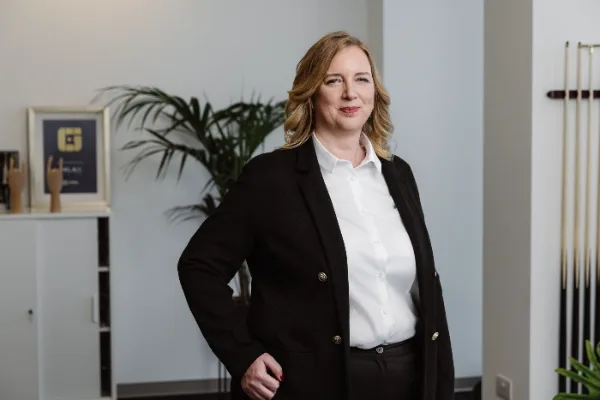
02 · The guest
Shelley Hannah
CPO, Relax Gaming
Shelley Hannah started her career in 1999 as a software programmer, working in the air traffic industry and insurance. In 2013 she moved to the iGaming industry and, since then, has been working with partner programs, aggregation business, product innovation, operations and commercial. For nearly 7 years she has been part of the growth journey at Relax Gaming. Her career in product and software development has been instrumental in Relax Gaming's success and reputation as a leading B2B supplier. Shelley is currently on the move to a new role, to be announced very soon.
Follow Shelley on LinkedIn →03 · Inside this episode
Moments worth queuing up
In their own words
“We all have different skills. If we were all the same, we'd be like robots.”
“You don't need to know everything to take the role. You just need the skills to figure it out.”
“Your to-do list will never be done. Prioritise what really matters.”
“Leadership is about helping others succeed.”
Full transcript
Read the full transcriptHide full transcript
I was always like more than a programmer. I could never leave it at just understanding the code. I had to understand the business and everything around it. I had always be the one to write really clear documentation and it have a little bit more of the full picture in mind. For me, you know, I'd look up to other people and thinking, I'll never be like them. I'll never be as good as them. And then that results in, you know, oh well, I got to work harder to become exactly as good as them in the way that they are. I never have dreamed that I would
have had, you know, such a a long and fruitful career with relax itself. Also, the award on top of that it is. If I told myself that 5 years ago, I'd be like, yeah, rubbish. Welcome to the i Gaming Leader podcast where we uncover the human side of some of the most inspirational leaders in our industry. I'm your host Leo Jutkins and as an ex eye gaming director turned performance coach, I've worked with over 200 leaders from companies like Entain, bet365, Flutter and many more to help them build the habits to achieve sustainable high performance. In these episodes, we share exactly what it takes for
you to achieve the same. So, with that being said, let's dive in. Hey everybody, welcome to the I Gaming Leader podcast. I am here with Shelley Hannah, CPO at Relax Gaming. Super interesting leadership journey. Uh she's gone for 25 years from coding to CPO. very compelling story which looks very successful from the outside with some really challenging times that she's had on the inside off the back of that. All of that we'll go through today. Shell, super excited to talk to you here today. Thank you for being on the podcast. >> You're welcome, Leo. It's always good to to catch up with you. >> I
wanted to start off with uh with the start of your career. you've moved from programmer to CPO and and you know that requires a a really different skill set right from where you started in your career to where you are today. Um can we start maybe with what some of the some of the hardest transitions were for you in that in that journey some of the most difficult uh uh changes that you had to make in your approach? Yeah, I mean if we start out with my role as a programmer back many years ago, um I I was always like more than a programmer. I
could never leave it at just understanding the code. I had to uh understand the business and and everything around it. I'd always be the one to write really clear documentation and, you know, like have a little bit more of the full picture in mind. Um so you know it was natural for me to move from from that into like project management type roles um and of course u managing developers as well. Um I I find it sort of a easy transition in that sense. I I think what became more challenging of course was moving from you know like the transport industry the insurance industry over
into the eye gaming industry >> uh which >> you know everyone says all industry has their challenges and it's it's true right it's really true but I I think there isn't one that's quite so fastm moving as our industry and um I I I actually find it really exciting thing to move into it. Um the the constant change, I think the first UKGC changes were out in my first couple of years uh with autoplay and all that good stuff. And you know, it was really stressful. You couldn't get operators uh to communicate with what they were going to do or suppliers to to be consistent
with what they were going to do. And it was it was a fun challenge, I think, in that sense. Um I I I think for me to to sort of get here I probably took a couple of steps back as well. So you know advanced myself within software development and then uh chose to to go back into sort of quite basic project management and then quickly elevated myself from there. And I think it was a really good thing to do especially in the move to the eye gaming industry for me just to build up my confidence and get that brid of knowledge before uh my
next step uh which which would eventually be >> you know head of deliveries and head of framework and and then eventually uh director of casino products and and CPO at Relax. >> Yeah, I I love it. I I I just love your entire trajectory. I mean the business has grown from from like something like 30 to 350 people I think while you were there and then uh of course bought by by Kindred when you when you got promoted to or got made CPO Simon Hammond ex CEO said that you know praised you for your exceptional leadership qualities and then uh recently you've also been awarded
with leader of the year award at uh women in gaming and I you know it just underlines means your your you know your qualities and and the trajectory that you've been on that like especially that award and and Simon saying that must have meant so much for you. What what's what's how do you how do you look back on those you know those highlights? >> Yeah. I mean, I suppose I I I tend to look at myself and go, well, people are being told nice at times and and don't believe that that it it's true. Um, especially maybe the case a few years ago. Um, and
I I feel quite humbled to to have people say such things and and also, you know, to to receive an award recently. Uh, it's still a bit surreal for me to be quite honest, Leo. Um, but it it meant it meant a lot. It really did mean a lot to me and uh yeah, I had a wonderful time at the the Women in Gaming Diversity Awards as well. Um, it was a a lovely sincere event I would say. >> Yeah, it's so diff I think it's true for most high achievers that we that you brush over these these big events you go over. Well, I
like a a I don't really know how to how to deal with it, you know, and oh my god, I I didn't even realize that that was happening. And it's because I think often it's because we set the bar so high for ourselves that >> um you almost don't I don't know, you almost brush over it. And you you've mentioned that you've got uh like these really interesting mixed traits of, you know, being ambitious but also being a perfectionist um but also lacking confidence and caring too much about what others think. you know that that whole cocktail must must have been so difficult in your
transition into more of a leadership role and then then letting go. What what were some of the biggest challenges you had with you know with delegating and letting go of that perfectionism in able to be able to to actually get more done and and and lead your teams? >> I think it's more common traits than than I ever realized. I've actually uh come to know that over the last year as I've got closer to to a few individuals. But >> um you know it's an inward battle. Uh that's how I can describe it. Like uh you know no matter how someone tells me you're doing
grand, you're you're doing well, you know, it's it's still a you're still looking up to that other person, right? Um and and I think that's something I've learned in the last couple of years being I were sort of taught to go into a doctor surgery and you know hello doctor and nearly fired down to the doctor cuz he's he's you know really really important man and I think uh a lot of those traits sort of continue through in your your career and your experiences and and for me you know I'd look up to other people and thinking I'll never be like them. I'll never be
as good as them. Um and and then that results in, you know, oh well, I got to work harder to to become exactly as good as them in the way that they, you know, are are um you know, an idol to me. Uh maybe this the particular skills or whatever. Um, and that I think is something that has come to well I've come to a realization over the last couple of of years maybe year more so that you know we all have our different skills. Um, and no matter how hard I might work to be uh, you know, a a great public speaker naturally a
natural saleswoman that is not my trait. that that's not what I'm good at. So, if I could just spend a little bit more time focusing on what I am good at and and contributing in that way, then uh then that's great. You know, it's not not a bad thing. Um I mean, if we were all the same, we'd be like robots, right? >> Yeah. Um so I think coming to that learning that you know yes it's lovely to to have inspirers in in your network people who inspire you people who you know you look up to in in different ways but to obsess with that
is is a a problem and and you need to to be careful not to do so. um you know like the result of that becomes you work harder you keep going you do 15 days you do weekends you go non-stop I need to prove myself I need to prove myself and you know then you have no work life balance and um you dream of work I mean that's no change I don't think I can stop that uh when I was a young coder I dreamed of programming and I think I made some of the my best code actually during some of my dreams or solve
some good bugs. Um, but it's unhealthy, right? So, you got to try to to get out of those things. Um, you you don't want these things to become an obsession. And you know it's it's also not good for others because when you get like that you can come across quite um I don't know not under confident but >> um you know you maybe don't say speak out when you should and >> you know and like that's something maybe I I learned during my my time when I joined exec as an example in relax where you know I should have spoken out more but my confidence
maybe stopped that on occasions in the early days. Um, so yeah, it's >> it's a challenge, but you you have to >> you have to experience to learn, I think, and and you learn to sort of deal with those personality traits that um don't then interfere with your work or in fact your own health because it's it's that inner battle that that can cause uh challenges in in your head and and your your health and everything else. >> Yeah. Yeah. Thank you for sharing that, Sh. I think that's so true for so many people. Um, let me ask you a really obvious question though. Like, would
you expect would you have expected that you would have been here five years ago where you are today? >> Probably not actually. I mean, I I think even five years ago I aspired to to be a C level. Um but I I think because I had a bit of a a gap in my career growth um and we talk about that later but um you know I felt that I had to be more patient and wait to get to a sea level role um and that that would take longer for me. Um so no I think I never have dreamed that I would have had
you know such a a long and fruitful career with with relax itself and also the award on top of that. It is um yeah if I told myself that five years ago I'd be like yeah rubbish. >> Yeah I love I love it. And you know I think the other thing that that does that confidence thing that you were saying where you sometimes don't speak up it also kind sometimes prevents you from putting your hand up and saying look I this is the role knocking on doors as Sasha who I interviewed on the podcast a while backing on doors it prevents you from doing that
right prevents you from saying like this is the position that I feel I I should be in. Um, I think the other thing that you mentioned there, like working harder to prove that you belong because you perhaps feel that you don't belong there yet or you look up to other people and you see all these traits that you don't yet have uh really can cause a lot of a lot of difficulties. How >> I mean, how did those thoughts affect you and and uh what did you do in your job to you know that that kind of sabotaged you perhaps from from from your growth? Yeah, I
mean I I think it is just back down to not trusting or having faith in my own ability or my own sort of reasons behind things or you know maybe even a little bit of the um if something goes wrong it's a disaster so it's still on my shoulders and you know I never had a problem owning up to something going wrong but I feel like I failed if it does. >> Um, and I think that that's one of the thing I've things I've learned. Uh, one of the things that Relax as a company is really strong in like the the blame game. Everyone's going
to make mistakes and little mistakes are absolutely fine. Um, and there's no sort of pointing fingers or um, yeah, it's me individually that tried to check that fully on my own shoulders to begin with. Um but now I I I feel such a strong >> exec grip behind me that you know things don't go quite right that's okay. >> Yeah. >> We work together to to solve that and move forward. >> Yeah. Okay. Makes a lot of sense. It also kind of directly leads me to something else that you've said before which is really close to my heart as well is that you felt that
you know that director role that you had was one of the lonely loneliest positions you've ever had. not quite part of the exec team, no real peers to talk to really in your silo. Um certainly something I've experienced and I think it's true for most people that director director roles are usually the most the loneliest roles there are. Like how did that how did that um show up for you and and how was it affecting you? Yeah, I mean before that I was always in like a head off role or or something similar and um when I went to relax at first I was the
only person I think at the time that had the director title um which meant that you know you had the exact team and then you had me as director looking after obviously my amazing team and then you know other people around as well but there was never an ability to have a team meeting with my peers um oneto ons yes but you know with with my manager but there was no there just weren't peers to work with and so you know I think that's how I I built up such a a strong um position with those who work for me as well um you know
I I was very active at relaxing um ensuring that we had team meetings ensuring that during co we had chilled out Friday afternoons you know chitchat some drinks just to to feel that that you know we're together we're here as a team so my team became literally my team the people that worked for me as a manager and and that that I'd say that's how I got around the loneliness as as that group of people grew into their careers as well and as we started supporting each other. >> Yeah, makes sense. You you talk like in all the interviews I've seen you or all the
publications I always see you talking about your team and how important team is as part of the performance of the business, right? There is essentially no business without without forming team. Um we talked a little bit about how that that perfectionism is really difficult when when starting to manage a team. Like how did you like how did you move from feeling like you needed to control everything to trusting your team with bigger topics especially when they're like ultimately your end responsibility and your head is on the line. >> Well, I think that's exactly it. Um when you come to the point of knowing that a
few mistakes are okay and you know letting go a little bit on the maybe not the the giant things but the the smaller things uh you take a a gradual transition there. I think it's it it's possible to to let go. Um, I mean it took me probably a year to fully hand over uh most things in in when I transition from role to role. Um, but I I was probably quite fortunate to have people who some people who were quite perfectionist as well to be honest. Um and and they they in particular like uh probably had you know the ambitious trait, the perfectionist trait
and maybe actually more confidence than me as well which is really nice. >> Um I mean you know some people say who who do you look up to or who has inspired you in the industry? Actually I could name and I don't want to name them outright today but >> because you miss people when you start saying names, right? >> That's it. That's it. But you know I those people know who they are I'm sure but you know they are the ones that you know I today look up to in so many ways. Um so it doesn't have to be someone above you or someone
as a peer. It can be someone on your team who you've watched grow substantially during your time with them. And that for me is my passion is you know it's helping the team to grow and and get through their career path and meet their ambitions as well. And that that for me is what leadership's about. Obviously making a successful company but also watching you know them succeed and and do really well and yeah uh it's just a passion for me. It just becomes >> yeah natural. >> Yeah. Love that. Hey, I know a few of the people that you've had as as bosses, right, as
as managers. So, Simon Hammond, of course, CEO there, Ashley Lang at Adobo, right? And so, both really inspiring people, I find anyway, I don't know, hopefully you feel the same. >> Absolutely. Yes. >> Absolutely. >> What What were some of the things that you see in them that you or in other leaders that you've worked with that you've taken on as traits that you've aspired to be more of, if you will? Um, yeah. I mean, uh, Dennis, I guess, at Adobo was was one of the the guys that taught me well, not taught me perfectionism, that's wrong. Um, but he he taught me um the
importance of of, you know, writing things very clearly and communicating clearly and uh whether that's your brand or internally in the company. I think that was an important one. Um, we also have uh Simon who, you know, let's face it, he's this natural out there speaking to the world. Um, and you know, I learned a lot from that. But, you know, I think he did say to me one day, shall write now it's for you to go out and do panels and things like that. And you know, of course, I was like, oh, I don't know if I can do that. Um, but again, that's
cuz I was aspiring to be just like him. uh and I think you know all of us can go on panels and and you know we we know our topics we know our our what what we want to say. So you know for me maybe I'm I'm just a bit more less uh prepared or you know natural at getting the words out as you can see right now. But um but you know I'm sincere and I I'm I'm I can be confident in what I want to talk about you know and I've been on two or three panels which I remember being quite scared about
in the last few years and you know I realized that I can contribute to those just as much as anyone else can. And you know I think that really is important for people to know like stop looking up at people just because they're on a podcast they're on a panel. Um, you can do it as well. >> Yeah. And I I think also as you as we get older, right, not that we get older, you and I, but we like as we get older, but you start leaning you start leaning into it more, right? You start just kind of going, well, that's just the way
I am rather than trying to be something that you're perhaps >> is is is that what you've experienced as well? >> Absolutely. I mean, I'm never going to be sort of one to show off and and, you know, uh, love who I am or anything else, but I'm settled with it. >> Uh, I know I've worked hard. I know what I want to talk about. I I know quite a a breth of areas in in this industry now. Um, so that makes me more confident. If you told me to to speak at something, you know, when I was three or four years into the industry, I
don't think that would have maybe gone so well. Um, but I think now I've earned the the years stripes to to be able to talk confidence in uh with confidence in my subjects. >> Yeah. Yeah. And you've earned your battle scars, right? You've you've grown through it. So, um I think that's another thing is that you you kind of you have your bumps and you have your challenges and you've seen it all, right? Um >> yeah, what one of the one of the things that I see you talk about a lot is this fires, fires, fires, right? The thing that we all struggle with, I
think, in gaming >> that we're constantly firefighting. There's always like these short-term deadlines, regulatory changes, uh team dramas, um you know, it's just a super high pressure, fast-paced industry. You said you've kind of you enjoyed that, right, as you transitioned from kind of transport into gaming, that that environment. So, how >> Yeah. >> What what have you what have you learned from kind of being in that environment for such a long time? What what are some of the things that you do differently today than perhaps when you first joined the industry? >> Yeah, I mean the the thing that I've learned is there will be
fires, many of them. Um and yeah, they'll all be a little different. Some will be bigger than others. Um some will cause extra extra extra hours of work to to solve. Um but I think what I've learned now uh especially from you know working under industry people like you know Simon Marthon my boss now and um many many others like just keep calm just keep calm things will go wrong um doesn't really matter what caused that or who caused that uh per se it's about you know keeping calm looking at the problem trying to solve it and I I I think over time I realized
I'm I'm not a great problem solver, you know. >> Yeah. >> And you just adapt to the new problem. There's a set of skills. You work out who to talk with. Make sure you communicate well. Bring the teams together and try not to take it all on your own shoulders, right? Even though it it sort of feels like it is. Um I think you know that's why we've got different areas of expertise cross functional teams in companies. You know people come in they're good at coding or this one's good at uh databases or whatever it happens to be >> these are all the people that
can support you in solving the problem. So, my biggest thing is now like if there's a fire, I I just go, "All right, then." And it's I'm not excited by it or anything, but I don't mind getting on top of it and solving it. >> Yeah. Love that. I really love that. It's about embracing that the inevitable anyway, right? And um >> yeah. Okay. Uh really really uh really good point, Sh. I think that's such a such a great great point. I I'd like to talk a little bit about um the biggest probably the biggest challenge that you've been through. So you've had a a
really bad car accident um that caused a lot of trouble for you afterwards, lots of mental struggles, physical issues. Can we can you take us back there to what actually happened? Uh and then we'll talk a little bit about how that's affected you afterwards. >> Sure. Um, I mean I I was pretty young. I think uh 25 or so. And I had a high-speed head-on collision. So that's 60 mph, 60 mph. Uh, and uh after that I had to drop my career uh as it was and uh I really struggled with chronic pain. Had a good few broken bones to go with it. I I
continued with chronic pain for for I would say a good nine to 10 years in in a severe way after the car accident. Um and I think you know looking back at it, yes, some of those were the physical uh outcomes of of the accident, but also some of it was the the mental effect that all of it had on me. And you know for I never stopped trying in in terms of work like uh I I didn't give up my career. I just didn't go and continue my my programming career as it was you know I I worked uh a little bit in an
IT department in a hospital for a while and and then I set up my own company and as part of that I I taught people how to use computers. I did all the Adobe uh training courses, exams, things like that there and um I did uh website design and and things like that. So I was able to do that at my own pace which was really cool. Um but you know in the background of all that I was I don't know I think I was struggling with the fact that my life had stopped or I felt my life had sort of come to to a
standstill. >> Um cut a long story short cuz I could talk some time on this. Um I I was in a mental health hospital uh towards the end of that 10 years. Um and you know I wasn't doing well. Uh actually the cause of me being in there wasn't necessarily just my depression. It was a mix of tablets that I was on at the time. >> Um but you know it doesn't m matter today. Um I I felt completely lost. diet. I was 21 stone. Um, which I should really convert into what the rest of Europe says, but you go work that out. Um, and
you know, disgusted with myself. I didn't like the way I looked. I didn't like that I couldn't walk properly. I was on a crutch. Um, I didn't like that I couldn't do normal things that a sort of late 20 early 30 year old should be doing. Um, and I think during that day I was, you know, deter I had a switch in my head. I I don't know what started it but the switch in my head said right time to lose weight, time to fight this battle. Uh, which I did. I think I I was asked to be on the the front of the slimming
world legacy because I'd lost so many stone of weight in in quite a short time. Uh within the next year I think I was down to uh 16 stone which was pretty a good bit for a year. Um and uh yeah uh from from there I took the plunge to to go back to a normal career again, back to the the programming element of things and you know I I led a team over in England for a while. Um and then I had to go in for another knee operation and that broke me. I couldn't commute anymore. Um, well, it was so much pain and, you
know, I got to the point where I just said, I'm giving this up. Um, and that, you know, that was a struggle. There wasn't much in the way of finance to back me up to do that. But I decided health first and and that that was the best thing I could ever have done actually. So, uh, a few weeks after I gave that by, I sit in a house in front of the fire, inches of snow outside going, all this pain. It's It's really really hurting me and I I don't like it. But do you know what? I'm gonna look on the computer and I'm
gonna type in jobs in the sun and see what happens because I think the sun well I kind of knew from like the odd holiday that the sun may help. Um and so within three weeks of typing that in I was in Jialter starting my first eye gaming job which was pretty amazing and I was scared to move like it was a big move. >> Yeah. Um, but it was a really really amazing adventure and I haven't looked back. I've lived in sunny country since and uh I'll continue to do so I think for the rest of my life. >> Highly recommended. Yeah. Uh Shell, thank
you for sharing that. Uh what a story and I can't even imagine how that must have stayed with you mentally as well going through your head all the time. And one of the things that you've mentioned before is how you were constantly worried about relapsing and going back and um how did that like how have you how's that that sort of vulnerability affected you and how you approached work and how you perhaps even approach that move to Gibralta? >> I mean I'll I'll skip straight to the the work there for you Leo. Um it still affects me to this day. Uh there's still >> moments
that I go, "Oh, where is my head right now? I need to get out of this." Right? >> Um and it's you got to fight it. You got to fight it. There's no no person telling you you need to go to the gym and work out, right? Because you don't want to listen. When someone says to you, >> "Right, start the gym." You're going to go, "Well, I don't really want to do that." But when you when you start being able to tell yourself to do this or you know sort of ask the questions to yourself, well why why am I feeling like this? Why
why do I I need to change something? Then you you you sort of work your way through it. that that takes years of acknowledging the the thoughts or the battle in your head to um to then you know sort of respond to yourself in the way that you you need to uh at the time that it happens. And you know like today it was very very hot this morning. I don't think I could do the gym. It's too hot. And you know I had to fight myself through that. like anyone out there, you know, mental health is something people don't talk about. Uh I was
embarrassed to to tell any of my previous managers uh at least a good few years ago anyway that I had problems in this way because I thought it would stop me from progressing in my career. I thought it would um would just put put me down as as someone who who wouldn't be able to cope. They'll be off sick. They'll be this, they'll be that. And and actually, I think the people that have gone through some of these things can be the strongest people you'll ever have on board. And >> 100%. >> Yeah. And and I I think since then, back to the leadership thing, the
empathy I have with people and so many people throughout, you know, the the last good few years have come up to me and said, "Look, Shell, I'm struggling with with mental health." And it gives me that ability to understand and say, "Look, it's okay. Well, it's it's just think it's going to be today." Right. Today, you need to cope with today. That's all. >> Yeah. >> Um and uh if work isn't 150% or your normal 150% or 100% even, then that's okay for a day. That is okay. You know, be be nice to yourself and and pull yourself through that. uh by by just not
taking all the pressure on your back as well. So yeah, I think these things help us to to understand others. Love it, Shell. And here you are talking about it right where years ago you wouldn't. And uh I I absolutely love that. Um that's amazing. It's I think I think you're so right. It's one of the things I love saying is that if you if you've only got 40% today, then you giving 40% is your 100%. And that is absolutely okay. The thing is that we all set these like extreme examples for and we think that if it's not 100% it's not good enough. And
I think that's a big cause of us going back down into this you know black hole that we often that we can find ourselves in. >> Um but one of the things you said there I I like I really agree with you. It makes you so much such a strong leader when you've experienced mental health challenges. It helps you recognize that in your teams and I think being transparent about it as a leader like like you are also makes you far more approachable to everybody else like you've just given an example of um like how how has you acknowledging your journey and openly talking about
it? How has that helped you in your leadership skills and and with managing your teams and and being more emp emphatic around challenges that people might have? >> Yeah, I mean I think it's just help me to I think if I'm open about something I feel quite myself then, right? I don't feel like I'm hiding this big part of myself. So, you know, like if if someone on my team is struggling with motivation, doesn't have to be related to mental health, then I I can kind of get that for a day. Like, yes, you're struggling with that or you're struggling with the fires or or
whatever. I think I think these things just help you to to understand. And you know I I think one of the biggest things that people that have gone through things like these suffer with is you know when when you go for a job and you think I don't think I could do all of that job. Uh so I'll never forget when when Simon um brought me over to to relax and he described the the job and I remember going I'm not so uh experienced in contracts. I mean, I've done some IT contracts back in the day, but I'm not sure I can do this part. You
know, what one of the biggest things that that I learned is that you don't need to know everything. It's uh it's not necessary to know everything to to move into a role. Um you you need to have skills to pick it up, right? Um but you don't need to know it all. And I think once I realized that and once, you know, I my my own staff realized that, I think it really helps you to to break through um you pick it up, you learn, you get better at it. Um I don't know if I I mentioned to you recently maybe in our our our
tech call before that that kind of had some tech issues. Um, but you know, I'm reading Diary of a CEO, >> uh, Steve Bartlett, I think the the guy is, and you know, he said that growth happens when you start doing the things you don't know how to do. Um, that's not a direct uh quote, but basically that that you feel you can't do, challenge yourself and do them. It is what I say. You can you can do them. >> Yeah. I love that. I think it's uh that's such a such a great um great insight um you know with with what Steven Bartlett says
about just being outside of your comfort zone. There's there's this great quote which is kind of similar which is all your growth happens outside of your comfort zone, right? It's inside of our comfort zone where all of our dreams go to die. And I think that's so true. We're just naturally wired to stay inside of our comfort zone >> and to not do the things that we know are actually good for us. So I I absolutely agree with you that that uh that's true for the example you just gave about the gym, but also for it's okay to not know everything in your new role. Actually, it's
expected that you don't know everything because it means that there's growth waiting for you to happen. >> Um >> 100%. >> And when did you first learn that shell? Like that it's important to kind of lean into that discomfort perhaps of of not necessarily knowing all of it. instead of being anxious about not knowing it, actually leaning into it and going, okay, this is where growth actually starts. >> Um I I guess over time when I realized that these things that I thought I couldn't do, I could do in the end uh when I put my mind to it. So, you know, I guess all
the way through our careers, I think that that's just one one small example, but all the way through you'll always uh find something new, right? you're never going to do a job that is exactly the same as the previous job. Um, and I think you just have to understand that that the skill isn't necessarily in knowing the exact thing, but it's in knowing how to tackle something new and how to pick it up. And yeah, I mean, part of how I handled it. I don't really want to say here is probably putting so many extra hours in so that I got better at it. That's
not the the the real way of doing it. But um but yeah, like take taking a bit of extra time and and keeping calm about it and not feeling overwhelmed is is so important. So you can do it. You'll work it out. >> And it's okay to ask as well. It's okay to say not sure about this or this. Like um at Relax, we had I think one of the best legal teams I've worked with in a long time. And I remember speaking to to Mika uh when I started and I said look I do not know legal ease at all. So when we're talking
contracts can can you speak in in shell language instead? >> Yeah. >> That was our agreement from day one. And to be fair we we we did we we continued a very good relationship through that. And uh it's okay not to know and it's okay to admit to colleagues that that's the case. >> Yeah, I I love that. I think you know what I think putting in the hours is actually fine as long as it doesn't compromise on your own health and wellbeing. You know, sometimes that's just that's just the the season that you're in. You know, it's it becomes an issue when it actually
is an issue. And uh one of the things you were talking about is how you would, you know, hardly sleep. You would work 18 hours and then in your sleep you'd still be coding, right? and you'd wake up and you dried things up and >> um really a very unhealthy balance. >> I think you know a lot of people struggle with that. Um a lot of people are actually there. They they they can't switch off. They have constant racing thoughts. they wake up at 3:00 a.m. From your experience and having gone through the challenges that you have and having dealt with these things and still
dealing with some of these things, what are what are some of the the habits or behaviors or steps that you take to help you find better balance between, you know, in switching off and and having having a private life as well outside of work. >> Yeah. I think the first thing to keep in mind is your to-do list is never done. >> It will never be done. Um so you know it go back goes back to the old school prioritize prioritize prioritize you know is you you gota >> uh focus on the right things and I think you can become obsessed to to get an
a perfectionism in all areas and and forget about the prioritization. So that's number one. I think number two, like what helped me a lot was having a notepad um beside the bed um so that when I did start thinking about something, I just write it down and leave it for the next day. Um you know, I I am I do have a trait that is this all or nothing? So like I'm heads in first or you know, nothing at all. And I I I sometimes fear when I slow down that I'll go to the nothing part too quickly. So I have to keep going fast. Um
and you know I think in the last year or so there there's little things I've been doing like um getting a personal trainer in so that they'll be in their home at a certain time three days a week and and I've actually blanked out my calendar. I have had the confidence to say no in occasions to a meeting that would have over overlapped with it and prioritize that and I think it's important to do that for for those elements to you know to focus on your health. Um a lot of why I pushed it was cuz I had a fractured ankle um and problem with
the ligament as well. So I I knew that if I didn't do that, I would end up with years of problems with with his foot and uh also my my weight had uh traveled back on again suddenly over the last few years too. So I was determined to sort that out. Um when you're in the depths of it, it's very hard uh Leo to to sort of notice. I think as soon as you learn how to notice when you're overdoing it and and put life in perspective with, you know, compared to the job or or the the stress of the job, then that's when when
you can cope. Um, you know, uh, no company is worth uh being over your your health and well-being at end of day. And that that's so important. And I I did skip seeing a doctor uh on one occasion where it could have been a serious thing. Now I did eventually get round to booking it I don't know within the year or so. But if if that had been something then what was I doing? Put put putting business and money above my own health uh there was no point. And I I think as you start to make those mistakes, you start to rectify them or learn
how to not not go down that loophole again. >> Yeah. It's And you're not going to get sacked for um for visiting the doctor, you know. >> No, no. >> And if you if you do, you should probably you should have resigned in the first place. >> Well, that's it. But it's the pressure a lot of us put on ourselves, isn't it? >> 100%. Um the the pressure like I I I say to uh many of my bosses actually I know it's me doing it you know and I know I'm putting the pressure on myself and you know there's so many nice things I'm doing
well and all the rest but I still have to work harder you know. >> Yeah. >> It's it's just be be good to yourself and and be a bit more light on yourself. Yes. putting in extra hours is fine, but I know many of the watchers are or have been or or maybe right now are in the same position as me. And 15 hours a day and weekends is not okay. Uh >> yeah, >> and you know, don't do that to yourself. Uh no company expects it. None of the companies I worked for expected it. It's just the pressure that we we put on ourselves. >> Yeah, I
love that. And I think uh one of the key things that you've highlighted there is that often it's it's like boiling a frog, right? We don't even realize the water's getting hotter and hotter. We make these single small decisions, right? That seems small to us. I'm going to not call the doctor now or I'm going to cancel the doctor because I've got this important meeting that I've got to go to. and and then the next thing comes and the next things come and we don't realize I think the sacrifices the small sacrifices that we're making are then adding up to be a massive sacrifice and
really compromising our health. So >> that's going to be my final question then, Shell. For anybody that perhaps feels that they might be, you know, not all the way knocked out and, you know, down at rock bottom, but is potentially feeling that something's off, you know, that something isn't right, that perhaps if they continue in this way, things might not necessarily be sustainable. >> Yeah. What is one small thing that they could do to help them change their trajectory? >> I mean, what one big thing that I don't think I've mentioned yet is knowing that your colleagues or peers or whoever are probably going through
it. And having someone that you can talk about that with is so so important. Uh I'm lucky to to have a husband to unfortunately for him he has to listen to all my rants uh when I finish work and uh he's been incredibly supportive. Um but you know obviously being family and everything else it's it's it's not necessarily the person that you listen to. He has said many times to me you need to calm down. You need to to sort of look after yourself. Um, I think once he said to me, "Look, I'm really worried that you're, you know, massively about your health here." And
I think that kind of woke me up a little bit. >> Um, but in the last year or so, I I've spoken with some like uh people from other companies around eye gaming. And I think the realization that it's not just you and being able to open up and talk about that with others is is so so important. Um because they can probably put it into perspective more than you can. >> Yeah. Love it. Shelley, thank you very much for uh your open openness and honesty. Super inspirational and and um congratulations again on on being recognized for all of the all of the work that
you've done and all of the progress that you've made. I'm really proud of you. Really cool cool that you were here. Thank you. >> Oh, it's a pleasure, Leo. And I've always uh I think what you're doing now is is really really important. I really love the the eye gaming leader side of things. So, keep going yourself. Um, >> thank you. >> Yeah, proud of you for that. >> Thank you. Thank you for joining me on the i Gaming Leader podcast. If you enjoyed today's episode, head over to iamingleer.com for more conversations and insights. Don't forget to subscribe to this podcast. I'm your host, Leo
Judkins, and I hope to see you next week.
This episode is sponsored by


The AI platform for marketing automation used by leading iGaming operators. Turn player data into real-time engagement to deliver timely, relevant experiences and strengthen retention and loyalty across every touchpoint.
Related episodes