
01 · Watch the episode
The full conversation
Watch on YouTube ↗ — if the embed above says restricted, it's a block on your network/Google Workspace account, not this page.
Or listen on:SpotifyApple Podcasts
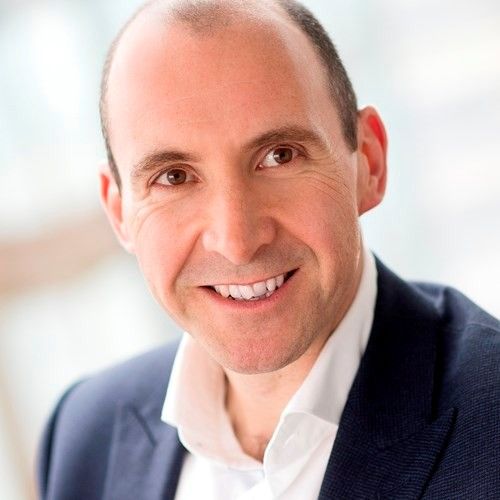
02 · The guest
Andrew Bulloss
Partner, Odgers Berndtson
I've spent the last 14 years or so at Odgers, I wear a couple of hats here; I run our global gaming practice - all the board and leadership roles we handle in igaming, betting and interactive entertainment internationally. I also run the broader entertainment division at Odgers - a team of 20 or so people in London working with clients in media, sport, music and gaming. Last year we handled over 90 senior appointments in 14 countries. I love my job. I meet some amazing people. Its a good reason to get out of bed in the morning. Dad of twins, mid-life crisis mountain biker and road biker.
03 · Inside this episode
Moments worth queuing up
In their own words
“Imposter syndrome shows that you care. If you're not at least a little nervous before a big meeting, do you even care about the outcome?”
“I only do the things that only I can do.”
“Curiosity is a leadership superpower. Great executives look beyond their industry for ideas and innovation.”
“Being authentic and showing empathy, they're the foundation of strong leadership.”
Full transcript
Read the full transcriptHide full transcript
The fact that people want to hear your opinion is really satisfying whenever I'm going to talk to owners or investors or CEOs they're just people at the end of the day and they're paying you to provide them a service they're paying you to provide an opinion yet of course I care about what people think of me it used to be a bit debilitating and now it's not look if people want to work with me they'll work with me if they just don't like me then there's not a lot I can do about it so I met a fantastic CE at the back end of 2023
and I said how do you manage to do everything that you do and they said I only do the things that only I can do there's probably three or four generic traits that we look for in CLE leaders in this sector I think the most underrated one is curiosity being authentic and showing empathy again is a Hallmark of any good Chief exe and seite leader nowadays in this sector one you can ask for feedback from people in your organization but you got to be fairly Brave and fairly courageous to do it because the feedback that you get may not always be positive Welcome to the
I gaming leader podcast where we uncover The Human Side of some of the most inspirational leaders in our industry I'm your host Leo Judkins and as an exi gaming director turned performance coach I've worked with over 200 leaders from companies like Entain, bet365, flutter and many more to help them build the habits to achieve sustainable high performance in these episodes we share exactly what it takes for you to achieve the same so with that being said let's dive in welcome to the igaming leader today I'm interviewing Andrew Bulloss who is a partner at Odgers Berndtson been super excited to speak to you Andrew because like
I said to you beforeand I think you the magician behind the curtain of so many boardrooms that's that's quite an introduction but thank you yeah I love it uh so hey welcome welcome to the welcome to the podcast no thank you for having me delighted to be here let me kind of start with what actually moved you into up the gaming Division and specializing in that specific area yep no problem so yeah I joined Odgers 14 years ago we employ 12200 people globally we've got 66 officers we're we're a big old firm now I originally joined just in our Sports practice so this was the
team that had just hired the CEO of the London Olympics and then moved on to the the COO of man united and we're starting to build out fantastic Sports practice there was four of us and we were based over in Hanover Square in central London i' been doing recruitment for about 50 years before that but certainly at a lower level and I thought Sports a real passion of mine let's let's go and let's go and join the sports practice which is what I did and it it quickly became fairly evident that at the time I would have been in the shadow of the person running
that practice because he was Mr Sport and he'd done all the big trophy assignments and I thought well do I want to do that or do I actually want to plow my own FOH so to speak so we did a couple of appointments actually back in the day for an operator and then I spoke to the team here and said look I think there's a real opportunity here in I gaming and betting this was 2011 so it was just as markets were regulating Innovation was starting to kick off in the sector it was way before things were happening in the states and I did some
due diligence into it and went out and met a bunch of people in the sector and within six months it became fairly clear that I could car aishan betting and gaming I'm not a punter I very rarely gamble I'm more of a video gamer to be honest so that's when I set up the betting and gaming practice back in 2011 and then we bolted on video games onto that and then now we're in entertainment practice we've got 24 People based in London we did 90 assignments last year at senior level in 14 countries so it's been an awesome Journey actually the last 12 14 years
or so I can imagine very uh super impressive how did you find that initially Andrew when you kind of started specializing in this area you thought okay this is maybe a niche that needs my help that needs my serving how did you feel about it initially what was some bigger har moments surprises that you had as you as you delve into it it's probably quite daunting actually coming into a brand new sector particularly one that I didn't know too much about but I kind of immersed myself in it as much as I could I think the advice that I pass on to people here who
are starting out on a journey in recruitment or executive Search is try and meet as many people as possible I think in the first year I met something like 400 450 people and it's just building up what's the information that you can Garner from them that you can learn more about you then create your own opinion meeting loads of people bear in mind that Odgers were just not known at all in the betting and gaming space recruitment had typically been done through Boutique firms through contingent approaches and a big old search firm like ours hadn't really looked at this space before so it was all
quite new I had to try and win people's trust both candidates clients who are ultimately the payers of our fees to help us do the work so fast forward 12 13 years I'd like to think we've had an impact on the sector in some way shape or form and certainly it takes a significant chunk of my time and my life now working in this sector and it's still a sector I think that is growing and delighted that I can play my part in that growth in some way how did you run it initially were you able to run it almost as a startup within the
business or did you have to follow really strict procedures and guidelines and kind of go with what everybody what all the other areas in the business were doing what did that look like no I I I just ran it as as I wanted to really I was given free reign so said look here's here here's your budget here's the numbers that you probably need to hit here's your marketing and Business Development budget you know go out and do it so that the way that you would operate in the betting and I gaming space and we have a shipping practice for example we have an aviation
practice it's there's so different in terms of sectors you have to be quite nuanced about it so no I was given kind of C blanch to decide what I want to do and I wrote a business plan and figured out you know how to grow it and the rest is history as they say that also means that the that will have been vola U ility through not just from from how what the mark how the market operated and how the Market's grown and shrunk but also in terms of competition around you so what are some of the some of the highs and lows that you've
experienced on that journey and how did you navigate them highs were obviously getting the first few mandates through the door and not just winning the mandates but also closing them and actually the satisfaction that that gives we you we're not a kind of bums on seats type recruitment business actually if you think about the level at which we operate board SE Suite sea level minus one the impact of some of these individuals on the organizations that they're leaving the organizations that they're joining and in many cases when we're relocating people Halfway Around The World the impact on their families is pretty significant actually so we've
got to make sure that we take the time to approach these projects appropriately and carefully but the sense of satisfaction when you get it right is great both from my own self-satisfaction the satisfaction of the team that's worked on it but also the hiring organization the individuals that we're putting into these high-profile position so I think getting the first couple of those was great I think another high point is just I go back to to having an opinion on things the fact that people want to hear your opinion I think is really satisfying and that's one of the things that I like to do whenever
I'm going to talk to organizations is particularly if you're talking to owners or investors or CEOs they're just people at the end of the day and they're paying you to provide them a service they're paying you to provide an opinion yet they're not the recruitment expert they're not the search expert we are so they want to hear from us so I'm very happy to give my opinion and do it in a very respectful way so I think they're the two things that the kind of track record and also the voice maybe that I've been given uh Lowe's losing a search to the competition is is
never great you know it happens we can't win them all but I think you've just got of learned from that experience what could we have done differently what can we have done better I was just on a call this morning with a big organization where we one of their preferred executive Search partners and you we didn't get the last one we pitched for and I said what can we improve on what can we do better I got some really valuable feedback that we'll take into the next pitch certainly when I was starting out as well people who didn't see the value in what we do
they just saw recruitment as a bit of a commodity maybe I think that's changed over time in in the as the sector's grown and as these businesses have become much more mature and much more International and and there's definitely a greater demand for a different type of talent now than perhaps they was 10 years ago I would argue so it can be quite exhausting when you are investing time and effort in meeting people and nothing comes out of it but you know thankfully I've been around long enough now that people know who I am which is helpful which which helps okay yeah it makes a
lot of sense so on the Wind side where you're talking about finding your voice and being in the room and people listening to your your opinion how's that gone especially as somebody that as you said in the beginning you didn't have a lot of expertise in the industry how did that make you feel did any sort of impostor syndrome come up in the beginning did you need some validation there what did that look like what did that Journey look like I I think anybody that doesn't suffer from imposter syndrome is probably lying honestly I think everyone probably suffers from it at some point in their
career and even having done this for as long as I have 20 or 25 years now I've been doing recruitments in various shapes or form I still get impostor syndrome going into certain meetings definitely I I think the important thing is about is just being super prepared you know if we're hiring for a CEO of an organization we need to know almost as much about that organization and what makes them take and the competitive landscape in which they operate and what are the challenges ahead for that business in the next 6 12 18 months and what's the culture and what's the values and what do
they have in their current leadership team that needs to be augmented by a new CEO and we've got to know all that information before we go into the into the pitch we've also got to know who are the likely candidates when we're going for that pitch who do who do we think would fit based on our experience we've got to have some benchmarks we've got to have some calibrations we've got to be able to provide our judgment we've got to be able to to to be super informed on on that so I think a lot of that comes through preparation and you know I've spent
a long time in the sector now but I've also got a brilliant team around me that help me with that preparation and just the sheer amounts of data that you can get through various third party sites like pitch book and things is incredible and that helps us to be well informed and well armed going into those I think that's the first thing the second thing as well and maybe this comes a little bit with age I turned 50 in October last year and I was having this conversation with someone in my team last week maybe it's about not caring as much about what people think
of course I care about what people think of me it used to be a bit debilitating and no it's not look if people want to work with me they'll work with me if I can show that I'm a subject matter expert and I can show that I can find them really great people that have a massive impact on their organizations will hire us to find their next CEO or Co whatever it is if they just don't like me then there's not a lot I can do about it so I like to think I'm a pretty likable person and I can build up a reasonable amount
of rapport with people but some people just choose not to work with us and choose to work with other people so it comes with age I think yeah it's almost quite confidence as well right I love the fact that you're saying if anybody's saying that they don't face imposter syndrome for sure they are lying because it's natural it's a natural part of just being wanting to achieve something and not quite knowing whether or not you're going to get that yet and uh I think that's Supernatural the the second thing I love about it is what you're saying about being confident in yourself and and a
lot of that comes with just being authentic right and being you being true to yourself and very often when we try to please someone or we're trying to portray someone that we're not because we think that's going to close the deal or or or what that's when a lot of issues start happening so have you have you always felt like that Andrew is that or is that something did you get burnt by it and therefore readjust or what did that look like just on the Imposter syndrome I think imposter syndrome shows you care a little bit as well it show it shows these meetings have
meaning to you it shows that you care about the outcomes if you're not nervous before going into a meeting then I would argue you don't care as much as you should about it I was never a particular confident teenager I suppose I think what bred the confidence in me was going away traveling I spent nearly two years away from home traveling around India southeast Asia Australia New Zealand and that was awesome because you meet so many amazing people from different walks of life and I think I came back to my kind of small town in Lancashire which is where I grew up a very different
person and realized that I you know I had to move to London so that's kind of what I did really but I think the confidence comes through experience it comes from learning from managers learning from leaders learning from people that you meet in the day job I meet some amazing CEOs I meet some amazing investors I meet some amazing board members and just talking to them about their journey I met a fantastic CE at the back end of 20123 and I said how do you manage to do everything that you do we got an incredible amount of things on your to-do list you've got an
enormous business here to run how do you do it and they said I only do the things that only I can do I immediately went back to my office and I wrote down all the things that I do in the day job and then ticked all the things that only I can do and then last year one I was able to focus on what I'm good at and two I was also able to give a huge amount of responsibility to people in my team of things that I used to do that I felt only I could do but actually give to other people so it's
little things like that just little titbits and things that you get from meetings that have kind of informed how I approach my job and approach kind of what I do day-to-day really what a great example Andrew and and it also goes to show how one simple conversation can really create profound change in the way that you you show up as a leader and and especially in your area you must come into contact with so many pieces of thought leadership where you know that you can apply to your role so what are maybe some of the things that you've picked up over the years from the
people that you've spoken to and appli to your leadership style maybe what's more relevant here is to talk about how the kind of traits of leaders that I see in people that were're hiring for other organizations there's a couple of things here what one if if if I may am I allowed to recommend a couple of books absolutely that kind of starts with Why by Simon cynic is excellent finding meaning in why do we do what we do why do we get out of bed in the morning it's all very well talking about the how why do we do this and I think that's that
was a bit of an eye opener for me when I read it last year and the other one which I read quite a few years ago but still refer to it on a fairly frequent basis is a book called secrets of CEOs and it's a book that's based on interviews with 150 Global Chief execs across multiple Industries it's written by a guy called Steve tappin that's very good and I've actually used that previously to think about some of the interview questions that I ask Chief exx whenever we go through a process so that's very good I think leadership is um it's context specific I think
it depends on the context in and the stage of the journey that a particular organization's on so let's take a chief exec as an example if this person's coming into a turnaround scenario that's very different than if they're coming into a steady state business if they're coming into a turnaround they're going to need to be super decisive they're going to need to act with Pace they're going to need to be able to you know have experience of running a transformation they're going to need to be courageous they're going to need to get people behind a vision really winning hearts and Minds which is very different
I mean some of that aspect You could argue you could use in a steady state business but actually those are the superpowers that that particular individual needs in order to sort out and turn around that business there's probably three or four generic traits that we look for in sea level leaders in this sector which I would argue are things that I probably look for in myself as well when I'm doing the day job I think the most underrated one is curiosity and if I look back four or five years ago that word never made it onto a sea-level job spec or a candidate brief and
what we've seen over the course of the last couple of years certainly is that's making its way slowly and surely up the ladder to become a really important personality trait of leaders not just in this sector but in any sector why I think if you're curious you look both inside of sector and outside of sector for ideas you are interested in other people's opinions and if you're really curious it also means that you listen to their answers so there's a knock on effect of actually making you a really good listener you can be curious about technology you can be curious about products you can be
curious about what happens in different sectors and how could that play into what we're doing in this particular industry curious about different business models I think there's loads around that so for me that is a hugely underrated trait I think the second one is about empathy and authenticity and look the word auth authentic leaders has been thrown around for the last couple of years and particularly during covid when we were putting Chief xx and leaders front and center employees were demanding more of their FaceTime more communication about what was going on and we put a lot of pressure on leaders really to be able to
do that and a lot of them can step up a lot of them find it quite challenging but I think being authentic and showing empathy again is a Hallmark of any good Chief exec and seite leader nowadays in in this sector you've got to be able to show high levels of EQ you've got to be able to show high levels of self-awareness but it goes back to what you said earlier about being yourself you've got to be yourself that helps to breed trust particularly in the people that work in the organization that you're leading and then I think the other one is about collaboration and
having that kind of collaborative mindset what does that mean that means if you're in a leadership role building a culture that is collaborative particular when we're working in hybrid environments that's important a culture that collaborates to drive Innovation and I'm not a lone voice here in saying that there isn't a huge amount of innovation in the industry I think there could be more I definitely think some of it is around what cultures do we have in this industry and and could these cultures be more collaborative in order to drive that kind of innovation expertise that collaborative approach breeds into bringing people from diverse backgrounds and
diverse thinking together in order to get out of that Echo chamber so I think lot for me that they're probably the the three key ones that are I think are generic traits at the moment that I would look for in every single person that I interview really for a seite role one of the things that you mentioned there is that you see that there's a different type of talent required now than there was perhaps 10 years ago you tell me a little bit more about why you think that's changed and why it matters so much there's probably three reasons the industry is much more competitive
than it ever was it's much more International than it ever was so if you think about how businesses and organiz ganizations are winning they're winning on the basis of certainly if you look at it from an operator or even from A supplier perspective they're winning on the basis of having scale in some respects that's not the only reason they're winning but they're winning on the basis of having scale it's a highly competitive market so I think for me it's about impact impact on organizations and how you are creating value within organizations if I go back 8 nine 10 years ago we need a really good
product person to come in and Lead our casino business okay right that's a fairly straightforward there you go we need a really good trading person to come in and run our trading team for our sports book okay it was fairly black and white I think now if you do that type of hire yes you are hiring for a certain amount of skills and experience but then you're also thinking okay well where does our business need to be in two three years are we hiring for the future where's the impact that this person is going to have where's the value that this individual is going to
have on our organization and I'm not sure that 10 years ago I mean there are some exceptions but a large portion of organizations in the sector they weren't looking for Value from people they were just looking for people to do a job and I think also it's a really everchanging World in which we operate changing regulation as I've said highly competitive and then you've take on board all the kind of geopolitical and macroeconomic things that are going on in the world leaders just need to be super agile they just need to be really really responsive it's not as easy to lead now as it was
10 years ago because of everything that's going going on I think I think it also goes to show that before it used to be a lot about the amount of hours that you put in and the expertise that you bring to the hours I think nowadays it's more about what the value that you bring to those hours can still be long hours but it's really the value that you bring to those hours and value of your ideas and a lot of that then comes down to your your mental capacity how energetic you feel uh how adaptable you are how you and how you therefore lead
an organization through change through challenges like how do you how you seen leaders themselves change have you seen people change and how like how have they done that some people find it really difficult to change others are super adaptable so what are some of the things that you've seen work really well and how's that perhaps impacted their future so if I think about what I was looking for in a leader when I was doing interviews 10 years ago compared to what I'm what I'm looking for now I'll go back to the point I'm looking for people that have added value in organizations that they've worked
for previously is that value around people is it value around Vue is it value around other kpis where have they grown something where have they impacted where have they had their impact is there a progression to to what they've done so far in their career can you see that logically can you see that they've been given more accountability can you see that they've been given more responsibility more ownership but I also think here there's a piece around self-awareness and it's amazing how many when you sit in a meeting and you and an interview and you ask a very what I think is a very very
simple question you've got all this experience gained over the last 10 to 15 years what do you want to do with all that what do you want to do next it's a pretty straightforward question right you would assume that everybody has an answer for that not everybody does so I think for me people that do have an answer to that I mean some people have a very long answer for that so I think it that level of self-awareness is really really important what are you really good at what's your superpower and how do you ensure that you play to those strengths to allow yourself to
have impact what's superpower what are your areas of development and what are you doing to work on them that's not to say you're kind of trying to balance your strengths and your weaknesses that's you should always play to your strengths but equally should always be able to upgrade and upscale in in the areas in which you're weak and so for me what's changed there are a lot more people that are starting to think about their own development rather than being told what they need to develop so it shows a level of responsibility around their own personal growth it shows a level of responsibility around where
they want to take your career and there's a couple of things you can do here one you can ask for feedback from people in your organization 360 feedback which is a fairly easy thing to do but you've got to be fairly Brave and fairly courageous to do it because the feedback that you get may not always be positive I would also Advocate asking people that you think may have a negative view of you I think that's always helpful rather than people that are going to look at you through roasting glasses so that's the first thing as for feedback I think the second thing you people
can do is do some sort of psychometric assessment you can do that off your own back there's plenty of tests online that you can do you can do it through a search firm you know plenty of things that you can look at and that helps you to figure out what what are your natural personality traits and one are the ones that perhaps you might need to expend more energy and effort to exhibit so I think that's the second thing you can do I think the third thing you can do and you you know put yourself out of your comfort zone and it's never too early
to start by getting a board seat there's a lot of sea level execs in the industry that hold board seats outside of sector why do I think that's important one because being an exec versus being a non-executive director or a board advisor it's a very different type of job exec you're much more Hands-On you're much more driving the strategy you're much more into the detail into the weeds non-exec is people talk about it being a critical friend you're not expected to offer a solution you're not expected to dive in with the answers you're expected to listen acknowledge and try and help the board and the
exx to find an answer not everybody can adapt to that so I think that's one thing it takes people out of their comfort zone from a learning to step back a little bit think and then react rather than just automatically reacting to every given situation why else do think it's important the learnings that you get sitting around the board table are invaluable when going back into your day job if you're sitting on the board of an online travel business and working in the I gaming sector as an exec undoubtedly there will be things that that online travel business are talking about around the boardroom you
could think oh that's a totally different perspective and way of looking at a particular problem that I've had in the day job I can take that back into the day is it going to work let's see if it works let's try it and I think just being around you know when you sit around the board you're sitting around lawyers Bankers investors management Consultants other wellestablished portfolio non-exec directors board advisers just the wealth of experience that you get sitting around that board table is so so helpful so I would Advocate doing that as soon as possible in your career particularly if you are in a sea
level role now you should be thinking about getting a board seat doesn't have to be in a listed business could be in a private Equity business could be in a venture capital business could be on a charity board it doesn't matter but just having a different perspective looking at things to a different L I think is um super helpful yeah makes a lot of sense hey if you're a VP a director founder or executive and ie gaming and you want to achieve sustainable high performance with sacrificing your personal life or your well-being then the igaming leader Mastermind might be your kind of thing it is
a highly vetted community in which we work together with other igaming leaders in the industry to achieve that sustainable high performance because leadership in igaming can be really lonely and isolating but when you've got the right people around you it can make such a difference to your performance your productivity and your personal life so if that's something you want to know a little bit more about head over to igaming leer.com and apply to join um I've got some questions from our clients in IG gaming leader masterman and one of them actually goes into that from from Finton so preparing as a senior exec for board
level or for non-executive directorship roles how how what would your advice be for if you want to start moving into that direction what are some of the steps that people can take because that can be very overwhelming can feel like a huge first step how how do people go about it so I think there's three things you can do and this is my most overused word superpower but you've got to you've got to figure out what you what are your superpowers what are you really good at if you're going to join a board what are they going to get from you what are you really
really really good at and it may be that you've got a functional skill maybe you're an experienced Chief product officer maybe you've got experience in as an executive taking a business from private to listing through an IPO you have there's something about your experience that makes it a sweet spot okay so you've got to figure that out where's where's the value that you bring to your board yes you need to understand governance and you need to understand how a board works but actually boards now are looking at it as a collective of individuals with different sweet spots and superpowers right so what's yours you've got
to figure that out the second thing I think is figure out what sort of board you want to join what is it about the ownership model that you might be interested in what is it about the commercial model is it about the nature of the business do you want to join a landbased business do you want to join a digital business is it a business that you know does it have a purpose is it a business that's going to be meaningful in 5 years what's the vision and actually you're going to be spending a reasonable amount of time with these board members and these exx
do you actually like them such an underrated question you know like such an important question if you're sitting around the board themselves do I like working with these people can I can I can I get along with them yes you need to be able to there needs to be healthy tension and there needs to be Challenge and there needs to be debate but actually at the end of the day do you like them and then I think the third thing you can do to prepare is think about who's in your network that can help you get your first board seat and it normally takes I
would say some people have been lucky and done it in 6 to n months but it normally takes 12 months to get you first bought and it can take as long as 18 months that's why I say start early but think about the people who are day in day out sitting around the boardrooms who are they other non-exact that you know other advisers that you know investors CEOs and all that Professional Services Community I mentioned lawyers accountants management cons Consultants the people who are sitting around boards day in day out and they're the people that are likely to hear of these advisor or non-exact roles
first before anybody else they would probably be my three bits of advice network is your net worth so and Andrew I've got another question from Luke was asking about your your views on inside the industry versus outside so there's very polarizing opinions yeah in different companies about you know recruiting for experience within the sector versus outside of the sector what do you your views on it and and especially what are your experiences with it from a results point of view so can we almost maybe quantify this if if even possible so I look I think I think there are certain roles where you would always
Advocate having a industry hire because the skill set required is so industry specific so I would say anything in that kind of world of online casino heads trading directors sports book director things like that are very very industry specific when we've done trading director roles previously we've looked at people that have sat in investment Banks we've looked at people that have sat in asset managers who you know who understand algorithmic based Financial Services trading and who often are very passionate punters and when push comes to shove actually the clients of nine times out of 10 they've gone for someone from inside the industry I think
where it becomes easier is in functional roles because there isn't as much requirement for industry expertise if you're a CFO arguably you need to be better at being a CFO than you do needing to understand the sector I would also argue that's the same for roles in people and culture and Human Resources it's the same in legal I think it's also the same in operations so Coos and roles that are overall responsible for the customer and then I also think it's it's the same in when you get into senior commercial roles argu some senior product roles my experience of this is it depends on the
mindset of the organization what often happens is you set off on the on the start of the journey talking with the organization and saying okay well we're looking for a new CEO the benefits of these individuals inside of sector art XYZ let's satisfy our curiosity and go outside and they get really excited about it yeah let's do that let's go and look at people and then you present them with a really interesting short list of people from diverse range of backgrounds and the end going for the industry higher so we can only do so much in presenting the backgrounds of people from outside and it
is a risk hiring people from outside of sector and that is a challenge but I also think it's about the mindset of the organization that they're coming into so we've put people into roles previously from outside of sector and when they've started dealing with colleagues within the business the colleagues have seen them as an outsider so it's all about them kind of messaging I suppose so col colleagues will look at them and go you're from outside the sector what can you bring so they don't give them enough time and it's amazing how organizations you know they spend all this time to it to all intents
and purposes dating candidates right through what can be a 3 to six month process and then day one they suddenly expect them just to figure out how the organization works on day one it's absolutely nuts so if you're if you're going to hire someone from outside the industry I think having a really clear onboarding plan how how do decisions get made who can we introduce you to in the first 2 3 4 weeks that can help you climatize quicker you know what are the really critical things that you need to know to quote another book by Nate Sila how do you figure out the signals
from the noise when you're looking at reporting and when you're looking at kpis so things like that are really really important it's amazing how many organizations don't give that the thought and just expect them to succeed on day one and and you know I believe that that's even more true for internal promotions where people are just kind of have to figure it all out because they already have the connections and and of course you're now expected to operate on a higher level and yeah that's that comes with all sorts of challenges as well so again an onboarding process if that's if you would even use
the same name is is crucial there and I think for that it's it's super important that when you do internal candidates you put them through some form of psychometric assessment so yeah even if they don't get the job what are they taking away from the experience what are they learning about themselves that can help them be a better version of themselves next time so I think um they've got to feel that like getting something out of the process so yeah that would also be my my last question there Andrew so a lot of people listening to the podcast here are typically kind of VP director
executive level right so for people that are ambitious have moved quickly are looking internally still for promotion the funnel is getting getting narrower and narrower there's fewer opportunities right what are some of the some of the best advice you could give someone for making taking that next step either internally or externally so I think the first part is doing a bit of soul searching just thinking about right okay well if I'm going for the next job up what does that next job look like do I have the skills knowledge and experience to do it if you're going for the next job they arguably you've got
the motivation to do it do I have the skills knowledge and experience to do it and if you don't figure out how do you plug those gaps and you can either do by that by yourself off your own back or you can go and have a conversation with whoever your manager or boss is and talk about your what can you do differently so I think that's the first thing the other thing is going back to some of the things that I said earlier in terms of kind of traits and assets that I look for in people that I meet so just going back over your
experience almost doing a little bit of a checklist so you if you're moving into a sea level role there's an expectation that you will have a vision for your business unit or you will have a vision for the organization that you're leading so looking back when was the last time I had a vision for something when did I get people bought into a New Concept when did I get people bought into a new idea how did I win hearts of mind so when was the last time that you identified a way to make a business more efficient so that shows an impact of you're thinking
laterally you're thinking innovatively you're thinking creatively you're also thinking commercially and also think about what type of leader are you there's an argument to say if you're going into a leadership role what do you think your style might be how do you want to be perceived as a leader where might you need the support from others in order for you to be the best leader that you can be so you've got to tell people that you're motivated to do things as well otherwise there's an argument to say that you will go on you yes you could be doing the best job in the world you
could be working really long hours which isn't always the solution by the way you know you could be adding tremendous amounts of value you've got to be a little bit overt about some of these things as well yeah and just making sure that you get noticed yeah and get yeah get over yourself there right and I I think that's such a valuable piece of advice it's it's obvious it's often popularized in personal branding but can feel like such a big thing for people it's just about communicating what you're delivering and the value that you're delivering to the organization I think it's such a get over
yourself and start doing it you I think I think so just just put your hand up just put your hand up and say you want to do more yeah yeah close mouths don't get fed so um it's that easy all right Andrew thank you very much for This brilliant interview it's been super valuable and worri really insightful thank you very much no thank you for inviting me hopefully it's been helpful for all the people that are listening thank you for joining me on the igaming leader podcast if you enjoyed today's episode head over to igaming leer.com for more conversations and insights don't forget to subscribe
to this podcast I'm your host Leo Judkins and hope to see you next week
This episode is sponsored by


The AI platform for marketing automation used by leading iGaming operators. Turn player data into real-time engagement to deliver timely, relevant experiences and strengthen retention and loyalty across every touchpoint.