
01 · Watch the episode
The full conversation
Watch on YouTube ↗ — if the embed above says restricted, it's a block on your network/Google Workspace account, not this page.
Or listen on:SpotifyApple Podcasts
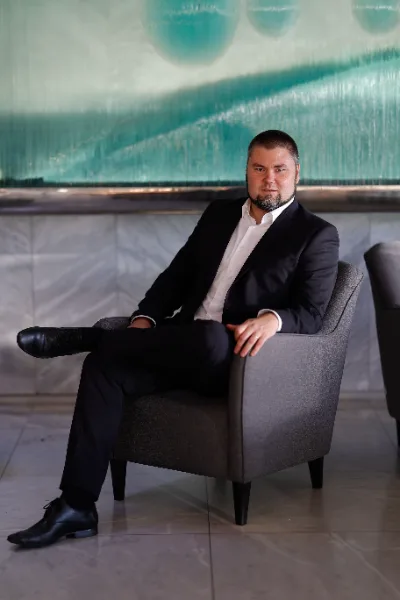
02 · The guest
Antti Koivula
iGaming Lawyer, Legal Gaming Attorneys at Law
Antti Koivula is a leading iGaming lawyer at Legal Gaming Attorneys at Law, specializing in Finnish gambling law, licensing, compliance, and risk management. With LL.B and LL.M degrees and over a decade of experience as a high-stakes professional sports bettor, Antti brings a rare combination of legal expertise and real-world industry insight. Before entering the legal field, he collaborated with elite betting syndicates, ran a successful tipster service, and consistently beat sharp bookmakers. Today, he advises a wide range of iGaming clients—from operators and providers to PSPs and affiliates—and is recognized as a go-to expert on Finland’s gambling regulation.
Follow Antti on LinkedIn →03 · Inside this episode
Moments worth queuing up
In their own words
“Life is too short to waste on being unhappy.”
“I never considered sports betting as something to retire from.”
“I would prefer doing something I really like over getting paid better for something.”
“Knowing yourself, your strengths, weaknesses, that's the good starting point.”
Full transcript
Read the full transcriptHide full transcript
It was something that that was on 24/7. For example, observing when when the market opens on and I had alerting systems and I I might have woke up 2:00 a.m. to check the opening lines and all that. And in the final years towards the end of my career, I ended up seeing 500 games on venue per year. It's not only long hours. I mean, anyone can do long hours and just consume a lot of uh coffee or whatever. But in professional sports better, you actually have to be extremely sharp all the time. You are making huge decisions. You have to process a lot of data
all the time coming from all around you. Being 5 years old to actually concentrate on something for a long period of time. It's something that's rather exceptional in that sense. Even those kids who played chess, they might have just went on doing something else after 10 minutes or or whatever. And I was able to concentrate there for several hours in a row. I basically left alcohol. I left coffee in. I I have made several other similar life choices as well. I've consciously analyzed my uh behavior and behavioral traits that doesn't really sit on doing something that requires extreme focus, extreme attention. >> Welcome to the
I Gaming Leader Podcast, where we uncover the human side of some of the most inspirational leaders in our industry. I'm your host Leo Judkins and as an exi I gaming director turned performance coach I've worked with over 200 leaders from companies like Entain, bet365, Flutter and many more to help them build the habits to achieve sustainable high performance. In these episodes we share exactly what it takes for you to achieve the same. So with that being said let's dive in. Hey everybody, welcome to the I Gaming Leader podcast. Uh I am really excited to be talking to Auntie Quala today. Um like absolute experts on
Finnish law. We've met uh in Malta I believe when we were having dinner and um such an intriguing story auntie. I yeah been really excited to talk to you uh get to know you a little bit better here on the podcast. talk about your challenges and the learnings that you've had from that and yeah share share with everybody what kind of journey you've had. So welcome to the podcast man. >> Thank you very much Leo. Pleasure to be here. >> One of the big things that I loved so much about what you were saying is is how you got you know how your entire journey
from from sports betting into now being a lawyer. Um, can you talk to us a little bit more about kind of how your career started and we'll talk a little bit about pivoting and and where you are now, but I'd love to talk a little bit about the beginning if that's okay for you for how you how you started as a yeah as a sports better. >> Oh well yeah I basically have two careers as mentioned or you already hinted I used to be a professor of sports better. I did that for 12 15 years. That was my main main living hood and from there. Uh
I switched to law but I I I guess we handled that later on. Uh how how I got to sports betting? Uh I used to have this side job for data collecting. I I did that for I got €50 per game and it was good. I I got to see a lot of games and uh I have background in in in football, not high level football, but anyway. I I loved the sport and uh I I I got to see a lot of games and I even got some some money out of it and it was, you know, no-brainer for myself back back then. Um
one day um after the game I met a professional sports better uh Tim Felba who who used to be a uh rather good player as well in in in the highest divisions in in in Finland and he introduced me the fact that it's actually possible to bet on these games and uh it opened a whole whole new world for me. I mean I I had already seen a lot of lower league football and uh I my my knowledge regarding the the teams and uh the the players was rather considerable and I I I just got got to sports betting with with you know small amounts
first but then I just obviously I didn't win every bet but I I kept constantly winning much more than I lost and during the years the um the the winnings increased so notably that I I I left the the data collection job rather rather fast after after gotten after I got into sports betting and I it became my my full-time uh full-time job more or less and uh I I wouldn't consider it only a job it was lifestyle I mean it was something that that was on 24/7 for example observing when when the market opens on on Finnish second division or Finnish first division, it's
that that might have happened in Asia in the middle of a Finnish night and I had alerting systems and I I might have woke up 2:00 a.m. to check the uh opening lines and and and all that. And in the final years, well, not in the final years, but towards the end of my my career, I end up ended up seeing 500 games on venue per year. So, it it it was really and it it it became really hectic. Um during summer season when football is played in Finland, my my working hours were just crazy, just out of rules. I might have worked 100 hours
a week. I I I used to do 16 18 hour Saturdays. I I was absent home every single week night and when it comes to weekends uh you know it it was just crazy and that was actually the the one reason why I decided to switch careers. I I've been a realistic I consider my myself realist in the sense that I never thought sports betting would be something I would do until I retire up until I don't know my 60s or whatever. And uh I studied law meanwhile and uh I didn't I didn't want to graduate when when I was still doing sports betting because
if I would ever practice law and ever applied to a you know law related job it would look weird if I would have let's say five years gap in my CV. So, um, basically my my studies were rather rather far far and I I just didn't didn't graduate. And uh when when I made the decision to switch careers, I I I took I I I graduated and uh I didn't I ever I I didn't ever um actually look for a job, but I was the day I joined Linkadin, I was contacted directly by my current employer and uh we we we got into talking and
uh that that was the beginning of my current career. >> Love it, man. Love it. Auntie, I I uh love what you said there. Like I I don't know how many people actually realize how intense that is. You know, doing a 100 A lot of people say I do a 100 hours, but literally doing 100 hours. But what did life look like at that point? You had a wife. Were your kids already born? They weren't back then, right? So towards the end of my my sports betting career, I I my my older older kid was born and that was basically the reason why I wanted
to switch carriers. I really value value my my uh family life. I want to spend a lot of time with my kids and uh by with with with my sports betting career it wouldn't have been possible because I I would have basically been always absent and as you mentioned it's it's not only long hours. I mean anyone can do long hours and just consume a lot of uh coffee or or whatever and just just to hang hang on there. But in in professional sports better, you actually have to be extremely sharp all the time. You are making huge decisions. You have to process a lot
of data all the time coming from all all around you. And it's I mean on on on Saturdays when the situation was more most tense, I was just you know my my eyes were just going around everywhere. there's this constant flood of of information and it's it it's not like that you you would just sit on your computer and do some typing using some social media meanwhile and and whatever but it was extremely intense usually you know more or less all the time I really had to when going from a game to game I I I even had to schedule when I have time for
a toilet visit so um yeah it's it It it it it was extremely interesting and it's it's not easy to explain explain uh to someone who haven't actually experience the same same uh thing. In general, I I I've always been rather good to focus. I can I can just um close everything else outside of my head no matter what's what's going on around me. I mean, if if it's if it's regarded, you know, I I wouldn't even notice if there's an explosion around me if I'm really on the show. That's that that's the thing. I appreciate the fact that I've been a professional sports bing, it
has value for them per se by by itself. And others who are not that familiar with the concept, they might not, you know, see any any added value. That being said, my sports betting sports betting days have really molded me to the person I'm I'm currently. And and sports betting it's all about focus. It's all about handling huge pressure all the time. It's all about risk assessment and risk benefit ratio. And uh also it's the ability to process small you know tiny sm small smallest information there are or the more precise information and actually uh make a understand how it affects the big picture and
by by that understanding and anticipating what might happen in the future. how the how the game might go on, how how how all the things will play out. And obviously all these all these things are extremely useful on on my current current job as well as a as a legal adviser. I can make the argument that you know that's that's my my greatest benefits. I I'm not about legal jargon or you know law states these law states that obviously it's it's important to understand the framework with which you work but anyway the the law is much more than what is stated on the on the
law book. It's all about practice. It's all about the risk assessment likelihoods and and and all that. It's and that's that's what I'm all about. >> Yeah. Love it. And there's such a direct overlap, right? And and if you're listening to this podcast and like one of the things I was thinking about before actually coming here is how interesting it often is that we don't see these unrelated skills, right? We don't see the you don't see how connected these two things are. You in the lawyer profession now and and sports sports betting, right? But they are so connected. You've got a very unique set of
skills and and they make you highly practical. uh make you very very good at at what you do. When was the when was the first time that you realized that you had such a you know such a such an ability to focus? I mean it was in in the school I never had problems on concentrating and uh I I I was able to basically tone in if if needed and then tone out when when math needed. But it it's and and that's still only, you know, increased by time. And uh it's it's it's it's hard to say. It it was maybe more clear in when
when playing chess. I got to chess when I was uh four or five years old. I I was competing against, you know, adults and and and and other people at the age of five in in official chess competitions or already at that age. And uh what I can say from my own kids um with all all due respect to them and all kids in general but concentration it it's it's not easy for for someone being 5 years old to actually concentrate on something for a long period of time. It's it's something that's that's rather rather exceptional in in in in that sense. And maybe maybe
I started to I think I I I must have already started noticing that on on my really early in early days in in my youth as as most kids were just even those kids who played chess they might have just went on doing something else you know after 10 minutes or or whatever and I was able to concentrate there for for several hours in a row. >> No, it's true, isn't it? Like I I coach rugby I coach rugby for the kids and it's just impossible for them to stand still. So, I completely hear what you're saying. Um, okay. Hey, I love it. Um, what
are some of the things that you've done over time to help you with focus? Tell me a little bit more about what you've done over the years to help you with optimizing your own mental or physical perform, whatever that looks like for you. >> Well, um, even though I'm I'm I'm extremely it it, you know, I have like extremely good ability to focus, I I still understand the need to optimize. And for example in in in my sports betting days in the beginning I used to consume a lot of um caffeine and uh I I was occasional drinker as well and I it was rather
clear that you know having a hangover when doing 16 18 year 16 18 hours Saturdays and extremely focused work that doesn't work out. So I I basically left alcohol. I left coffee in. I I I have made several other similar life choices as well. Now, don't get me wrong. I I still have my bad habits and uh I I I I love unhealthy food and and all that. But anyway, um I've consciously analyzed uh my uh behavior and the the uh behavioral traits that doesn't really fit on on doing something that requires extreme focus, extreme attention. And I've tried to eliminate and and modify eliminate
those trades. I So alcohol and coffee in to those two will make the the the great greatest examples in in that sense. >> Makes sense. Makes sense. Yeah. I can imagine like on a hangover doing two hours of focus on like 30 minutes of focus like it's quite difficult. So um I hear what you're saying. Hey auntie then at some point right you um like you walked away so as um as a professional sports better of course it takes risk assessment um there's uncertainty there's constant analysis but you walked away from that success to then start as a as a law student. Can you take
me back to that moment when you first seriously considered leaving betting behind and like what was happening in your life to make you question everything you've built and how did you feel in that moment because you must have taken that same an analytical approach to that specific decision. as as mentioned I'm realist um I never considered sports betting as uh you know something to retire from and I I was actually studying law meanwhile I was I was doing sports betting and the the law law career has been my uh huge dream and I I I really enjoy the the fact that there's a framework within
which you can you can operate and if you know the framework you will be able to you know hide the border lines and and allow accepted and and so forth, you will be able to use it for for your and and your client's gay and you know when the money gets growing and all went fine, it's it's just that all my other life was basically on pause obviously I was doing lots of you know so-called normal stuff as well but you know my at least when it comes to my professional lives that was that was on hold or other other professional life I guess the
concrete change happened when uh my wife became pregnant to to our first kid. That was that wasn't something unexpected that we had, you know, planned for that in in in in advance and and and so forth. But I I had seen um I had formed rather close community with with few other Finnish sports betterers who who who were specialized in the same leagues that I. So I I was in a constant uh communication with them and I had seen what happened to them when they got family and the hard choices they had to make and uh that made me think about my own situation as
well. I've always been extremely uh family oriented in the in the sense that the the people who are close to me they are really close to me. It was rather clear that that if I would have want to have a normal family life to see my kids grow to actually spend some time with my wife as well not not only to you know her to see me leaving now and now and now. So um it it became obvious that I wouldn't be able to sustain that that wouldn't work out and also at the same time I had been I I had been doing that for
decade decade and a half and uh I I had lost fashion and I've I've been in a I've been lucky enough to be able to always able to do something for living that I'm extremely passionate about. So doing sports betting without passion about football, being skeptical about match fixing cases which I got to see too many for for my life for my liking and throwing uh so that made the decision much more easier. I I had lost passion and uh also the you know the rationale was there. It was rather easy to see that I wouldn't be able I would have to choose between family
lights and you know doing sports betting the way I I had always done it. So in the end it was rather rather easy choice. But it's it's also something the career switch that's something I I'm the most proud of. I mean I had to I was extremely good on what I did. I was one of the best best if not the best uh sports better who was concentrated on the on the Finnish leagues specifically and especially the the the lower leagues. So uh switching from that position to unknown toclarity I I had no uh before I made the made the uh uh before I chose
to pit scarers I I had no idea what's going to happen with me in the future and already at that point I had three-year-old daughter and and wife to to uh provide livelihood and my wife was actually pregnant with our second fit at that side. So that was I mean my mindset has always been that everything will work out as everything has always worked out with me. I I just trusted that everything will work out as everything had always worked out with me. I had I had a humble humble um attitudes towards the law. I I realized that I had zero days of uh experience
from practicing law and being I I was what 36 year olds at that stage. So um I I was hugely handicapped in the field of law against you know some of the older older generation who had you know by by the age of 25 who had already 10 years of of experience or whatever but any it any anyway all all worked out by the best >> and and I bet and we'll get to this story in a bit but I bet your focus and your determination had everything to do with that uh to catch up with the rest. So, we'll talk about that in a
bit, but I want to go back to something that you just said, uh, auntie. Um, there's many people that are stuck in careers, you know, they feel maybe that they've lost passion like exactly what you described, right? They lost passion a little bit. They feel that it's unsustainable. There's stuff that's happened in their personal life that where circumstances have changed, right? Get kids or you get married, maybe you move, I don't know, whatever. There's circumstances that stay changed. and you almost feel like you've got golden handcuffs on, right? You're stuck in a in a career that you're making really good money in. For someone as
analytical as you, right? And somebody that really assesses those risks and thinks about, okay, what's the what the move here? Like, let's turn it around. What would you advise to somebody that is maybe stuck in the same position, maybe not necessarily in sports, but but in that same kind of circumstance? How would you go about analyzing it and then taking action despite that feeling scary? >> Um obviously there is no no solution that would suit all all situation but in general I I consider that you know life is too precious. We only have so many years to spend here and being un unhappy stuck on
a even even if it's a well- paid job well respected job the life is too short. Um I I appreciate the fact that there are I'm I'm fortunate in the sense that everything has always worked out for me. Um even though I I don't believe for luck as you know at all. People people make their own luck even though that might sound a bit of a cliche but any anyway I would I would assess the situation by analyzing how how unhappy or happy I I am in my current job. what the opportunities might be ahead and how how that equation will will work out. I
mean personally I would be I I would uh prefer uh doing something I I really like to do over getting paid better for for for example and uh and and and so forth. There are people in in in in different situation but analyzing your your specific situation is that's what it's all about and money and and and all those matters shouldn't be the key value key value there. Obviously money is important up to a point but after after that point it becomes maybe maybe less important and you know preference over other values could be could be given more. Yeah, because that's the other thing, right? If
you would have continued in that direction if you would have kept on doing the same, what would have been the consequence? How little would you have seen from your kids growing up, for example? Or how how happy would you have been in life? I would be probably divorced. I wouldn't know more than my kids' names. And it might be that I would be even broke. I mean because especially when it comes to sports betting I don't think anyone can do that without actually liking what they do without being passionate about it. It's it's something you leave something you breathe you know on on on the
top level and uh as as I mentioned I had lost that passion and when when you lose passion and you just do sports betting for money that's a equation for disaster. It just doesn't work out. You can you can do that for you know certain period of time. It might be years. It might be some something else but anyway it's not something that you can hold on by for forever. >> I agree. I you know what auntie I think that's actually true in any high pressure career right I think any high pressure career where the hours become too heavy because you've lost a passion that's
a recipe for burner and it might just be happening slowly. I think the problem is that most of us, it's like boiling a frog, right? That most of us to sit there and the water gets warmer and water warmer and warmer and we don't realize that we're being boils. Well, maybe we realize it, but we never jump out because it's so scared to do that, to take that step. Once again, if if if you can control the the water, if if if you can decrease the water temperature or or do something, I don't know, suit yourself or what what whatever do modifications to the situation, then
it might be tolerable in the in the longer run as well. But if nothing is done, it's it's a equation for disasters, you know, you know, the situation will explode on your face sooner or later. And that's that's something I mean I'm I'm extremely analytical if that's not clear already at this point. And I think it would be really valuable for anyone in any position to assess their own happiness, their own behavior and their own life. be their own Sigmoon Freud so to say and and and and you know understand what's going on not not only on your mind but around you and how it
affects you and what can be done what cannot be done what are the options and and all that hey auntie then you moved into so then you moved into law and um you've taken that same analytical approach that same focus that same drive to that profession um I think it also goes to show that you're very very successful there. I I think it also goes to show that the things that you're passionate about are far easier to grow, right? Far easier to put the hours and the effort into uh which is also a key message I believe. But take me through those first moments from
kind of switching out of sports betting and then transition and then going on to LinkedIn for the first time getting that message like what what did all of that look like? what did that period look like and what was your and then we'll talk a little bit about the first day and your first you know like those first moments >> for me personally I'm I'm really on on/off type of guy I'm all in or you know I'm I'm all out it doesn't matter for me and uh when I switched all in in in into law and especially when uh when I when I got that
contact and I I got specialized in in eye gaming law with with which I was uh familiar are already to a certain extent with with the enforcement proceedings and and and and all that. Um I I well basically from day one when when I got my current job or already some time before before that I've been just uh getting information and constantly increasing the the my knowledge and and and what I know about this and that how it's applied to practice and and all that. There's always the law is really fascinating in the sense especially when when it comes to the Finnish Finnish eye gaming
market that in in the past past four years there's been a constant change. I mean there used to be a long long period of stagnation with vos monopoly and not that much happened but well now now they are liberalizing the margin and lots been happening happening as we speak but already few years before that you know there's consulant development on the enforcement front for for example uh in in in in other fronts as well. So it's it's really great in the sense that that there's always something to be learned, always something to be improved and to be understood better. And by achieving higher level of
understanding, it's uh easier to make more accurate predictions of the future to see how things will unfold in in the in the future as well. But if you go if you if you take few steps back, you ask as asked me to provide you how I you know the the feelings before getting getting that contact from Mina in in in in LinkedIn and all that. Well, basically by summer was it 21 I believe I had already made the choice that I will I will switch careers. I had taken my uh master's degree or you know I had graduated from law school in in the beginning
of June and well I made the decision to graduate as switchers early in 21 at latest and uh I I was still doing sports betting but I wasn't uh I was I wasn't devoting that much time to it anymore. I was, so to say, slow slowing down, but it was really hard to just jump off from something you've been doing so many hours per week. So, I I I was taking time out. I was slowing down with sports betting. And after after I made the decision, let's say by summer 21, uh I didn't take any more bets at all. Uh and I was taking time
off. I was uh I was joining the time with my my wife and a daughter back then and you know really really devoting myself for for them and the the family life. I had the intention to start looking for a job maybe yeah by by the end of that year or or something like that I I made the decision not to do anything for at least 6 months. So uh yeah I I was charging my batteries and uh and all that. And when when when when I uh when I made the uh decision to actually start doing something as mentioned I I joined LinkedIn it
it must have been November 21 or something and I I I got contact from my current employer Minar the same same night. So I was literally on LinkedIn less than 12 hours before before I I I I I got that contact and I didn't have any any followers or you know any any connections or or whatever and uh I hadn't sent any any applications either. I I hadn't done anything but we got to talking and uh yeah that's that's where everything started. >> Yeah that's that's so awesome auntie. Uh really fantastic. How how were those first moments for you where you were saying you know
you were obviously a bit older joining profession later than all of them uh most people had graduated you felt a little bit behind with like zero experience how was that for you how how were those first moments for you and how did you react based on that >> um after my graduation I mean I I'm extremely self-aware I I realized that I I I was in a handicapped position with with uh younger graduates. Graduates when it comes to, you know, normal positions when it comes to, you know, doing the the normal stuff people doing the in their 20s in in in in their professional legal
life and and and all that. And I also understood where my strengths are, you know, the the high concentration skills and and and able to a able to see even the tiniest details and form the big picture from there and uh anticipate what's what's to come and and and all that. So um I I well as as mentioned I never got to apply anywhere but I wouldn't have applied in a positions from which uh to which uh my strengths wouldn't have provided me you know maybe not an advantage but the handicap would have been smaller so I didn't obviously um there was lots of question
marks in the air I had no absolutely zero pro plans on you know where I will be work in the future and what I will do but once again life has proved to me again and again that if you really put your mind in something and as I've mentioned I'm really on off type of person and well uh success will follow sooner or later but I I took a extremely humble approach and I I was ready basically to accept anything that will suit my strengths. So not any position per se in any area of law but basically any position in in in a company or
in an area of law that will you know suit my strengths. >> Yeah. So humble but quietly confident as we call it right so so backing yourself pitching for what you know about always a really great way to succeed. So as you joined and as you are now in your current career then auntie what what's the proudest moment you've had what are some of things you're most proud of? >> Well definitely the career change I mean I I don't know what could be more successful I I I really personally appreciate that that much more than I I could ever you know over any single achievements
per se. I was able to come from a successful position of being being a top sports better and making the decision based on family values, based on prioritizing having having time with my my family and I was able to make a total switch to another career and being successful over there. That's that's something I'm I'm extremely proud of and I cannot think of uh be being possible to match that with anyone ei with with anything in the future either. So it's that that will with extremely high likelihood remain the the the highest achievement personally for me, you know, so someone else might consider that something
else is, you know, of more value or whatever, but that's that's what I personally value the most by far. >> Yeah, I love it. Really great success. I always love a good story that works out really well. So thank you very much for sharing that, auntie. Um, your very last question for anyone who's listening and is maybe struggling of backing themselves like you have. You're you're quietly confident in your ability, arrogant about it, you just know it will work because you will make it work out. Someone who's not that confident about what they could do, what what do you feel that they could do to
help them just become a little bit more confident in their ability to back themselves >> in general? I would say that it's it's not worth it overthinking it. It overthinking anything doesn't help and also trying to overachieve it. It often only leads to burnouts or you know depression or or or some something similar and that's that's not helpful. That's that's not good for anyone. Um when it comes to obtaining self-confidence, uh obviously it's important to know yourself first, know your strengths, know your weaknesses as well and uh work it from there. Um I I'm not a psychologist so I I I I I I don't
have the the basic tricks how how self-confidence is created or or so forth but I would say that from my perspective knowing yourself knowing your strengths knowing your weaknesses knowing what you can do and and and so forth that's that's a you know good starting point for for any anyone in that sense. Yeah, completely agree. It's uh sometimes difficult to find, but maybe we have to write down our successes. We recently had a public speaking coach inside our mastermind because most of us get nervous on stage and he talked about it as writing down your successes and building a wall of confidence. And I think
that's so important because those stories help you um perhaps through those moments where you're not as confident as perhaps you want to be. >> Definitely. and practice when when it comes to public speaking and all that. I mean, I'm I'm sure you know all about it as you know in in in in your position, but practice always helps as well. I mean, and and when it comes to analyzing especially something that's too close to you, it it really helps to if if you have to do it by yourself, it's really helps if you are writing something down, positives, negatives, you know, at the strengths, weaknesses
and and all that. And if possible it's it's always great to uh you know get a help of an outsider. It's always easier for an outsider to provide you know the fact that hey you are actually great on this and that you should concentrate on that while it in in in the same person own mind they might not it it might not be possible to see that close to you know you know to see see those characteristics that are too close to you. It becomes too personal and uh it's it's not that easy to analyze yourself. So getting outside outside analyzing in in that sense
that's extremely useful as well. >> Yeah, I always say we're inside of our own bottle and inside of our own bottle we can't read the label. So love that perspective from an outside view. Really important. Auntie, thank you very much for uh coming on the podcast. Really loved having you here and thank you for sharing your story. >> Thank you very much Leo for having me. >> Thank you for joining me on the i Gaming Leader podcast. If you enjoyed today's episode, head over to iamingleer.com for more conversations and insights. Don't forget to subscribe to this podcast. I'm your host, Leo Judkins. I hope to
see you next week. [Music]
This episode is sponsored by


The AI platform for marketing automation used by leading iGaming operators. Turn player data into real-time engagement to deliver timely, relevant experiences and strengthen retention and loyalty across every touchpoint.